
Reviewed · MILAN
Cremona: Visit the Violinmaker School – The Secret of Strad
Cremona’s violin-making school lets you see the craft at close range, not behind a glass case. In one hour, you follow the path from carefully chosen wood to finished instrument and visit the rooms where students practice under master makers. The workshop setting is the real draw.
I like two things here: the tour explains both the violin’s history and the practical work behind its sound, and the private format keeps the visit focused on your questions. Guide Stefano, himself a violin maker, has been especially good at explaining technical points in plain language. The main limitation is the short running time. If you want a full lesson in construction or a long look at student work, one hour may feel brisk.
In This Review
- Key points at a glance
- Why Cremona’s violin school is worth your time
- Arriving at Via Giovanni Maria Platina, 66
- The first lesson: how a violin came to be
- From selected wood to carved instrument
- Varnish, finish, and the final character
- Inside the student workspaces
- What the private format changes
- Languages, timing, and practical planning
- Who will get the most from this visit
- How it fits into a Cremona day
- Should you book the Academia Cremonensis visit?
- FAQ
- Where does the tour begin?
- Where does the activity end?
- How long does the visit last?
- What languages are available?
- Is this a private tour?
- What does the tour explain?
- Can I visit student workspaces?
- Is the guide a violin maker?
- Are souvenirs included?
- Can I cancel the booking?
Key points at a glance
- A working violin school: See the spaces where students learn and refine traditional making techniques.
- Wood matters: Learn how different woods affect the instrument’s appearance and sound.
- A 19th-century setting: The academy occupies a historic building at Via Giovanni Maria Platina, 66.
- A guide with hands-on experience: Stefano may lead the visit, bringing his own background as a violin maker.
- Private for up to five people: The format suits families, couples, and small groups who want room for questions.
- A focused one-hour visit: It fits neatly into a day of sightseeing in Cremona, but the pace is compact.
Why Cremona’s violin school is worth your time
Cremona is closely linked with the great craft of Italian string instruments. This visit helps you understand why. Instead of seeing only completed violins, you learn how a maker turns raw material into an instrument with a precise voice.
That difference matters. A museum can show you the finished object. Here, you see the decisions behind it: the choice of wood, the carving of the body, the joining of the parts, and the finishing work that protects the violin while helping shape its sound.
I find this kind of visit useful even if you cannot tell a Stradivari from a student instrument. The guide connects the artistic side of violin making with the physical work. You come away with a better sense of why two instruments that look similar can sound and feel different.
The tour also gives Cremona’s musical reputation a real place. You are not simply hearing that the city has produced fine instruments. You are standing in an academy where the next generation learns the trade.
Other Milan trips people book alongside this one:
- Milan: Cathedral and Duomo’s Terraces Entrance Ticket
★ 4.6 · 61,054 reviews - From Milan: Como & Bellagio with Private Lake Como Cruise
★ 4.6 · 9,788 reviews - Milan: City Sightseeing Hop-On Hop-Off Bus with Audio Guide
★ 4.0 · 6,256 reviews
Arriving at Via Giovanni Maria Platina, 66
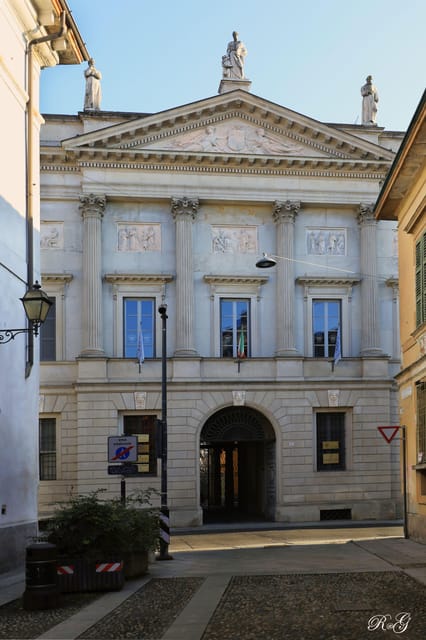
The meeting point is in front of the palace gate at Via Giovanni Maria Platina, 66. That detail is worth noting because the address is specific, but the activity does not begin with transportation or a city walk. You make your own way there and meet the guide at the gate.
The tour begins and ends at the same location. That makes planning easy if you are walking around central Cremona before or after the visit. You do not need to arrange a second pickup point or keep track of a different finish.
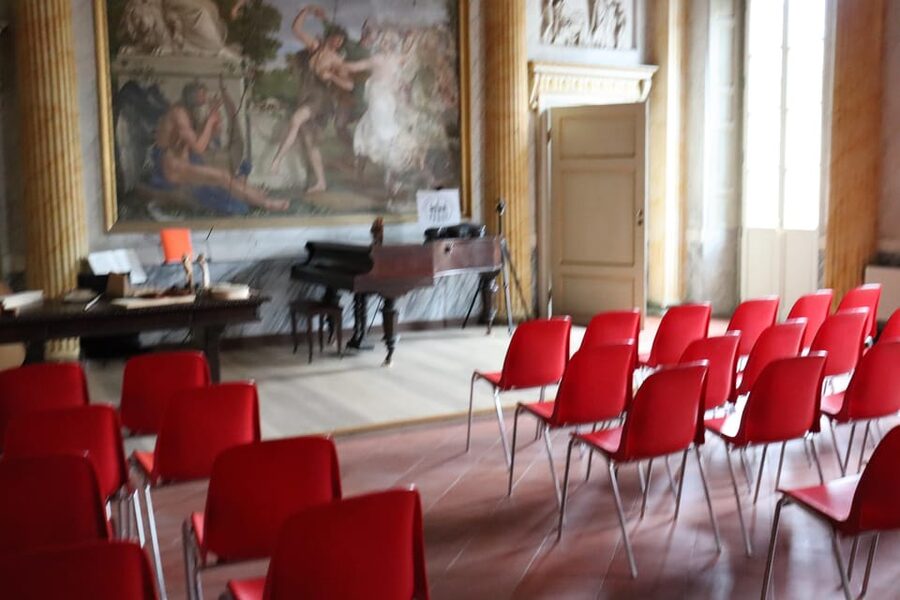
The building itself adds to the experience. The academy is housed in a charming 19th-century structure, so the setting feels connected to the city’s past rather than like a modern classroom dropped into the middle of town.
Give yourself enough time to find the gate before the scheduled start. The available starting times vary, so check the booking calendar when choosing your slot. Since the visit lasts only an hour, arriving late could cost you a noticeable part of the tour.
The first lesson: how a violin came to be
The opening part explains the history of the violin and the development of violin making in Cremona. This gives you the basic frame for everything that follows.
You learn how the instrument evolved and why Cremona became known for exceptional work. Historical figures and changing techniques help explain the city’s place in the craft. The focus is not just on famous names. It is on how knowledge was passed along and refined over time.
I like this approach because the history stays tied to the object in front of you. You are not asked to memorize dates for their own sake. Instead, the guide shows how earlier makers influenced the methods used in the school today.
If you already know a great deal about Italian instruments, this section may cover familiar ground. For most people, though, it provides the context needed to appreciate the workshop visit. Without it, the tools and pieces of wood could seem like a collection of specialized objects. With it, each stage has a purpose.
From selected wood to carved instrument
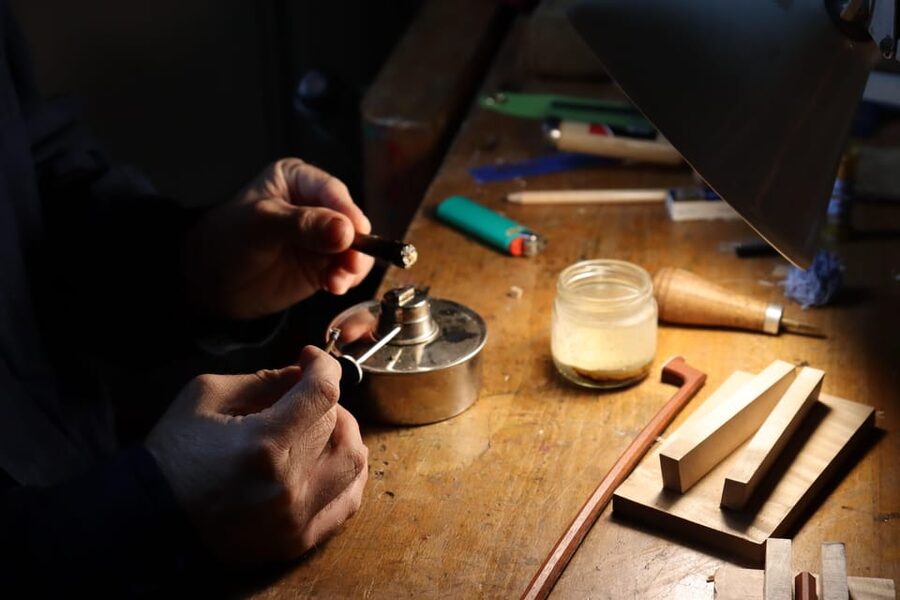
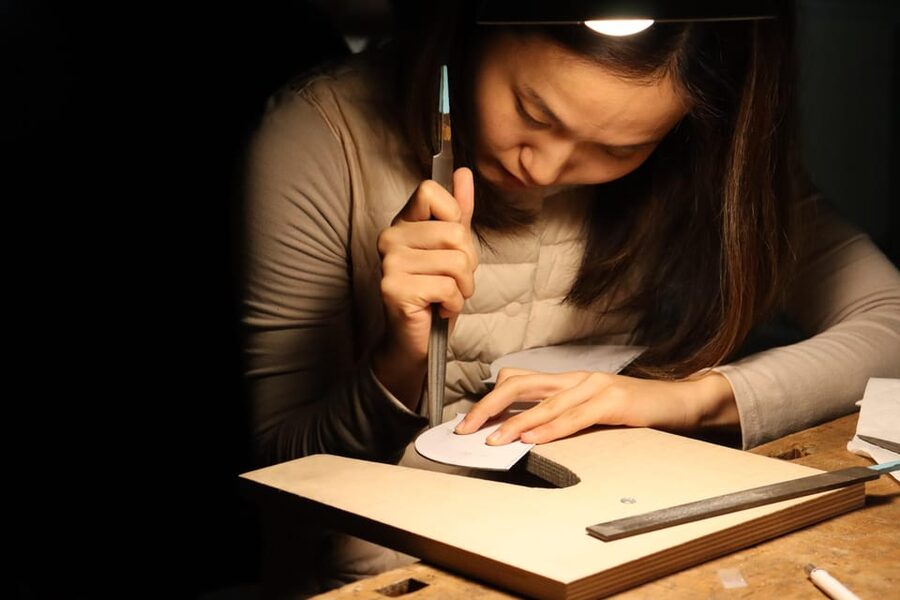
The most practical part of the tour looks at how a violin is built. You learn about selecting and preparing wood, carving the body, assembling the parts, and applying the finish.
The wood is not a minor detail. Different types have different properties, and those properties affect the instrument’s sound, strength, weight, and appearance. The guide explains why makers choose particular woods for different parts and how the material contributes to the final result.
This is where the visit becomes useful for anyone who likes traditional crafts. You see that the work is not simply a matter of following a pattern. The maker has to understand the material and make careful adjustments as the instrument takes shape.
The carving stage also helps explain the violin’s form. The curved body is attractive, but its shape has a working purpose. Small changes in thickness and contour can affect how the instrument responds. The tour introduces these ideas without requiring you to be a musician or a woodworker.
You may not see every stage being performed during your particular visit. The tour takes place in a working school, and the exact activity in the rooms can vary. Still, the guide explains the full process so you can understand what the students are learning.
A different sort of day out, same corner of Lombardy:
- Milan Cathedral: Duomo Terraces Ticket (No Church Access)
★ 4.6 · 6,111 reviews - Milan: Milan Cathedral Direct Entrance – Terrace Excluded
★ 4.5 · 5,782 reviews - Milan: Guided Walking Tour & Last Supper Visit with Ticket
★ 4.7 · 5,409 reviews - Milan: Fast-Track Milan Cathedral and Terraces Guided Tour
★ 4.7 · 5,240 reviews
Varnish, finish, and the final character
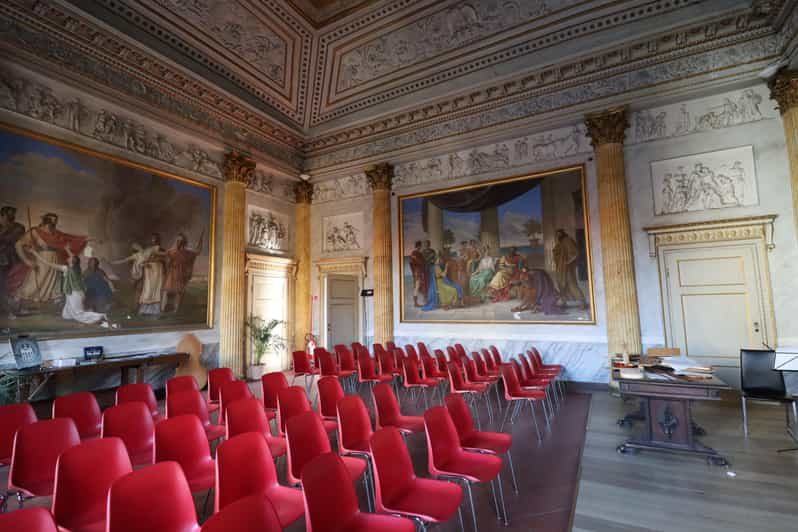
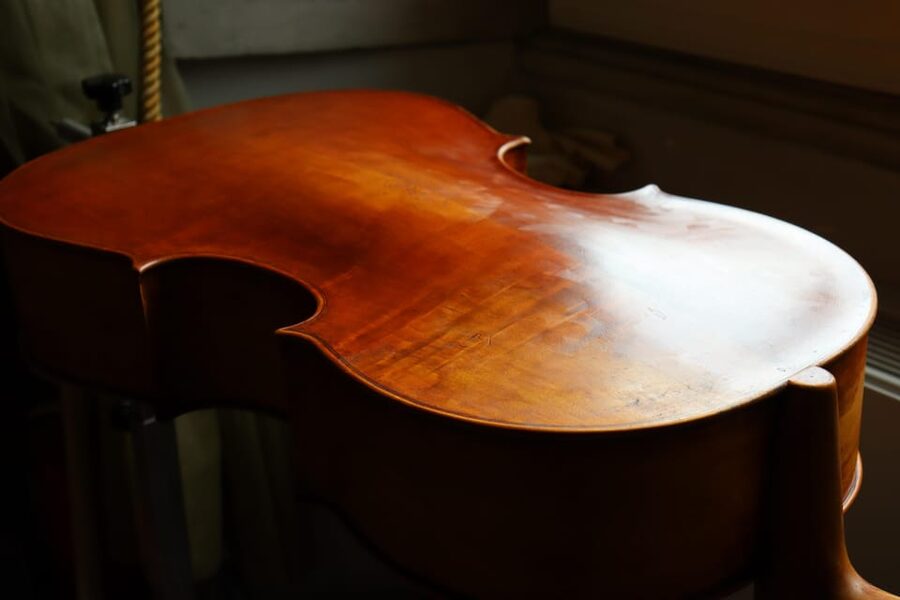
Varnish is another important part of the lesson. It protects the wood, gives the violin its color, and can affect the way the finished instrument works acoustically.
The guide explains the traditional methods used to apply varnish and why Cremonese instruments have such a distinctive appearance. This is a good reminder that the final finish is not just decoration. It is part of the instrument’s identity and performance.
I especially like this stage because it links visual beauty with sound. A violin is both a tool and a piece of craftsmanship. The varnish helps preserve the tool while contributing to the look that makes old Cremonese instruments so recognizable.
Do not expect a hands-on varnishing class. The experience is an explanation and guided visit, not a workshop where you build your own violin. If you want to buy a keepsake, souvenir items, T-shirts, and an academy-logo apron are available separately.
Inside the student workspaces
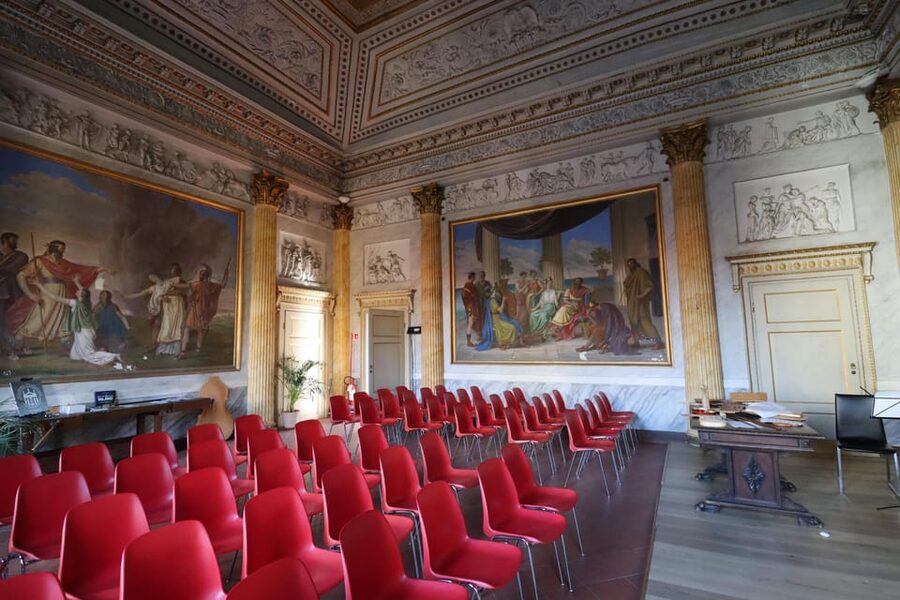
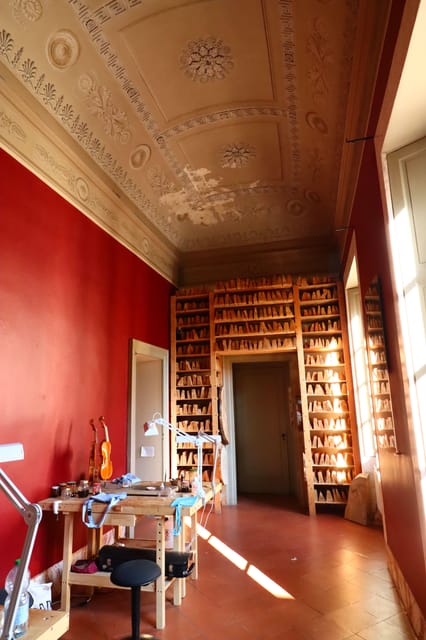
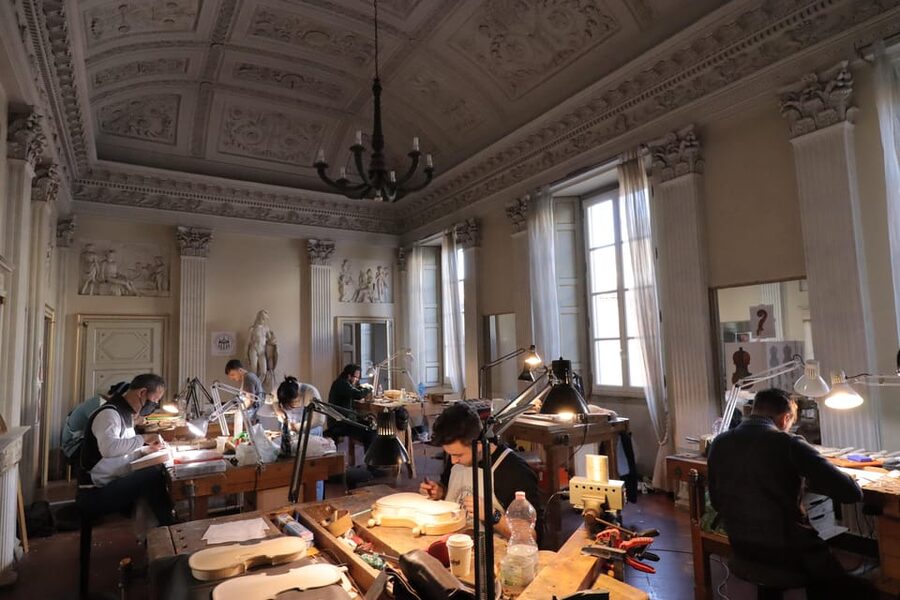
The strongest part for many visitors will be the student workshops. You visit the rooms where students practice and improve their techniques under the guidance of master craftsmen.
This makes the academy feel active. You are seeing a place where the craft is being taught, not simply preserved. The workspaces show the patience and precision required to make an instrument that is light, balanced, and capable of producing a controlled sound.
The rooms also give you a better idea of the training involved. A finished violin can look simple from a distance. In the workshop, the process appears more demanding. Each part requires care, and several stages must come together accurately.
You may be able to interact with students and instructors, depending on the activity taking place during your visit. That possibility is one reason a private group is useful. With fewer people around you, it is easier to ask about tools, materials, and the path from student practice to professional work.
Guide Stefano has been singled out for being charming and able to answer questions because he makes violins himself. If he leads your tour, take advantage of that experience. Ask about the stages that interest you most, especially the parts that are hard to understand from a short explanation.
What the private format changes
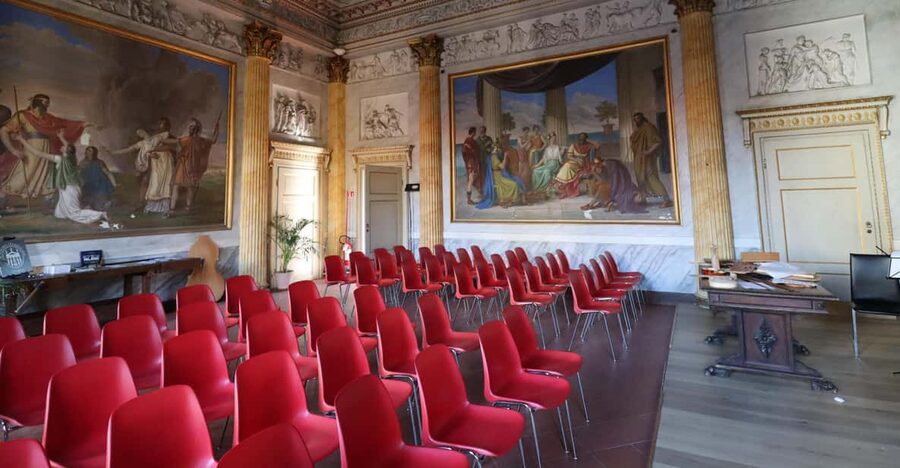
The tour is private for a group of up to five people. The price is $101.84 per group, not per person, so the value improves sharply when you fill the group.
For five people, that works out to about $20.37 per person. For two people, the cost is about $50.92 each. A solo visitor pays the full group rate, so this is best value for a small party rather than an individual booking.
The private format also changes the feel of the visit. You can ask questions without waiting for a large group to move along, and the guide can spend more time on the topics that interest you. A musician might focus on sound and construction, while a woodworker could ask more about carving and materials.
The tradeoff is that a private tour is not the cheapest option for one person. If you are traveling alone, compare the price with other Cremona activities before booking. If you are traveling with family or friends, the group price is easier to justify.
Languages, timing, and practical planning
The tour is offered with a live guide in English or Italian. Select the language that gives you the best chance to ask detailed questions, especially if you are interested in technical vocabulary.
The duration is one hour. That makes it easy to pair with other sights in Cremona, but I would not treat it as a relaxed, half-day experience. The schedule moves from history to construction, varnish, and student workspaces in a compact period.
Starting times depend on availability. Check the date and time before building the rest of your day around it. Since the activity begins and ends at Via Giovanni Maria Platina, 66, you can plan a simple walk before or after without having to coordinate transport.
The price includes a professional guide, taxes, handling charges, and local taxes. Souvenirs, T-shirts, and the academy apron cost extra. Alcohol, drugs, fireworks, and explosive substances are not allowed, though those restrictions should not affect an ordinary visit.
Cancellation is flexible: you can cancel up to 24 hours before the activity for a full refund. You can also reserve and pay later, which helps if your Cremona plans are still shifting.
Who will get the most from this visit
This is a strong choice for anyone interested in music, woodwork, design, or traditional Italian crafts. You do not need to play the violin. The explanations cover the basic story and process, so beginners can follow along.
It is also a good match for a couple or family with one person who is especially interested in violins. The experience has enough history and visual detail to keep a non-specialist involved, while the workshop setting gives enthusiasts something concrete to study.
I would recommend it to visitors who prefer working institutions over displays of finished objects. The student rooms add an important human element. You see learning in progress and get a sense of the discipline behind the instruments.
It may be less suitable if you want a concert, a long demonstration, or the chance to make an instrument yourself. The tour explains the craft and shows the workspaces, but it does not promise a performance or a complete practical class.
How it fits into a Cremona day
Because the visit lasts one hour and returns to its starting point, it works well as one part of a day in Cremona. You can schedule it between other activities and keep your plans flexible with reserve-now, pay-later booking.
The best use of the hour is to stay curious. Look closely at the wood, the shapes, the finishing methods, and the working rooms. Ask the guide to connect what you see with the sound of the completed instrument.
Do not rush away as soon as the formal explanation ends. If students or instructors are available to speak with you, that may be the most personal part of the visit. The precise opportunity depends on what is happening at the academy, but the school environment gives the tour more substance than a simple historical talk.
The experience has received a 4.9 rating from 24 published ratings. The most consistent strengths are clear explanations, a pleasant guide, and access to the student workplace. Those strengths matter because the subject can become technical quickly. A guide who can answer questions in a direct, friendly way makes the hour far more useful.
Should you book the Academia Cremonensis visit?
Book it if you want to understand how a Cremonese violin is made, see a real student workshop, and ask questions in a small private group. It is particularly good value for up to five people, and guide Stefano’s own violin-making background adds practical depth when he is leading the tour.
Think twice if your main goal is hearing a violin played or taking part in construction. Neither is promised. The one-hour schedule also means you get a focused introduction rather than an exhaustive course.
For most visitors interested in Cremona’s musical identity, I would make room for it. The visit turns an abstract reputation into something you can see in wood, tools, varnish, and careful handwork. That is a worthwhile use of an hour, especially when you share the group price.
FAQ
Where does the tour begin?
The tour begins in front of the palace gate at Via Giovanni Maria Platina, 66, in Cremona.
Where does the activity end?
The tour ends back at the same meeting point, Via Giovanni Maria Platina, 66.
How long does the visit last?
The guided visit lasts one hour.
What languages are available?
The live tour guide is available in English or Italian.
Is this a private tour?
Yes. The activity is arranged as a private group visit for up to five people.
What does the tour explain?
You learn about the history of the violin, the wood used to build it, the stages of construction, traditional varnishing methods, and Cremona’s violin-making tradition.
Can I visit student workspaces?
Yes. The tour includes the work areas where students learn and practice violin making under master craftsmen.
Is the guide a violin maker?
Guide Stefano is a violin maker and can answer questions about the craft when he leads the visit. Guide availability depends on the scheduled tour.
Are souvenirs included?
No. Souvenir items, T-shirts, and an academy-logo apron are available to purchase separately.
Can I cancel the booking?
You can cancel up to 24 hours in advance for a full refund. Reserve-now, pay-later booking is also available.
Just added around Milan
- Milan: Food Tour with Pasta, Pizza, Cannoli, and Tiramisu!★ 4.3 · 3 reviews
- Varenna Walking Tour and Cooking Class★ 5.0 · 3 reviews
- 1-Day Personal Fashion Styling Course for Women★ 5.0 · 3 reviews
- Milan: 4-Hour Art and History Private Walking Tour★ 5.0 · 3 reviews
- Private Wine Tasting in Bellagio with Chef Luigi Gandola★ 5.0 · 3 reviews
- Walking Tour in Lake Como with Lierna Cooking Class★ 5.0 · 3 reviews
- Mantova: Private Walking Tour★ 4.3 · 3 reviews
- Wine and Food tasting PRIVATE Guided Tour★ 5.0 · 3 reviews