
Reviewed · CITY TOURS
Milan: 2.5-Hour City Tour by Tram
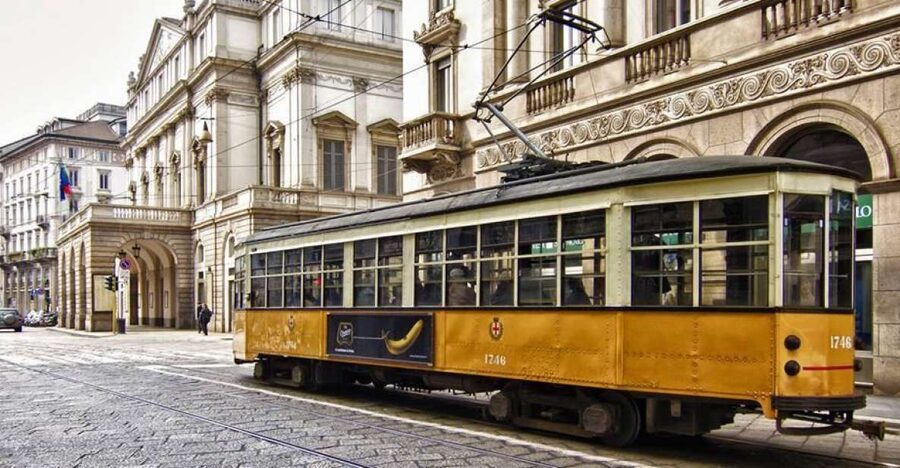
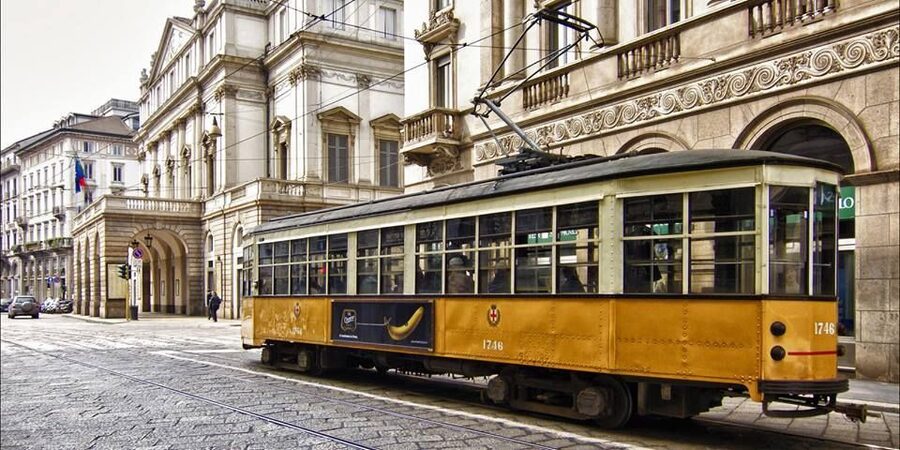
Milan’s best introduction may be a slow ride through its streets on a historic tram from the 1930s. This 2.5-hour tour links big sights with the city’s everyday rhythm, from Piazza Cadorna and Sforza Castle to Brera, the Duomo, and La Scala.
I like the mix of transport and walking, and I like that the guide can connect Milan’s grand monuments with its ducal past and modern shopping streets. Guides such as Martino have been praised for making the history lively and for giving a broad sense of the city. The main drawback is the price: at $164.26 per person, this is costly for a short tour, especially since much of the sightseeing happens outdoors and on foot.
- Historic tram No. 1: Ride through central Milan on an old streetcar, with a slow view of the city rather than a quick coach pass.
- Sforza Castle and the Arch of Peace: Learn about Milan’s powerful dukes, then look across Parco Sempione toward Napoleon’s monumental arch.
- Brera to the Duomo: See an attractive old district, then walk into Milan’s grand central square and covered Galleria.
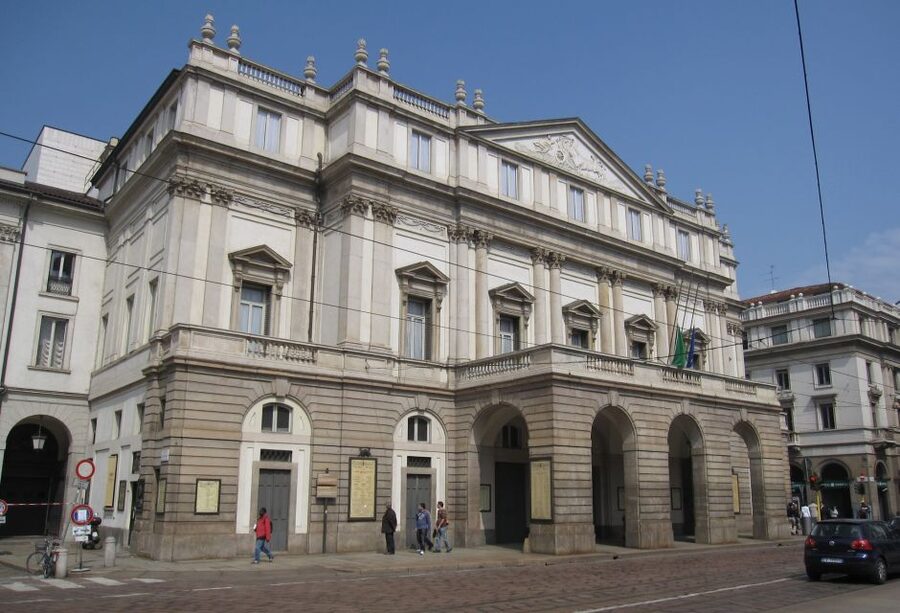
- La Scala and Milanese shopping streets: Visit the city’s famous opera house and travel along one of Milan’s longest commercial streets.
- A useful first-day orientation: The route covers several major sights in one outing, helping you decide where to return later.
- English guidance with headsets for larger groups: Groups of more than seven receive headsets, which helps when traffic and tram noise rise.
In This Review
- Why a Milan tram tour works so well
- Starting beneath Milan’s Needle-and-Thread
- Sforza Castle and the power of Milan’s dukes
- Parco Sempione and Napoleon’s Arch of Peace
- Tram No. 1 through Brera and the city center
- Brera, Cordusio, and Milan’s long shopping streets
- The Duomo, Galleria Vittorio Emanuele II, and La Scala
- The Navigli question and the route’s final stretch
- Is $164.26 a fair price?
- Who will enjoy this tour most?
- Practical tips before you book
- Should you book the Milan tram tour?
- FAQ
- How long does the Milan tram tour last?
- Where does the tour begin?
- Which tram lines are used?
- What sights are included?
- Is the tour only by tram?
- What is included in the price?
Why a Milan tram tour works so well
Milan is easier to understand when you see it in motion. The city can feel like a collection of separate stops on a map: a castle here, an opera house there, a grand cathedral somewhere ahead. The tram ties those places together.
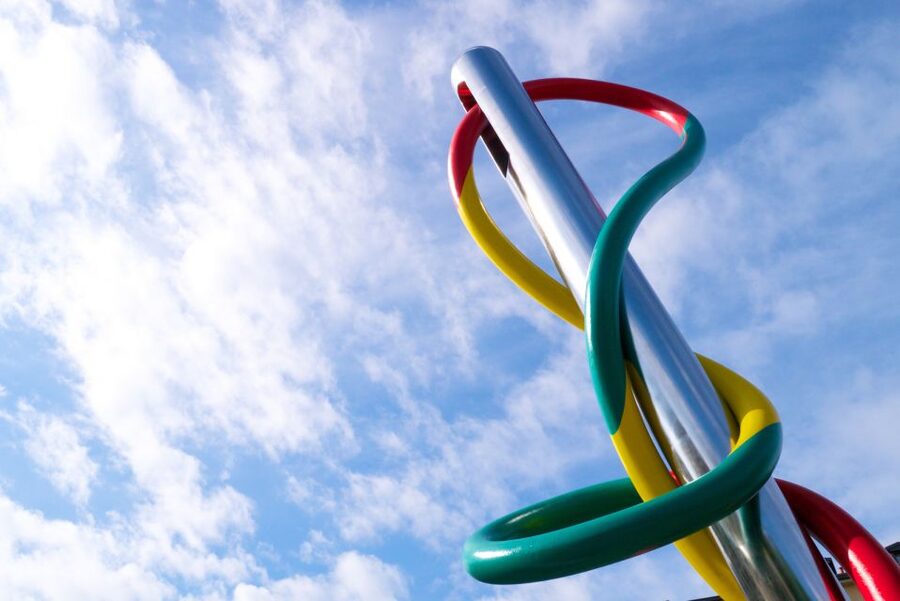
You begin at Piazza Cadorna, beneath the famous Needle-and-Thread sculpture. The monument is a useful meeting point, and the starting area gives the tour an immediate Milanese flavor. You are not being collected at a distant coach terminal. You begin in the center, close to the streets you will soon explore.
The pace is the real attraction. A tram moves slowly enough for you to notice the buildings, shopfronts, and changing districts. You will not get the same detail as on a dedicated walking tour, but you will cover more ground with less effort than walking between every major sight.
The tour also avoids the usual sightseeing trap of seeing only one type of Milan. You get royal and military history at Sforza Castle, elegant urban streets in Brera, religious grandeur at the Duomo, opera culture at La Scala, and the practical pleasure of public transport between them.
Starting beneath Milan’s Needle-and-Thread
The tour starts at Piazza Cadorna, under Milan’s well-known Needle-and-Thread sculpture. Check your selected option carefully for the exact starting time and meeting details, then arrive ready to begin on foot.
From the square, you walk for about 10 minutes toward Sforza Castle. That short walk matters because it eases you into the city rather than placing you straight onto a vehicle. Your guide can begin explaining Milan’s story as you move toward one of its defining monuments.
Wear shoes you can comfortably use for both tram steps and city pavement. The experience is not a ride with occasional photo stops. You will walk to monuments, move through central streets, and take a small walk around the canals if the Navigli portion is included in your route.
A few more Milan trips worth weighing up
- Milan: City Sightseeing Hop-On Hop-Off Bus with Audio Guide
★ 4.0 · 6,256 reviews - Transfer Milan City Centre – Bergamo Airport
★ 4.5 · 975 reviews - Milan: The Milan Pass City Card
★ 4.0 · 655 reviews
Sforza Castle and the power of Milan’s dukes
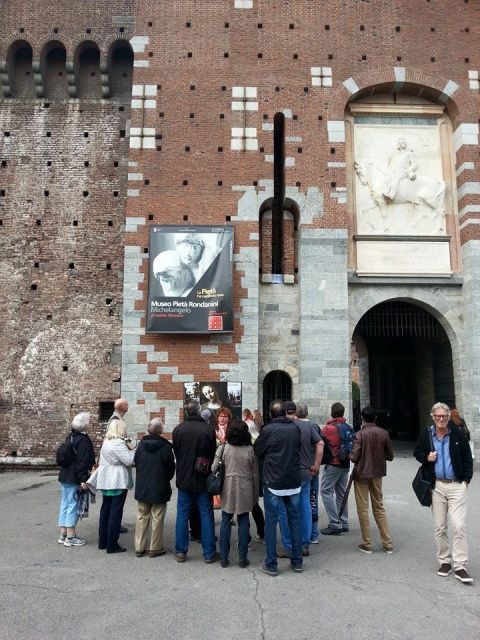
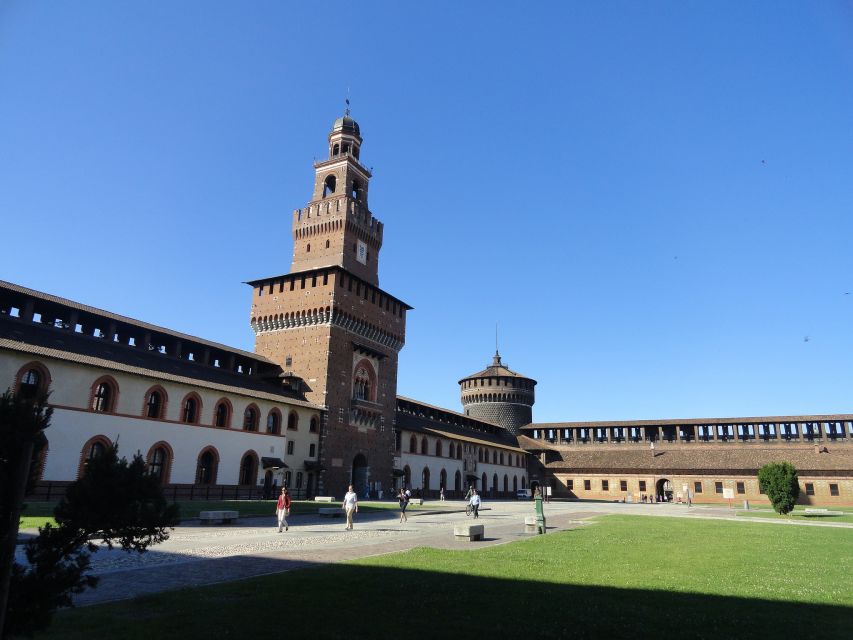
Sforza Castle is the tour’s main historical stop. Its walls and towers introduce Milan as a city shaped by ruling families, military power, and political ambition.
Your guide explains the castle’s role as a ducal residence and one of Europe’s largest citadels. That context gives the building more meaning than a quick exterior photograph. You begin to see why Milan was such a prize for powerful families and why its central position mattered.
The castle sits at the edge of Parco Sempione, so the setting changes quickly from fortress walls to open parkland. This is one of the most pleasant transitions on the tour. You get a sense of the castle’s scale, then space to look beyond it.
The stop is primarily a guided outdoor visit based on the information provided. If you want to explore the castle museums or interior collections at length, you will need separate time and likely a separate ticket. This tour is designed to give you the story and setting, not a full museum visit.
Parco Sempione and Napoleon’s Arch of Peace
From the castle, the route reaches Parco Sempione, Milan’s large central park. The park gives you room to step back from the dense streets and see the relationship between the castle and the Arch of Peace.
The arch was built by Luigi Cagnola at Napoleon’s request. Its name and purpose changed with the political winds, which makes it a useful symbol of Milan’s shifting rulers. Your guide provides the historical explanation while you take in the long view across the park.
I like this section because it adds scale to the tour. The Duomo is dramatic because it rises over a crowded square. The Arch of Peace works differently. It is best understood from a little distance, with the park creating a broad approach.
Do not expect a long break here. The route keeps moving, and the attraction is the combination of view, story, and transition to the tram. If you want quiet park time or detailed architectural study, save that for another visit.
Tram No. 1 through Brera and the city center
The historic tram is the heart of the experience. Line No. 1 carries you across central Milan, and the ride lasts about 40 minutes according to the planned route.
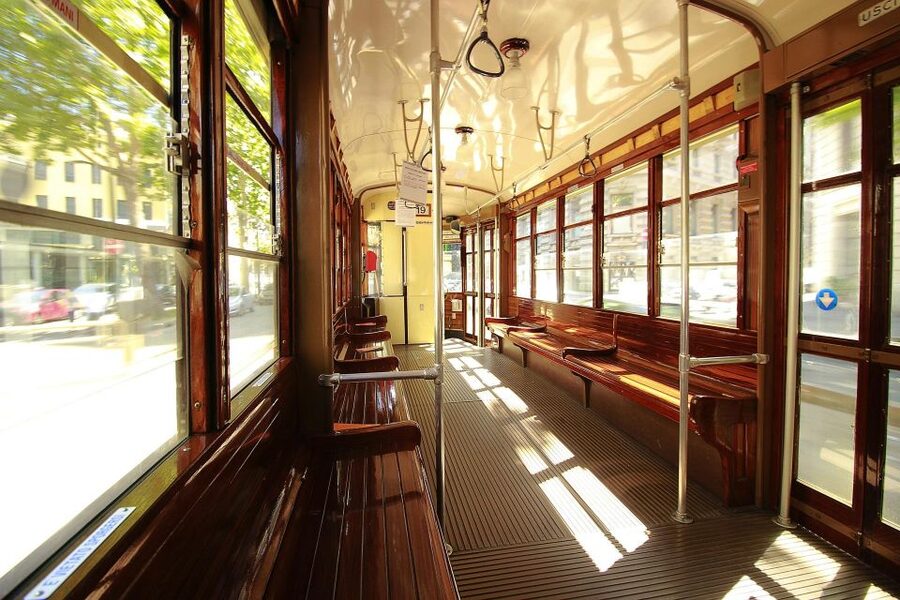
The old streetcars date from the 1930s, giving the ride a character that a modern sightseeing bus cannot match. You sit or stand within the city’s normal transport system while the streets unfold around you. That makes this feel less like a sealed tour vehicle and more like a moving city lesson.
The tram passes through Brera, one of Milan’s most appealing districts. Brera is known for its artistic identity and attractive streets, but the value here is not simply the chance to take a picture. The guide helps place the district within the route from the castle toward the commercial and financial center.
As you continue toward Cordusio, you reach the heart of Milan’s Financial District. The city’s mood changes again. Historic streets, formal commercial buildings, shops, and busy central routes come together in a short stretch.
The tram is also practical. Milan’s center is compact on a map, but walking every link can take time and energy. This ride lets you cover more ground while keeping your eyes open. You may not hear every word clearly in a noisy carriage, so headsets are provided for groups larger than seven.
A different sort of day out, same corner of Lombardy:
- Milan: Cathedral and Duomo’s Terraces Entrance Ticket
★ 4.6 · 61,054 reviews - From Milan: Como & Bellagio with Private Lake Como Cruise
★ 4.6 · 9,788 reviews - Milan Cathedral: Duomo Terraces Ticket (No Church Access)
★ 4.6 · 6,111 reviews - Milan: Milan Cathedral Direct Entrance – Terrace Excluded
★ 4.5 · 5,782 reviews
Brera, Cordusio, and Milan’s long shopping streets
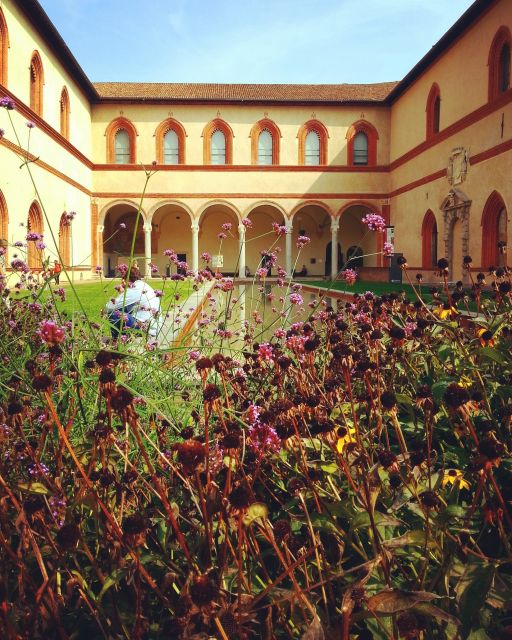
The route includes a slow ride along commercial shopping streets in the city center. This is a good reminder that Milan is not only a city of monuments. It is also a place where people work, shop, commute, and meet for coffee.
You will have time to see the streets from the tram before getting out for the central walking section. The slow pace helps you notice details that disappear from a faster vehicle, though the view can depend on traffic, passengers, and where you are seated.
Brera is likely to appeal most if you enjoy districts with a strong visual identity rather than isolated sights. The guide’s role is important here. One guide who received particularly warm praise was Martino, who was described as offering a broad overview of Milan, interesting stories, and a fun way to approach the city’s past.
The experience uses one English-speaking guide, and the guide’s style can shape the whole outing. The feedback supplied about the tour also highlights a guide who adapted when the group had already visited the canals, taking them to a church instead. That suggests some flexibility, but you should not assume an altered route is guaranteed. Ask your guide at the start if you have already seen part of the planned route.
The Duomo, Galleria Vittorio Emanuele II, and La Scala
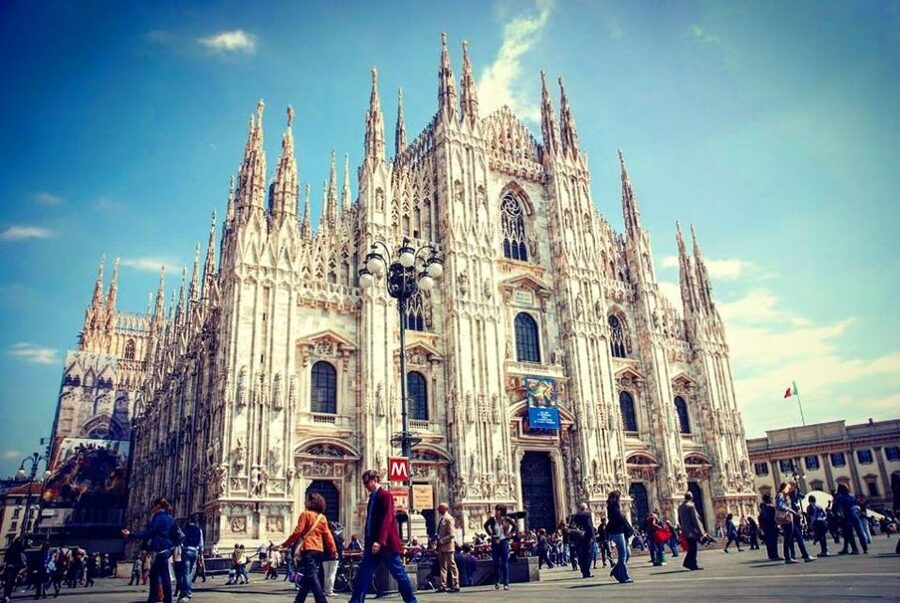
The walking section brings you into Milan’s central showcase. The Duomo is the largest visual moment, with its ornate Gothic exterior filling the square. You receive a guided explanation and sightseeing time, but the tour does not include a separate cathedral interior visit in the stated inclusions.
That distinction matters. If you want to climb to the Duomo rooftop, visit the interior in detail, or spend time with the cathedral museum, plan a separate visit. This tour helps you understand where the cathedral sits in the city and gives you a strong first look.
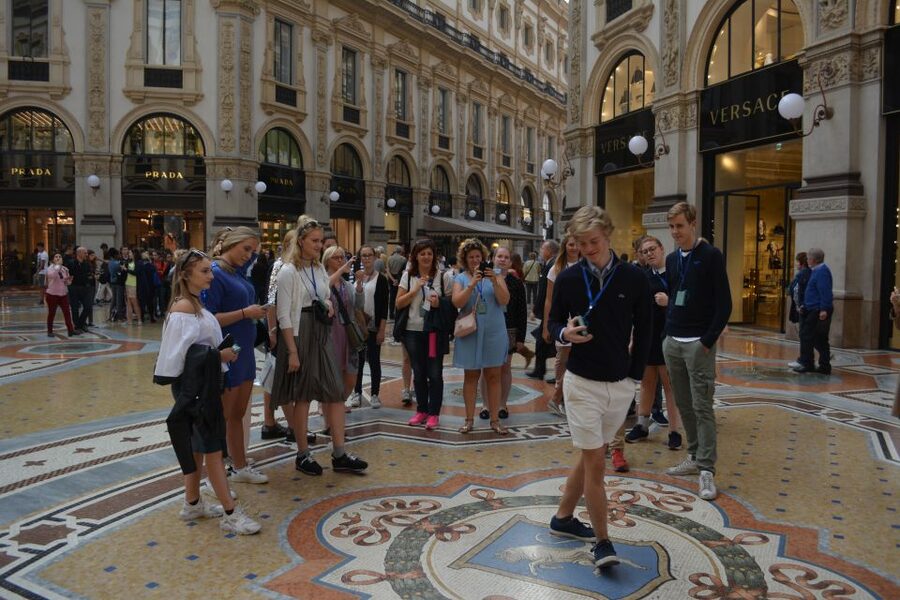
Next comes the Galleria Vittorio Emanuele II, Milan’s covered shopping arcade. Its glass roof and formal design make it more than a convenient passage between streets. It connects the cathedral area with La Scala and shows how Milan turned shopping and public life into grand architecture.
La Scala Opera House is the final major central sight. Even if you are not an opera fan, the building helps explain Milan’s cultural reputation. Your guide gives you the outside context and places the theater within the city center’s compact sequence of major landmarks.
This walking portion is efficient, but it is not leisurely in the sense of lingering over every detail. You move between several important places in a limited time. I would treat it as an orientation walk, then return to the Duomo or La Scala later if one of them catches your interest.
The Navigli question and the route’s final stretch
The tour description also includes a continuation on Tram No. 3 toward the Navigli area, followed by a short walk around the canals. The canals are presented as a good place to finish and enjoy free time for shopping.
At the same time, the stated stop information identifies Teatro alla Scala as the finish, while the meeting details say the activity ends back at the meeting point. Because those details do not line up perfectly, confirm the endpoint for your selected option before booking or at the start of the tour.
If your route includes Navigli, this is a useful change of mood after the formal center. The canal area gives you a more relaxed setting and may be convenient if you want to continue on your own. The supplied route refers to a small canal walk, not a boat ride, so do not book this expecting a canal cruise.
Is $164.26 a fair price?
At $164.26 per person, this tour sits at the expensive end for a 2.5-hour city orientation. You are paying for a private or small-group style experience only if your chosen option says so, and the supplied information does not confirm the group size. The stated inclusions are an English-speaking guide, tram tickets, and headsets for groups of more than seven.
The value depends on how much you want help making sense of Milan. If you are visiting for the first time and prefer a guide to connect the castle, park, tram route, Brera, Duomo, Galleria, and La Scala, the price may feel worthwhile. You cover a lot in a short period and avoid figuring out the tram system yourself.
The value is weaker if you mainly want transport or independent sightseeing. The tram ticket itself is not the expensive part, and the tour does not list cathedral entry, La Scala entry, museum admission, food, or a canal cruise. You are buying interpretation, route planning, and an efficient overview.
I would compare the cost with your schedule. If you have only a day in Milan, this can help you get oriented quickly. If you have several days, you may prefer separate visits and a standard walking tour at a lower price.
Who will enjoy this tour most?
I would choose this experience for you if you like a guide who tells stories while the city passes by. It suits first-time visitors who want to see several major sights without committing to a full day of walking.
It also works well for visitors who enjoy public transport and want something more local in feel than a standard sightseeing bus. The historic tram is not just a way to get from point to point. It is part of the experience.
You should be comfortable walking between stops. The instructions specifically recommend appropriate footwear, and that advice is worth taking seriously. The tour combines a 10-minute walk to Sforza Castle, sightseeing on foot, central streets, and possibly a canal walk.
You may want a different tour if your priority is interior access. The stated route focuses on guided sightseeing at the castle, cathedral, and opera house, but the inclusions do not list admission to their interiors.
Practical tips before you book
Meet under the Needle-and-Thread sculpture at Piazza Cadorna, and check availability for the starting time that suits you. Bring a camera, since the route includes the castle, Arch of Peace, Brera streets, Duomo, Galleria, La Scala, and possibly Navigli.
The tour is offered in English. Groups of more than seven receive headsets, which should make it easier to follow the guide during the tram ride and in busy streets.
Build a little flexibility into your day. The published duration is 2.5 hours, but trams operate in city traffic and the tour includes walking. If you have a timed museum, train, or restaurant reservation immediately afterward, leave a cushion.
The cancellation terms are traveler-friendly: you can cancel up to 24 hours in advance for a full refund, and you can reserve now and pay later. Those policies do not change the tour’s price, but they can help if your Milan plans are still shifting.
Should you book the Milan tram tour?
Book it if you want a fast, guided introduction to Milan that combines a 1930s tram ride with the city’s essential central sights. The strongest reasons are the unusual transport, the castle and park setting, and the chance to hear a guide such as Martino connect Milan’s major places with memorable stories.
Skip it if you want extensive time inside the Duomo, museums, or La Scala, or if $164.26 feels too steep for a 2.5-hour overview. I would also confirm the final stop, since the route information refers both to La Scala and to Navigli or the original meeting point.
For a first day in Milan, this is a sensible orientation with personality. For a return visit, it works best if you value the historic tram and want a guided look at districts you have not yet explored.
FAQ
How long does the Milan tram tour last?
The tour lasts 2.5 hours. Starting times depend on availability when you book.
Where does the tour begin?
Meet the English-speaking guide in Piazza Cadorna, under the Needle-and-Thread sculpture.
Which tram lines are used?
The route uses historic Tram No. 1 through the center and Tram No. 3 for the continuation toward the Navigli area.
What sights are included?
The route includes Piazza Cadorna, Sforza Castle, Parco Sempione, the Arch of Peace views, Brera, the Duomo, Galleria Vittorio Emanuele II, and La Scala. The description also includes a small walk around the Navigli canals.
Is the tour only by tram?
No. The tour combines tram travel with walking. There is about a 10-minute walk to Sforza Castle, plus walking during the central sightseeing stops.
What is included in the price?
The price includes an English-speaking guide, the tram ticket, and headsets for groups of more than seven people. Entrance tickets to attractions are not listed as included.
Just added around Milan
- Milan: Food Tour with Pasta, Pizza, Cannoli, and Tiramisu!★ 4.3 · 3 reviews
- Varenna Walking Tour and Cooking Class★ 5.0 · 3 reviews
- 1-Day Personal Fashion Styling Course for Women★ 5.0 · 3 reviews
- Milan: 4-Hour Art and History Private Walking Tour★ 5.0 · 3 reviews
- Private Wine Tasting in Bellagio with Chef Luigi Gandola★ 5.0 · 3 reviews
- Walking Tour in Lake Como with Lierna Cooking Class★ 5.0 · 3 reviews
- Mantova: Private Walking Tour★ 4.3 · 3 reviews
- Wine and Food tasting PRIVATE Guided Tour★ 5.0 · 3 reviews
City Tours, compared.
City Sightseeing Hop-On Hop-Off Bus with Audio Guide
Read our review →
Guided Duomo, Last Supper and City Centre Tour
Read our review →
Venice Day Trip from Milan with Guided City Tour
Read our review →
Best of City Walking Tour with Last Supper Tickets
Read our review →
eBike City Tour Guided by an iPad and a Tour Leader
Read our review →
Browse the lists this tour appears in