
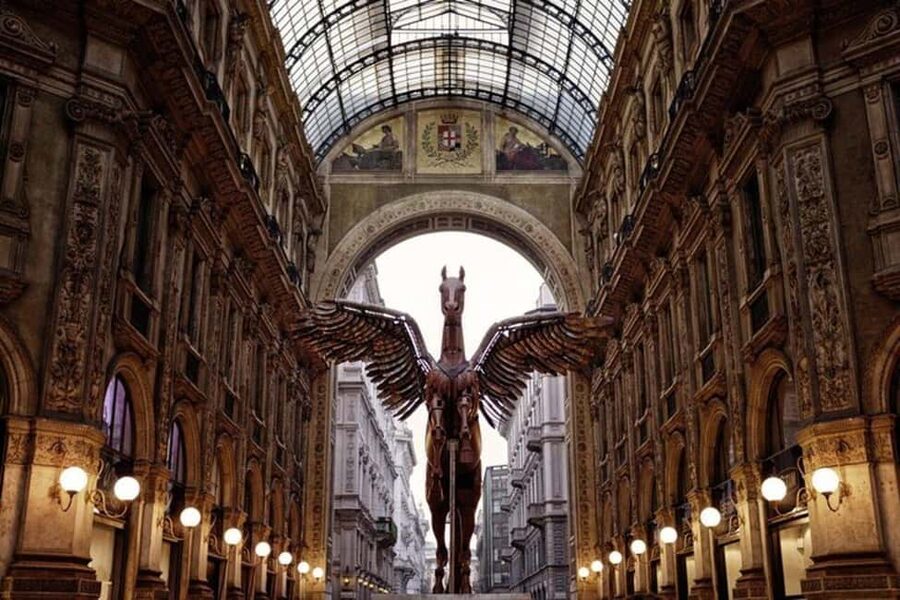
Reviewed · WALKING TOURS
Milan : Highlights & Hidden gems Private Walking Tour
Milan’s best introduction may be a walk that links its grandest sights with quieter corners. This private three-hour route begins near Piazza dei Mercanti and takes you from the Duomo and Galleria Vittorio Emanuele II to Brera, San Simpliciano, and Sforza Castle.
I like the private format, since you can shape the conversation around architecture, fashion, cafés, industry, or art. I also like the mix of famous sights and less obvious stops, especially the old church of San Simpliciano and Brera’s local feel. The main drawback is time: three hours passes quickly, and the tour does not include food, drinks, or entry tickets for paid visits.
In This Review
- Key points at a glance
- A smart first walk through Milan
- Starting at Piazza dei Mercanti
- Piazza del Duomo and the cathedral exterior
- Inside the Galleria Vittorio Emanuele II
- Brera, where the pace changes
- San Simpliciano and Milan’s older story
- Sforza Castle and its main courtyards
- What the private format really adds
- Stories about Milan, not just buildings
- Walking, timing, and physical comfort
- What is included, and what is not
- Who should book this Milan walk?
- Should you book it?
- FAQ
- Where does the tour start?
- Where does the tour finish?
- How long does the tour last?
- Is this a private tour?
- Which Milan sights are included?
- Does the tour enter the Duomo?
- Does the tour include Sforza Castle admission?
- Are food and drinks included?
- Which languages are available?
- Is the tour wheelchair accessible?
Key points at a glance
- A private route through central Milan: You walk only with your own group and guide, with room to adjust the focus.
- Five varied stops in three hours: The route combines the Duomo, Galleria, Brera, San Simpliciano, and Sforza Castle.
- Outside views and courtyards: The plan emphasizes the Duomo from outside and the main courtyards of Sforza Castle.
- Useful city advice: Your guide can suggest cafés, churches, squares, and other things to do after the walk.
- Several language choices: Tours are offered in English, French, Spanish, and Italian.
- A good first-day orientation: The central route helps you understand how Milan’s major sights fit together.
A smart first walk through Milan
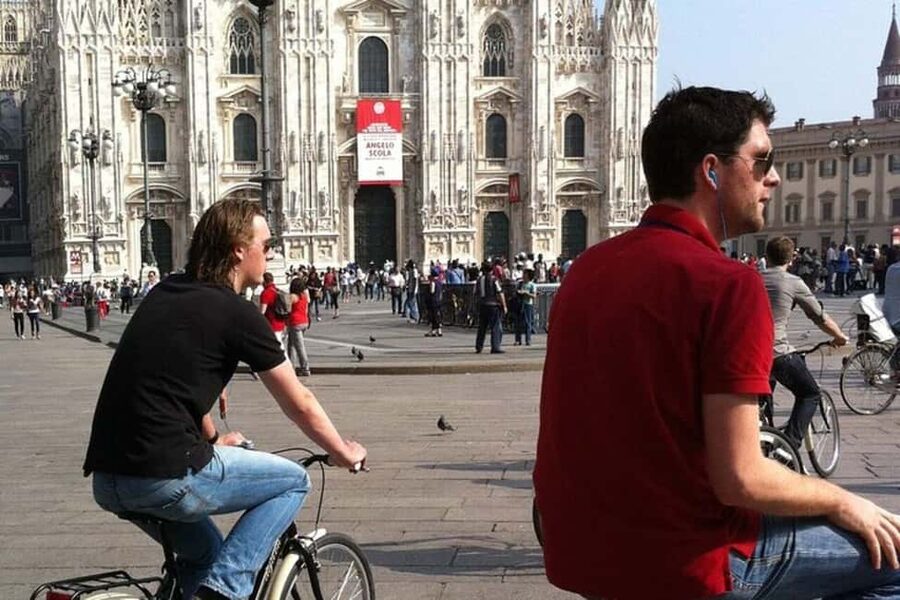
This is not simply a checklist of Milan landmarks. The route gives you a broad introduction to the city, with architecture, church history, shopping arcades, art, and daily life folded into one walk.
That variety matters. Milan can feel spread across several different identities. The Duomo presents the city as grand and ceremonial. The Galleria brings in commerce and style. Brera feels more artistic and local, while Sforza Castle points to Milan’s political and military past.
I would consider this tour for a first full day in Milan, or for a short stay when you want a strong overview without spending hours inside museums. It can also work well near the start of a longer visit because your guide can help you decide what deserves a return visit.
The price is $77 per person, which is fair for a private three-hour walk if you are traveling with family or friends and value personal attention. A solo visitor pays more per person in practical terms, while a small group can get good value from the exclusive format.
A few more Milan trips worth weighing up
- Milan: Guided Walking Tour & Last Supper Visit with Ticket
★ 4.7 · 5,409 reviews - Milan: Guided Walking Tour with Last Supper Skip-the-Line
★ 4.7 · 1,143 reviews - Milan: Guided Street Food Walking Tour with Food Tasting
★ 4.8 · 654 reviews
Starting at Piazza dei Mercanti
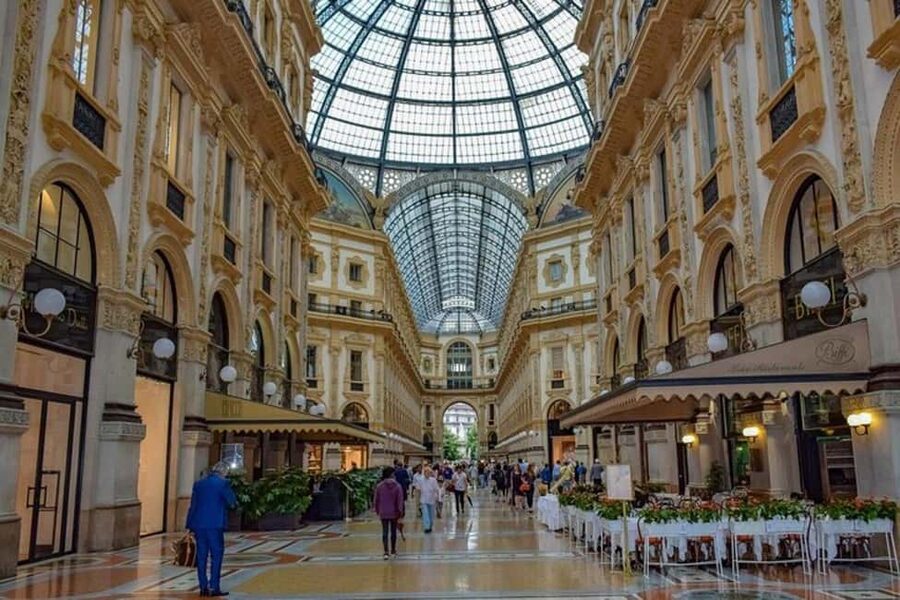
The meeting point is Piazza dei Mercanti, at number 1, close to the Duomo area. This is a useful starting place because you are already near Milan’s historic center, yet the square itself offers a calmer opening than beginning directly in front of the cathedral.
Your guide can set the scene here before leading you toward the Duomo. That first explanation matters because Milan’s center is easy to photograph but harder to understand at a glance. A local guide can connect the buildings, streets, and squares instead of leaving you with a series of disconnected views.
The route returns to Piazza dei Mercanti at the end. That makes the walk easy to place within your day, especially if you want to continue shopping, visit the Duomo area, or stop for lunch afterward.
Piazza del Duomo and the cathedral exterior
The Duomo is Milan’s great visual anchor. The tour gives you a guided look at the cathedral from outside, with an explanation of its importance to the city and its architectural character.
You should be clear about what is included: the listed route focuses on the exterior, not a guaranteed interior visit or rooftop access. If you want to go inside the cathedral or climb to the terraces, ask your guide about tickets and arrangements. The tour provider offers help booking tickets for desired visits, but admission is not listed as included.
That distinction can save you disappointment. The outside view alone is impressive, but the Duomo area is also crowded and busy. A guide can help you focus on the building rather than simply taking the standard front-facing photograph.
This stop is especially useful if you want context about Milan’s place in Italian art and city life. The guide can explain why the cathedral is more than a religious building, and how it functions as the city’s main meeting point.
Inside the Galleria Vittorio Emanuele II
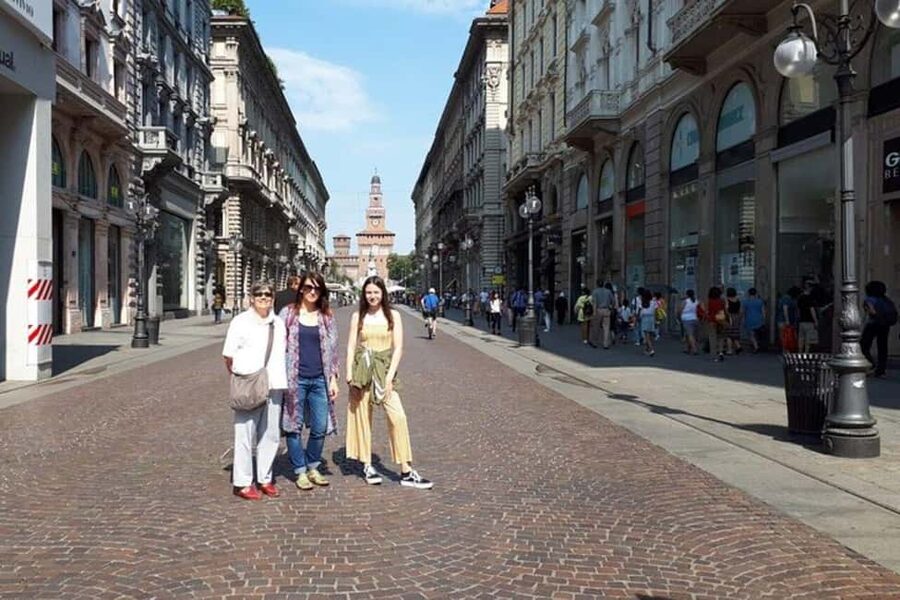
From the Duomo, you continue into the Galleria Vittorio Emanuele II, the grand covered shopping arcade beside the cathedral. Here, the tour becomes a lesson in Milanese style, commerce, and architecture.
The Galleria is known for its elegant design and historic role in city life. Your guide walks you through the arcade and explains its past while pointing out the details that are easy to miss when you are busy looking at shop windows.
I like this stop because it links Milan’s past to its present without forcing a museum visit. The city’s fashion reputation is not separate from its architecture or history. In the Galleria, those subjects meet under one roof.
This is also a practical place to ask questions about shopping areas and city customs. The guide can offer advice on other places to visit after the tour, though specific recommendations will depend on your interests.
A different sort of day out, same corner of Lombardy:
- Milan: Cathedral and Duomo’s Terraces Entrance Ticket
★ 4.6 · 61,054 reviews - From Milan: Como & Bellagio with Private Lake Como Cruise
★ 4.6 · 9,788 reviews - Milan: City Sightseeing Hop-On Hop-Off Bus with Audio Guide
★ 4.0 · 6,256 reviews - Milan Cathedral: Duomo Terraces Ticket (No Church Access)
★ 4.6 · 6,111 reviews
Brera, where the pace changes
The move into Brera gives the walk a useful change of mood. Instead of remaining on the city’s most famous central axis, you enter a district known for its artistic character and more local atmosphere.
The tour does not treat Brera as a quick photo stop. Your guide leads you through the area and explains what makes it different from the Duomo quarter. This is where the private format becomes most useful because you can ask about art, cafés, streets, or daily life without being tied to a large group’s agenda.
Brera is also a good place to slow down. One of the strongest practical suggestions from the tour is to take your time rather than rush from one landmark to the next. That advice fits Brera particularly well, since its appeal comes from the feel of the district as much as from any single building.
If you are mainly interested in major interiors, this part may feel less structured than a museum tour. If you want to see how Milan works beyond its grand monuments, Brera adds needed balance.
San Simpliciano and Milan’s older story
Basilica di San Simpliciano is one of the more distinctive stops on the route. It is described as Milan’s most important church, with centuries of history behind it, and it gives the walk a stronger religious and historical dimension.
The basilica helps you see Milan beyond the polished center. Its age and church setting offer a contrast to the commercial elegance of the Galleria and the monumental scale of the Duomo.
The information provided does not promise a full interior visit, so you should confirm what access is available on your date. Even if the stop is primarily an exterior or general guided visit, it gives your guide a chance to explain the city’s long development through its religious buildings.
I find this kind of stop valuable because it breaks up the famous sights. You are not simply moving between places that appear in every guidebook. You are also seeing a church that carries a different sense of time and place.
Sforza Castle and its main courtyards
The final major stop is Castello Sforzesco, one of Milan’s signature landmarks. The walk takes you through its main courtyards, giving you a look at the castle complex without promising entry to every museum or interior space.
Sforza Castle is an ideal ending because it is large, imposing, and tied to Milan’s political past. Its courtyards give you room to understand the scale of the complex after the tighter streets around the Duomo and Brera.
Again, check the difference between seeing the castle and entering its museums. Paid admissions are not included in the tour price. Your guide can help arrange tickets for visits you want, but you should treat those as additional plans and costs.
The castle is also a useful place to ask what to do next. Depending on your interests, you might want to return for a museum visit, continue exploring the surrounding area, or head back toward the center.
What the private format really adds
A private tour is most useful when you know what you want from Milan but do not yet know how to find it. You can ask for more architecture, more local history, more fashion, or more practical advice about the rest of your stay.
The guide can also adjust the balance between major sights and smaller stops. The route includes all five main areas, but the amount of time spent at each one may change according to your questions and priorities.
Guide assignments can vary. The named guides connected with this experience include Davide, David, and Rosaria. If you have a strong language preference or hope to work with a particular guide, ask before booking rather than assuming a specific person will lead your walk.
The quality of communication may also depend on the guide and language match. English, French, Spanish, and Italian are available. French-language feedback has been very positive overall, with strong praise for David and Rosaria, though one guest found it difficult to get questions understood and answered clearly. That is a fair reminder to state your language needs and interests plainly at the start.
Stories about Milan, not just buildings
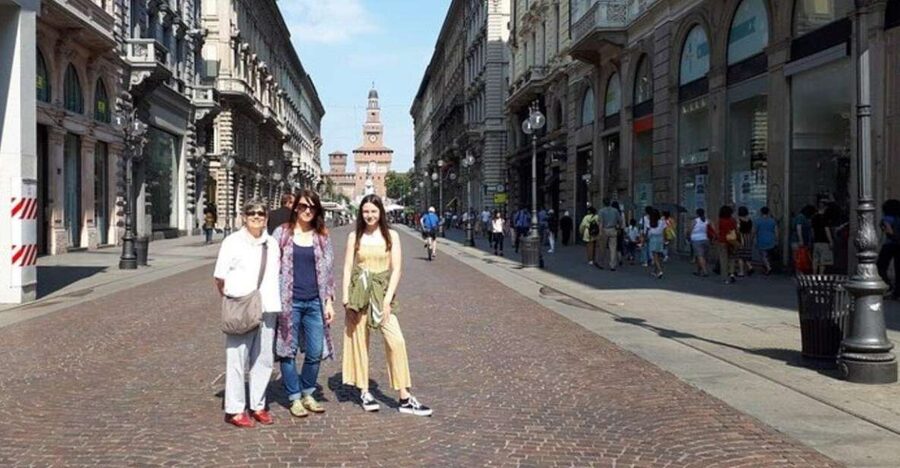
The strongest part of this experience is the conversation. Davide, in particular, has been praised for explaining Milanese architecture, industry, and fashion while also pointing out cafés, churches, and squares.
That range makes the tour more useful than a narrow monument walk. Milan is not only a city of famous façades. It is also a center of design, manufacturing, business, food, and style. A guide who can move between those subjects gives you a better feel for the city.
You should bring questions. Ask what the guide thinks is worth seeing after the tour, where to find the kind of café you prefer, or which area fits your interests. The tour is designed to provide advice for the rest of your visit, so use that time well.
I would not expect every guide to give the same depth on every subject. The experience depends on the person assigned, your chosen language, and how actively you take part. The private setting gives you the chance to shape that conversation.
Walking, timing, and physical comfort
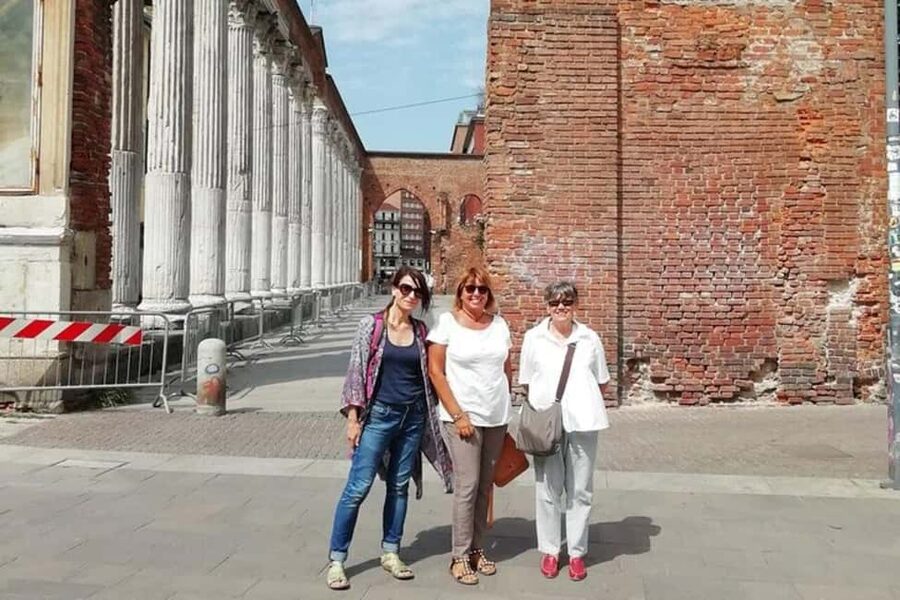
The tour lasts three hours and is primarily a walking experience. Public transport is included when needed, except for certain selected options, but you should still expect to spend most of the time on foot between central Milan sights.
Wear comfortable shoes. The route covers several districts and landmarks, and even a relaxed pace can feel tiring if you are not prepared for continuous city walking.
The tour is wheelchair accessible, which is important for visitors who need step-free planning. Still, it is sensible to explain your mobility needs when booking so the route can be handled as smoothly as possible.
Starting times depend on availability. Morning and afternoon departures may suit different plans, and an afternoon route can work well if you prefer to arrive in Milan slowly before meeting your guide. Rosaria has led an afternoon version of the walk, showing that the experience can fit neatly into a later part of the day.
What is included, and what is not
The tour includes a private guide, a customizable walking route, and public transport where applicable. You also receive help from the provider with booking tickets for visits you want to add.
Food and drinks are not included. That is not a serious problem in Milan, where you may prefer to choose your own coffee stop or meal, but you should budget for it separately. Paid entry to the Duomo interior, rooftop, museums, or other desired visits is also not included in the stated price.
The most important question is how you use the three hours. If you want a relaxed walk with room for questions, the pace should suit you. If you want to enter several attractions, see every courtyard in detail, and stop for food, the schedule may feel tight.
Who should book this Milan walk?
I would recommend it most strongly to first-time visitors, couples, families, and small groups who want a private introduction to Milan. It is also a good match for anyone who prefers conversation and local advice over a fixed audio guide.
The route suits you if you want famous sights without staying only in the busiest squares. Brera and San Simpliciano give the walk more character, while the Duomo, Galleria, and Sforza Castle ensure that you see Milan’s essential landmarks.
It may be less suitable if your main goal is a long museum visit or detailed access to every interior. In that case, use this walk as an orientation and plan separate admission visits afterward.
The tour has a 4.7 rating from 19 reviews, with especially strong praise for the guides’ stories, city knowledge, and ability to explain architecture, fashion, and Milanese life. The one weaker language experience means you should communicate your expectations clearly before the walk.
Should you book it?
Book this tour if you want Milan explained as a living city, not just presented as a row of famous buildings. The combination of the Duomo, Galleria, Brera, San Simpliciano, and Sforza Castle gives you a solid first look, while the private format lets you ask for the subjects that matter to you.
At $77 per person, it offers good value for a small private group that wants personal attention and practical advice. I would book it early in your Milan stay, then use the guide’s suggestions to plan the rest of your visit.
Skip it if you already know central Milan well or want a ticket-focused museum tour. For most first visits, though, this is a well-balanced way to get your bearings, hear useful stories, and find out where to spend your limited time.
FAQ
Where does the tour start?
The tour starts at Piazza dei Mercanti, 1, in central Milan.
Where does the tour finish?
The walk returns to Piazza dei Mercanti, 1.
How long does the tour last?
The tour lasts three hours.
Is this a private tour?
Yes. The tour is private and exclusive, with no other group members added to your booking.
Which Milan sights are included?
The route includes Piazza del Duomo, Galleria Vittorio Emanuele II, the Brera District, Basilica di San Simpliciano, and Sforza Castle.
Does the tour enter the Duomo?
The listed visit includes a guided look at the Duomo from outside. Ask the provider about tickets if you want to visit the interior or other paid areas.
Does the tour include Sforza Castle admission?
The tour includes a guided walk through the castle’s main courtyards. Admission to additional paid areas is not included.
Are food and drinks included?
No. Food and drinks are not included in the tour price.
Which languages are available?
The live tour guide can provide the tour in English, French, Spanish, or Italian.
Is the tour wheelchair accessible?
Yes, the activity is listed as wheelchair accessible.
Just added around Milan
- Milan: Food Tour with Pasta, Pizza, Cannoli, and Tiramisu!★ 4.3 · 3 reviews
- Varenna Walking Tour and Cooking Class★ 5.0 · 3 reviews
- 1-Day Personal Fashion Styling Course for Women★ 5.0 · 3 reviews
- Milan: 4-Hour Art and History Private Walking Tour★ 5.0 · 3 reviews
- Private Wine Tasting in Bellagio with Chef Luigi Gandola★ 5.0 · 3 reviews
- Walking Tour in Lake Como with Lierna Cooking Class★ 5.0 · 3 reviews
- Mantova: Private Walking Tour★ 4.3 · 3 reviews
- Wine and Food tasting PRIVATE Guided Tour★ 5.0 · 3 reviews
Walking Tours, compared.
Guided Walking Tour & Last Supper Visit with Ticket
Read our review →
Guided Walking Tour with Last Supper Skip-the-Line
Read our review →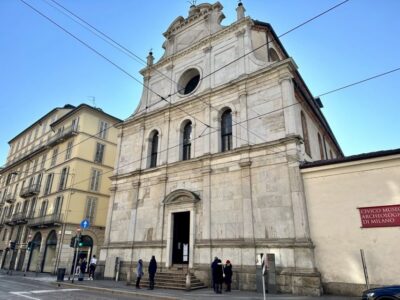
Guided Street Food Walking Tour with Food Tasting
Read our review →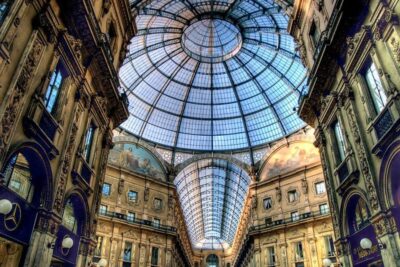
Guided Walking Tour with Duomo and the Last Supper
Read our review →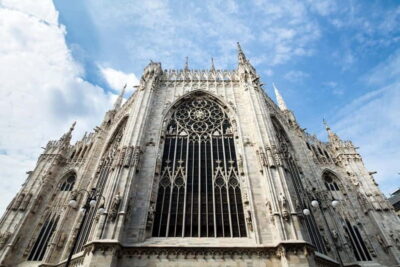
Best of City Walking Tour with Last Supper Tickets
Read our review →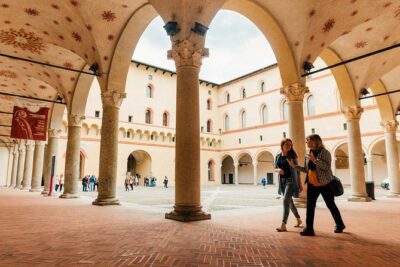
Milan Highlights and Hidden Gems Private Guided Walking Tour
Read our review →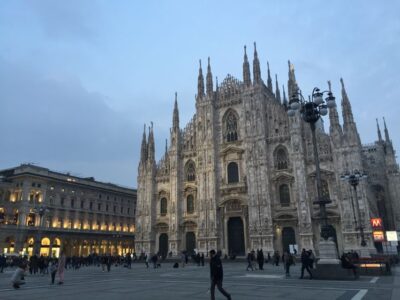
Browse the lists this tour appears in