
Reviewed · WALKING TOURS
Milan Walking Tour: Explore Top Sights & Hidden Gems
Milan’s grand center unfolds quickly on this compact walk, from the Duomo’s forest of spires to the quiet style of Brera and the broad walls of Castello Sforzesco. I like that the route mixes major sights with everyday Milanese culture, including traditional food and second-hand fashion, rather than stopping only at monuments.
I also like the small maximum group of 15 and the simple two-hour format. You can get your bearings without giving up half a day. The main concern is guide quality: feedback about Matteo points to weak English, an untidy presentation, route changes, and an ending away from the stated meeting point. Those details matter on a walking tour built around spoken explanation.
In This Review
- Key points to know before booking
- What this Milan walk is really designed to do
- The Duomo, Milan’s marble calling card
- Galleria Vittorio Emanuele II and Milanese style
- Bottega Rossa and the food conversation
- Brera, Milan’s most appealing change of pace
- Cavalli E Nastri and second-hand fashion
- Castello Sforzesco, with an important limitation
- Price, group size, and what you receive
- Guide quality can make or break the walk
- Who should book this Milan experience?
- Should you book the Milan Walking Tour?
- FAQ
- How long is the Milan walking tour?
- What sights does the tour visit?
- Does the tour enter the Duomo?
- Are museum tickets included?
- Is food included at Bottega Rossa?
- What language is the tour offered in?
- How large is the group?
- Where does the tour start and finish?
Key points to know before booking
- The Duomo is an outside stop: The tour does not include admission to the cathedral, rooftop, or museums.
- The route covers six stops in about two hours: Each listed stop receives roughly 20 minutes, so expect an overview rather than a full visit.
- Brera adds local character: Art, small shops, and Milanese style balance the formal monuments.
- Food is explained from outside Bottega Rossa: You do not enter for a meal or tasting.
- The group is capped at 15 people: That is a reasonable size for city walking and guide interaction.
- Guide communication is important: Past feedback raises concerns about English clarity, timing, and route consistency.
What this Milan walk is really designed to do
This is a first-look tour, not a museum visit or a cathedral tour. For $39, you are paying mainly for a guide to connect central Milan’s best-known sights and point out a few less obvious corners along the way.
The route begins at Montenapoleone M320121, in Milan’s Metropolitan City area. From there, the walk moves toward Piazza del Duomo and continues through the Galleria, Brera, and the area around Castello Sforzesco. The activity ends back at the meeting point according to the stated plan, though one detailed account describes an ending by the canals instead. I would confirm the finish with the guide at the start.
Two hours sounds short, and it is. That can be a strength if you have just arrived in Milan and want orientation before exploring alone. It can also feel rushed if you expect time inside the Duomo, a museum visit, shopping, lunch, or a close look at every stop.
The group limit of 15 helps. You should have a better chance of hearing the guide than on a large coach-style walk, and it is easier to ask a question. Still, the experience depends heavily on the person leading it. Clear English and a reliable route are not small extras here. They are the product.
A few more Milan trips worth weighing up
- Milan: Guided Walking Tour & Last Supper Visit with Ticket
★ 4.7 · 5,409 reviews - Milan: Guided Walking Tour with Last Supper Skip-the-Line
★ 4.7 · 1,143 reviews - Milan: Guided Street Food Walking Tour with Food Tasting
★ 4.8 · 654 reviews
The Duomo, Milan’s marble calling card
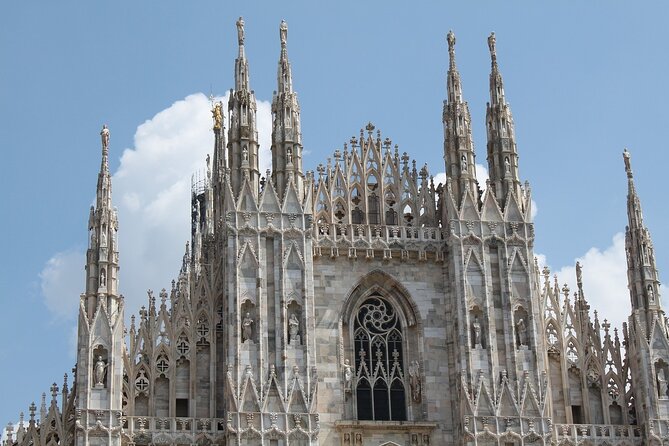
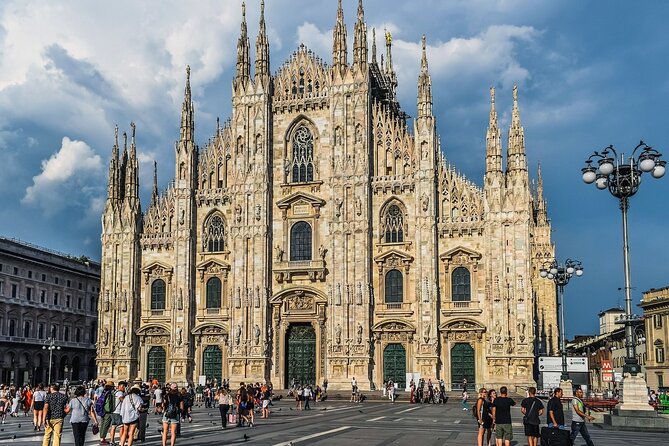
The first major sight is the Duomo di Milano. Its pale façade took more than six centuries to complete and carries more than 3,000 statues and 135 spires. Even from the piazza, the building gives you plenty to study: saints, figures, pointed decoration, and layers of Gothic detail.
The stop is outside only, with about 20 minutes allotted. That is enough for a general explanation and a few photographs, but not enough to inspect the façade closely or enter the cathedral. Admission is not included because there is no interior visit on this tour.
If you want the rooftop, cathedral interior, or archaeological areas, plan those separately. This walk can help you understand the Duomo’s place in Milan, but it does not replace a dedicated visit.
I would pay attention to the guide’s explanation of the building’s long construction. That six-century time span is the useful context. Without it, the Duomo can become just another grand European church. With it, the many changes in style and decoration make more sense.
The piazza can be crowded, and the guide may need to keep the group close. Stay alert for the meeting point and listen for practical directions. A short stop here works best as an introduction, not as the main event.
Galleria Vittorio Emanuele II and Milanese style
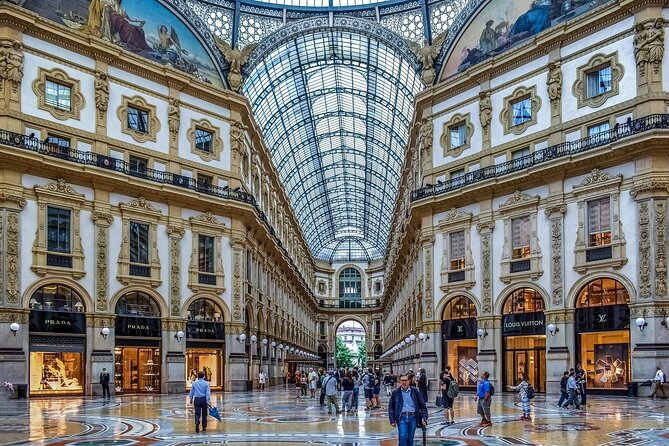
From the Duomo, the walk continues to the Galleria Vittorio Emanuele II. This elegant covered arcade links Piazza del Duomo with Piazza della Scala and is one of Milan’s clearest signs that commerce and architecture have long shared the same stage.
The Galleria houses historic shops and cafés. Even if you are not shopping, look up at the glass roof and iron structure, then look down at the patterned floor and the central space. The stop gives you a feel for Milan’s polished public style without requiring an admission ticket.
The planned time is about 20 minutes. That should let you cross the arcade, hear an explanation, and take in the setting. It is not enough for a relaxed coffee, a proper browse through the shops, or a long photo session.
This is one of the better stops for understanding how the tour blends famous places with daily city life. The Galleria is not only a monument. It is also a passage, meeting place, shopping area, and café district. You see Milan presenting itself with confidence, but you also see people using the space.
If you want to return later, the Galleria is easy to pair with the Duomo and Piazza della Scala on your own. The guided visit gives you the basic map. You can then slow down without holding up a group.
Bottega Rossa and the food conversation
Bottega Rossa is included as a food-related stop. The guide explains traditional Milanese food through this historic restaurant, but the walk continues without entering.
That distinction is important. This is not a tasting, cooking class, or restaurant reservation. You will not receive a meal as part of the $39 price, and no restaurant admission is included.
For some people, this will be a pleasant change of pace. Milanese food has its own identity, and a short explanation can help you know what to look for later. For others, an outside explanation may feel thin, especially if food is one of the main reasons for booking.
I would treat this stop as a prompt for your own dinner plans. Listen for the dishes and food traditions the guide discusses, then ask where you might try them if the guide gives useful, relevant advice. Keep in mind that the tour is meant to keep moving, so there may not be time for a meal or extended restaurant discussion.
One caution comes from the reported experience of being taken into a supermarket and encouraged to buy beer. That is not part of the stated route or inclusions. You should not feel pressured to purchase anything. If the walk moves into an unscheduled shopping stop, it is reasonable to ask how it fits the planned tour.
A different sort of day out, same corner of Lombardy:
- Milan: Cathedral and Duomo’s Terraces Entrance Ticket
★ 4.6 · 61,054 reviews - From Milan: Como & Bellagio with Private Lake Como Cruise
★ 4.6 · 9,788 reviews - Milan: City Sightseeing Hop-On Hop-Off Bus with Audio Guide
★ 4.0 · 6,256 reviews - Milan Cathedral: Duomo Terraces Ticket (No Church Access)
★ 4.6 · 6,111 reviews
Brera, Milan’s most appealing change of pace
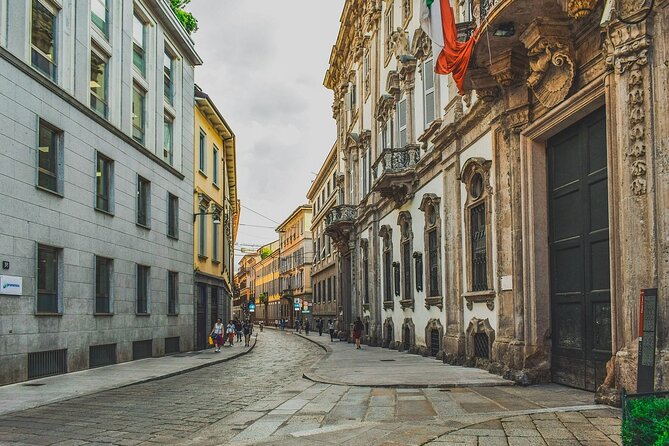
Brera is the route’s neighborhood stop. It is known for art galleries, shops, and the Pinacoteca di Brera, one of Milan’s important art institutions. The tour does not include entry to the gallery, but the district itself gives you a welcome shift from monumental Milan.
Here, you are looking at streets and storefronts as much as grand buildings. The area’s appeal comes from the mix of art, fashion, small businesses, and older urban character. The planned 20-minute visit is enough to introduce the neighborhood, though not enough to see the Pinacoteca properly.
If you enjoy museums, note the Pinacoteca di Brera as a separate stop for later. This tour only gives you the setting. The same is true for shopping. You can identify the district and return when you have more time.
Brera is also where a good guide can add the most value. The Duomo and Galleria explain themselves visually. A neighborhood benefits more from local context: why the area matters, what kind of shops you are passing, and how it differs from the formal center.
The guide’s English matters especially here. One account described visiting several places but understanding little of their importance because the explanations were hard to follow. If you cannot understand the commentary, Brera becomes a pleasant walk rather than an informative one.
Cavalli E Nastri and second-hand fashion
Cavalli E Nastri is a vintage clothing shop selling second-hand fashion. Including it gives the walk a more personal Milan angle. The city is famous for fashion, but a vintage store shows style through clothing with a past, not only through luxury labels and new collections.
The stop is listed for about 20 minutes and does not include a purchase. You can browse if the route allows, but the tour price covers the guide and walking time, not shopping.
This may be a strong stop for anyone interested in clothing, design, or the way Milan expresses itself through appearance. It may be less useful if your priority is architecture or art. The route tries to serve different interests, but that means no single theme receives full treatment.
I would keep your expectations modest. The value is in seeing a type of Milanese business and hearing how the guide connects it with local fashion culture. It is not a dedicated shopping tour, and you should not feel obligated to buy anything.
Castello Sforzesco, with an important limitation
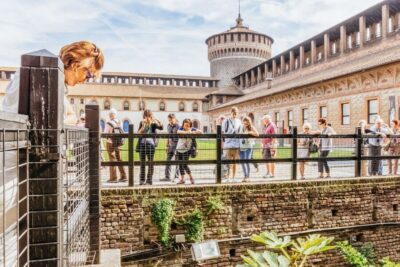
The final listed sight is Castello Sforzesco, a former fortress that now houses several museums. Its large walls and towers offer a strong finish to a central Milan walk, and the castle helps explain the city’s political and defensive past.
The plan allows about 20 minutes. Entry to the museums is not included, so this is an outside look unless you return later on your own.
There is a practical issue here. A detailed account says the castle was seen only briefly from a distance, despite the stated 20-minute stop. That is a major difference for anyone booking specifically to see Castello Sforzesco. Ask at the beginning whether the group will reach the castle grounds and how much time is planned there.
The castle contains several museums, but this experience does not provide museum tickets or time for a museum visit. If you want the interiors, schedule another visit. The walking tour can show you where to go and give you a basic introduction, but it cannot cover the collections in a short final stop.
The stated ending is back at the meeting point. One account says the walk ended by the canals around 4:30 p.m., without guidance back to the Duomo. Because the route and finish are important, confirm both before setting up a timed reservation afterward.
Price, group size, and what you receive
At $39 per person, the price is fair if you want a guided orientation of central Milan and are content with outside visits. You receive a two-hour walking tour and a professional guide. You do not receive attraction tickets, food, hotel transportation, or a shopping credit.
The value drops if you expect entry to the Duomo, Pinacoteca di Brera, or Castello Sforzesco museums. None is included. You should think of this as paying for route planning, spoken context, and the convenience of seeing several central areas in one outing.
The maximum group size of 15 is useful. It is small enough to feel more personal than a large sightseeing group, though it is not a private tour. The activity is offered in English and confirmation is provided when you book.
The tour is near public transportation, and most people can participate. Service animals are allowed. Hotel pickup and drop-off are not included, so you need to reach the meeting point yourself.
Free cancellation is available if you cancel at least 24 hours before the start time. A cancellation inside that window is not refundable, and late changes are not accepted. That policy is fairly simple, but check the local start time before making changes.
Guide quality can make or break the walk
The biggest unknown is the guide. One detailed account described Matteo as kind but difficult to understand in English, while another raised concerns about dress, identification, route accuracy, unexpected shopping advice, and restaurant recommendations. The provider apologized and said the concerns would be addressed.
I would not ignore these points. A walking tour is not just a path between buildings. The explanation is what turns a sequence of façades into a useful experience. If the guide’s English is unclear, you may still see Milan, but you may miss why the sights matter.
The reported account also says the tour lasted three hours instead of two, with two couples leaving early. A longer walk is not automatically bad, but an unexpected extra hour can affect dinner plans, museum reservations, or train connections.
At the start, confirm three things:
- The exact route and whether all six stops are planned.
- The expected finish point and duration.
- Whether any shopping or restaurant stops are optional rather than part of the tour.
These questions are polite and practical. They also give you a quick sense of how organized the guide is.
Who should book this Milan experience?
I would consider this tour if you are visiting Milan for the first time, want a quick central overview, and prefer a small group to exploring every stop alone. It suits you best if you plan to return to the Duomo, Brera, or castle later for longer visits.
It can also work well early in your stay. The walk links several districts and gives you a basic map of the center. Afterward, you can decide where to spend your own time and money.
I would hesitate if you need guaranteed museum entry, a food tasting, a fashion shopping session, or a tightly timed finish. I would also think twice if spoken history is your main reason for booking, given the concerns about English clarity and route changes.
Should you book the Milan Walking Tour?
Book it if you want a short, affordable introduction to Milan’s central sights, understand that every stop is outside, and can keep your schedule flexible. The combination of Duomo, Galleria, Brera, food culture, vintage fashion, and Castello Sforzesco gives you a broad first look for $39.
Skip it if you expect a polished, tightly managed tour with guaranteed time at every listed stop. Before you set off, confirm the guide, route, duration, and finish point. With those details clear, this can be a useful orientation walk. Without them, you may pay for a fast series of glimpses and explanations you cannot fully follow.
FAQ
How long is the Milan walking tour?
The planned duration is approximately two hours. One detailed account describes a tour that lasted three hours, so confirm the expected timing with the guide before beginning.
What sights does the tour visit?
The route includes Duomo di Milano, Galleria Vittorio Emanuele II, Bottega Rossa, Brera, Cavalli E Nastri, and Castello Sforzesco.
Does the tour enter the Duomo?
No. The Duomo is an outside visit only, and admission to attractions is not included.
Are museum tickets included?
No. Entry tickets to attractions are not included. This applies to the Duomo, Pinacoteca di Brera, and the museums inside Castello Sforzesco.
Is food included at Bottega Rossa?
No. The guide explains traditional Milanese food from the historic restaurant, but the tour continues without entering and does not include food or drinks.
What language is the tour offered in?
The tour is offered in English. Feedback indicates that English clarity may vary by guide, so confirm that you can comfortably follow the guide at the start.
How large is the group?
The maximum group size is 15 travelers.
Where does the tour start and finish?
It starts at Montenapoleone M320121 in Milan. The stated finish is back at the meeting point, though one account describes an ending by the canals, so confirm the endpoint before setting other plans.
Just added around Milan
- Milan: Food Tour with Pasta, Pizza, Cannoli, and Tiramisu!★ 4.3 · 3 reviews
- Varenna Walking Tour and Cooking Class★ 5.0 · 3 reviews
- 1-Day Personal Fashion Styling Course for Women★ 5.0 · 3 reviews
- Milan: 4-Hour Art and History Private Walking Tour★ 5.0 · 3 reviews
- Private Wine Tasting in Bellagio with Chef Luigi Gandola★ 5.0 · 3 reviews
- Walking Tour in Lake Como with Lierna Cooking Class★ 5.0 · 3 reviews
- Mantova: Private Walking Tour★ 4.3 · 3 reviews
- Wine and Food tasting PRIVATE Guided Tour★ 5.0 · 3 reviews
Walking Tours, compared.
Guided Walking Tour & Last Supper Visit with Ticket
Read our review →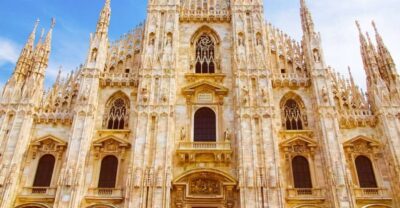
Guided Walking Tour with Last Supper Skip-the-Line
Read our review →
Guided Street Food Walking Tour with Food Tasting
Read our review →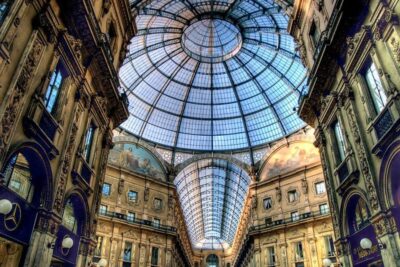
Guided Walking Tour with Duomo and the Last Supper
Read our review →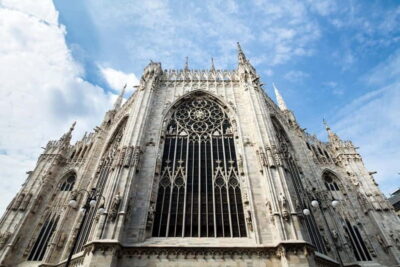
Best of City Walking Tour with Last Supper Tickets
Read our review →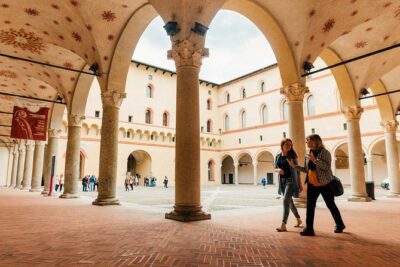
Milan Highlights and Hidden Gems Private Guided Walking Tour
Read our review →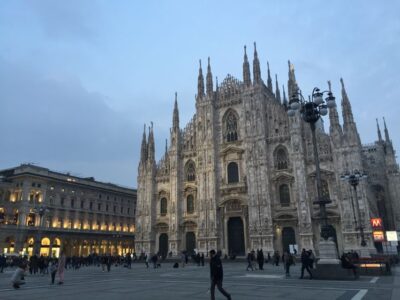
Browse the lists this tour appears in