
Reviewed · WINE TOURS
3 Italian sparkling wines and how to distinguish them: Prosecco, Franciacorta..
Italian sparkling wine is not one thing. This two-hour Milan tasting shows you how three production methods create very different bubbles, aromas, textures, and prices. You will taste Prosecco, Franciacorta, and another Italian sparkling wine while Cornelia explains the choices behind each bottle.
I like the clear side-by-side format, especially the chance to compare the Martinotti or Charmat method with the traditional method. I also like the relaxed teaching style: Cornelia welcomes beginner questions and connects wine tasting to what you actually smell and taste. The main consideration is the price, $112.38 per person, which makes the lesson worthwhile mainly if you want real wine instruction, not just three casual pours.
In This Review
- Key points at a glance
- Why the three-method comparison matters
- Meeting Cornelia at Piazza Fontana
- Three glasses and a lesson in Italian bubbles
- Prosecco versus Franciacorta
- What the tasting can teach a beginner
- The Milan setting and evening timing
- Is $112.38 a fair price?
- Who will enjoy this private tasting?
- Practical booking advice for Piazza Fontana
- Should you book this Italian sparkling wine class?
- FAQ
- Where does the sparkling wine experience begin?
- What time does the activity start?
- Where does the activity end?
- How long does the tasting last?
- Which wines will I taste?
- Which production methods are covered?
- Is the experience offered in English?
- Is this a private activity?
- Can children or people under 18 drink the wines?
- Can I cancel for a full refund?
Key points at a glance

- Three wines, three production methods: Compare ancestral-style sparkling wine, the Martinotti or Charmat method, and the traditional method.
- Prosecco and Franciacorta included: Learn why these famous Italian names do not taste or cost the same.
- Cornelia leads the session: She explains wine basics in clear language and encourages questions from beginners.
- A private two-hour format: Only your own group participates, making this more personal than a large tasting.
- A Milan view adds atmosphere: The tasting takes place in a location praised for its views over the city.
- Central meeting point: Begin and end at Piazza Fontana at 5:00 pm, with public transportation nearby.
Why the three-method comparison matters
The smart idea here is not simply tasting three bottles. It is tasting them as examples of three ways to create bubbles. That gives you a useful framework for future restaurant orders and wine-shop purchases.
The ancestral style is the oldest approach discussed during the session. The wine begins its sparkling life through an early fermentation process, rather than following the more controlled routes associated with the Charmat or traditional methods. It can feel less polished and more rustic, depending on the bottle. The point is not to declare one method best. It is to notice how method shapes the finished wine.
The Martinotti method, also called the Charmat method, carries out the second fermentation in a tank. Prosecco is the familiar name most people connect with this approach. This method helps preserve fresh fruit and floral character, and it can produce an easygoing wine suited to an aperitivo.
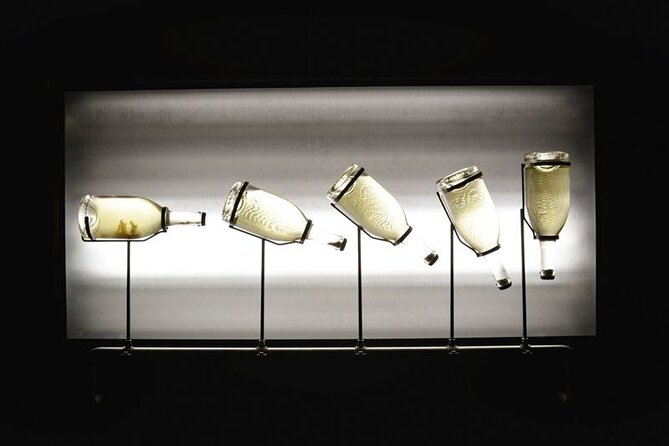
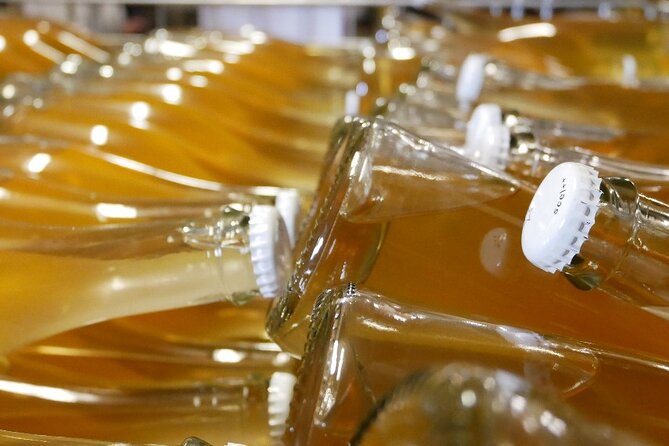
The traditional method uses a second fermentation in the bottle. Franciacorta is Italy’s best-known example of this style. It generally calls for more time and labor, which helps explain why traditional-method wines often cost more. During the tasting, you learn to connect those production decisions with what appears in your glass.
More cellars and tastings:
- Milan: Pasta and Tiramisu Cooking Class with Wine
★ 4.8 · 1,106 reviews - Sirmione: Sunset Boat Cruise with Local Wine
★ 4.8 · 824 reviews - Gnocchi, Pasta, Tiramisù and Wine Class
★ 5.0 · 691 reviews
Meeting Cornelia at Piazza Fontana
The experience begins at 5:00 pm at Piazza Fontana, a central Milan meeting point at 20122 Milano MI, Italy. The activity ends back at the same place, which keeps the evening simple. You do not need to arrange a second pickup point or figure out where the final tasting finishes.
Public transportation is nearby, another useful detail in central Milan. The supplied information does not specify the exact room or tasting venue beyond the meeting point, so you should follow the booking confirmation for precise directions. The location may include a city view, an atmospheric touch that adds more than a standard classroom setting.
Because this is a private activity, only your group takes part. That can mean a more direct conversation with Cornelia and more room to ask basic questions without feeling self-conscious. It also suits a solo visitor. One solo participant joined a small mixed group setting and found the format comfortable, while another session worked well for an aunt and niece.
Three glasses and a lesson in Italian bubbles
Expect the tasting to move through three sparkling wines, each linked to a different production style. The exact order is not provided, but the teaching naturally works best when Cornelia places the wines side by side and asks you to compare them.
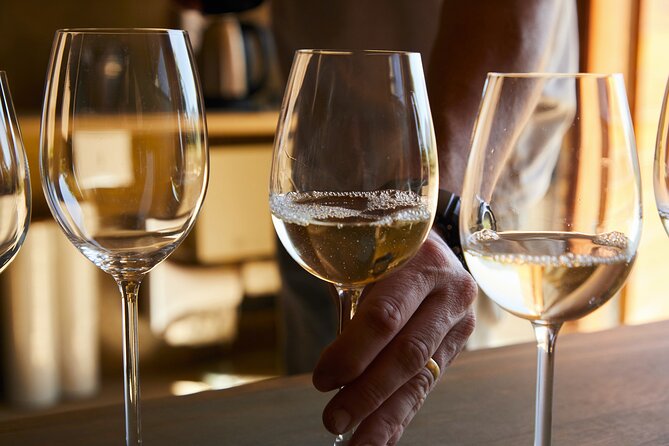
You will learn terms such as perlage, the pattern and feel of the bubbles, and dosage, the final addition that can affect a sparkling wine’s sweetness. These words can sound technical in a wine bar. Here, they have a practical purpose. You learn what to watch for in the glass, what to notice on your tongue, and how the winemaking process affects the result.
Cornelia also addresses the difference between the classic method and the Charmat method. You might notice that one wine feels more fruit-driven while another has more complexity or a finer bubble. The session helps you understand that these differences are not random. They come from grapes, place, fermentation, aging, and the choices made by the producer.
The third wine is not identified in the available details, so you should not expect a fixed list beyond Prosecco and Franciacorta. That uncertainty is a small drawback if you want to research every bottle in advance. It also leaves room for a less familiar Italian region or style, which is part of the point of the class.
Prosecco versus Franciacorta
Prosecco and Franciacorta are often grouped together because both are Italian sparkling wines. That shortcut hides important differences.
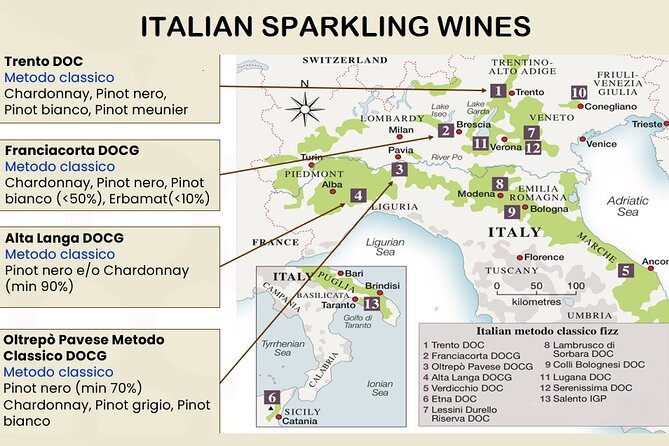
Prosecco is commonly made using the Martinotti or Charmat method. The tank fermentation helps keep the wine bright, fresh, and appealingly fruity. It is often the bottle you reach for before dinner, with light snacks or a relaxed toast.
Franciacorta follows the traditional method. Its second fermentation takes place in the bottle, a process that requires more handling and time. The result can show a different texture and a more layered character. The class uses this contrast to explain why a higher price is sometimes linked to production rather than marketing alone.
I appreciate that the session does not treat price as a simple measure of quality. A traditional-method wine may require more work, but that does not mean every drinker will prefer it. If you love crisp, fruit-forward bubbles, Prosecco may suit you better. If you enjoy a more structured style, Franciacorta may be the more interesting glass.
That is useful advice for real life. You can stop ordering by reputation and start ordering by style. You can also recognize that classic method is not just a label on a menu. It tells you something about how the wine was made.
A different sort of day out, same corner of Lombardy:
- Milan: Cathedral and Duomo’s Terraces Entrance Ticket
★ 4.6 · 61,054 reviews - From Milan: Como & Bellagio with Private Lake Como Cruise
★ 4.6 · 9,788 reviews - Milan: City Sightseeing Hop-On Hop-Off Bus with Audio Guide
★ 4.0 · 6,256 reviews - Milan Cathedral: Duomo Terraces Ticket (No Church Access)
★ 4.6 · 6,111 reviews
What the tasting can teach a beginner
You do not need prior wine knowledge to enjoy this class. Cornelia’s approach is described as clear, passionate, and down to earth. Beginner questions are welcome, and the lesson covers general tasting as well as sparkling wine.
You will use your senses rather than memorize a long list of facts. Look at the bubbles. Notice how quickly they rise and how they feel in your mouth. Smell the wine before tasting it. Then consider what you actually like, rather than trying to find the answer you think a wine expert expects.
That makes the class practical for first-time wine tasters. You may learn why one bottle feels sharp and clean while another seems rounder or more aromatic. You may also discover that your personal preference does not match the bottle with the most elaborate production method. That is a good result. Wine education should give you confidence, not a new set of rules to fear.
The two-hour length gives the subject enough room to breathe. A shorter tasting might rush through the terms and leave you remembering only which glass was sweetest. Here, you have time to connect the methods with the flavors and ask follow-up questions.
The Milan setting and evening timing
A 5:00 pm start fits neatly into a Milan day. You can visit sights earlier, then head to Piazza Fontana for a seated tasting and finish around the start of the evening. The activity returns to the meeting point, so you can continue into dinner without dealing with a distant venue.
The setting appears to offer views of Milan, which adds a welcome sense of place. You are not only tasting wine in isolation. You are learning about Italian regions while looking out over an Italian city. The exact view and indoor setup are not specified, so treat that as a feature to confirm rather than a guaranteed panoramic room.
The meeting point is central and near public transportation. Still, give yourself time to locate Piazza Fontana, especially if you are unfamiliar with Milan or arriving during a busy sightseeing day. The booking confirmation is sent when you reserve and should provide the details you need.
Is $112.38 a fair price?
At $112.38 per person, this is not a bargain aperitivo. You are paying for three wines, a private two-hour lesson, the guide’s preparation, and the chance to ask questions tailored to your group.
The value improves if you are curious about wine, plan to visit wineries later in Italy, or want to make better choices at restaurants. The class gives you a vocabulary for sparkling wine and a way to compare production methods. That knowledge can stay useful long after the glasses are empty.
The value is weaker if you only want a quick drink before dinner. You might find less expensive casual tastings in Milan, though they may not explain the ancestral, Charmat, and traditional methods in such a focused way. You should book this as an educational tasting with wine to drink, not as a bar stop with a few facts attached.
Group discounts may be available, which can improve the per-person cost for a larger booking. Since the activity is private, confirm the current discount terms before paying. The price and available discount can change.
Who will enjoy this private tasting?
I would recommend this experience to several kinds of visitors:
- Sparkling wine fans who know Prosecco but want to understand Franciacorta and other Italian styles.
- Beginners who want a friendly introduction without needing specialist vocabulary.
- Solo visitors who prefer a guided activity with a clear start and finish.
- Couples and small groups who want a private lesson rather than a large public tasting.
- Food and wine learners who plan to compare Italian bottles during the rest of their trip.
- Repeat Milan visitors looking for an evening activity beyond the usual landmarks.
It may not suit you if you dislike structured tastings or rarely drink alcohol. The class centers on tasting and comparison, so the educational part is not optional background decoration. Guests under 18 may attend, but they will not be served alcoholic drinks because the legal drinking age in Italy is 18.
Service animals are allowed. The activity is offered in English, and confirmation arrives at booking. Those details make it easier to fit into a mixed-age or international itinerary, though the central focus remains wine.
Practical booking advice for Piazza Fontana
Plan to arrive before 5:00 pm. The meeting point is Piazza Fontana, and the experience finishes there, but the exact tasting room is not described in the supplied details. Keep the confirmation handy so you can check the final meeting instructions.
Wear something comfortable for a two-hour seated session. The activity is private, so tell Cornelia at the start if you are a complete beginner or if you want extra attention on production methods, tasting technique, or Prosecco and Franciacorta.
The cancellation policy is generous if your plans are still shifting. You can cancel for a full refund up to 24 hours before the local start time. Cancellations or changes made less than 24 hours before the start are not accepted for a refund.
Should you book this Italian sparkling wine class?
Book it if you want to understand why Italian bubbles taste different, not just sample three glasses. Cornelia’s friendly teaching style, the private format, the Milan view, and the comparison of three production methods give the session a clear purpose.
I would be especially inclined to book if Prosecco is already a favorite and you want to see how Franciacorta compares. I would hesitate only if $112.38 feels high for a tasting or if you want a winery visit with vineyard scenery. This is an urban lesson in wine, built around explanation and comparison.
For a curious drinker, it offers a useful souvenir that fits in your head rather than your suitcase: the ability to read a sparkling wine menu and understand what the method may mean before you order.
FAQ
Where does the sparkling wine experience begin?
It begins at Piazza Fontana, 20122 Milano MI, Italy.
What time does the activity start?
The start time is 5:00 pm.
Where does the activity end?
The activity ends back at the meeting point at Piazza Fontana.
How long does the tasting last?
The experience lasts approximately two hours.
Which wines will I taste?
The experience includes three Italian sparkling wines, including Prosecco and Franciacorta. The third wine is not specified in the supplied information.
Which production methods are covered?
You will learn about the ancestral style, the Martinotti or Charmat method, and the traditional method, also called the classic method.
Is the experience offered in English?
Yes. The experience is offered in English.
Is this a private activity?
Yes. Only your group will participate.
Can children or people under 18 drink the wines?
No. Anyone who has not reached the legal drinking age in Italy, which is 18, will not be served alcoholic beverages.
Can I cancel for a full refund?
Yes. You can cancel at least 24 hours before the local start time for a full refund. Changes or cancellations made less than 24 hours before the start are not accepted for a refund.
Just added around Milan
- Milan: Food Tour with Pasta, Pizza, Cannoli, and Tiramisu!★ 4.3 · 3 reviews
- Varenna Walking Tour and Cooking Class★ 5.0 · 3 reviews
- 1-Day Personal Fashion Styling Course for Women★ 5.0 · 3 reviews
- Milan: 4-Hour Art and History Private Walking Tour★ 5.0 · 3 reviews
- Private Wine Tasting in Bellagio with Chef Luigi Gandola★ 5.0 · 3 reviews
- Walking Tour in Lake Como with Lierna Cooking Class★ 5.0 · 3 reviews
- Mantova: Private Walking Tour★ 4.3 · 3 reviews
- Wine and Food tasting PRIVATE Guided Tour★ 5.0 · 3 reviews
Wine Tours, compared.

Small-Group Barolo Wine Tasting, Alba & UNESCO Piedmont Hills
Read our review →
Pasta and Tiramisu Small Group Cooking Class with Wine
Read our review →
Wine Lovers Experience at Cantina Urbana Winery
Read our review →
Domaso: Wine Tasting at the Winery on Como Lake
Read our review →Browse the lists this tour appears in