
Reviewed · COOKING CLASSES
Milan: Italian Cooking Class with Food and Wine
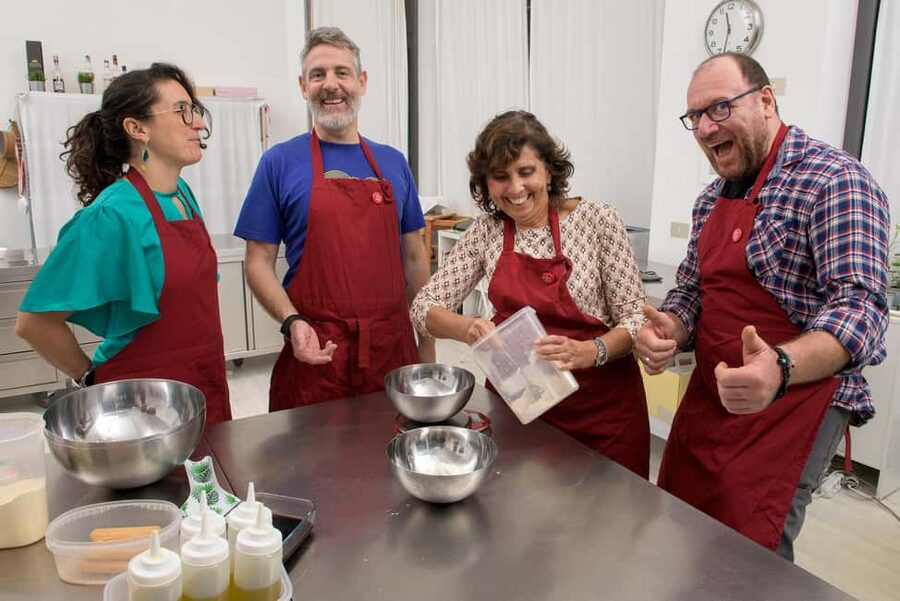
Milan’s Chef and the City cooking class does something simple and smart: it has you make the meal you later eat. In three hours, you may roll tagliatelle, shape ravioli, prepare bruschetta, mix gnocchi, or make a dessert such as tiramisù or biscotti. Chef Ilaria leads many sessions, with Fernando and other staff helping keep the class moving.
I like the hands-on pasta work, especially the chance to use a pasta machine and learn why the dough behaves as it does. I also like the relaxed meal at the end, with wine, conversation, and recipes to take home. The main consideration is that the exact menu can change, and sauces such as ragu or cacio e pepe may already be prepared because they need more time than a three-hour class allows.
In This Review
- Key points to know before booking
- What this Milan cooking class is really like
- The first course: snacks, stories, and kitchen basics
- Fresh pasta is the most useful skill to take home
- Appetizers and desserts keep the menu varied
- Sitting down to eat changes the whole evening
- What you actually learn from Chef Ilaria
- Is $80 a fair price in Milan?
- Who should book this class?
- Practical details that matter
- Final verdict: book it if you want to cook, not just eat
- FAQ
- How long does the Milan Italian cooking class last?
- What dishes might I prepare?
- Is wine included in the price?
- Will I receive the recipes?
- What language is the class taught in?
- Are children allowed to attend?
- Can I bring luggage or a pet?
Key points to know before booking
- Three dishes in three hours: Classes usually cover an appetizer, a main course, and a dessert, though the exact dishes vary.
- Fresh pasta is the star: You may make tagliatelle, ravioli, gnocchi, or another pasta shape from scratch.
- Chef Ilaria brings the personality: Her teaching combines clear instructions, Italian food customs, kitchen tips, and plenty of humor.
- Wine and food are included: Snacks are served during breaks, followed by the shared meal you helped prepare.
- Recipes go home with you: The class is designed to give you techniques you can repeat in your own kitchen.
- Not suited to everyone: Children under 10, people with mobility impairments, pets, smoking, and large bags are not permitted.
What this Milan cooking class is really like
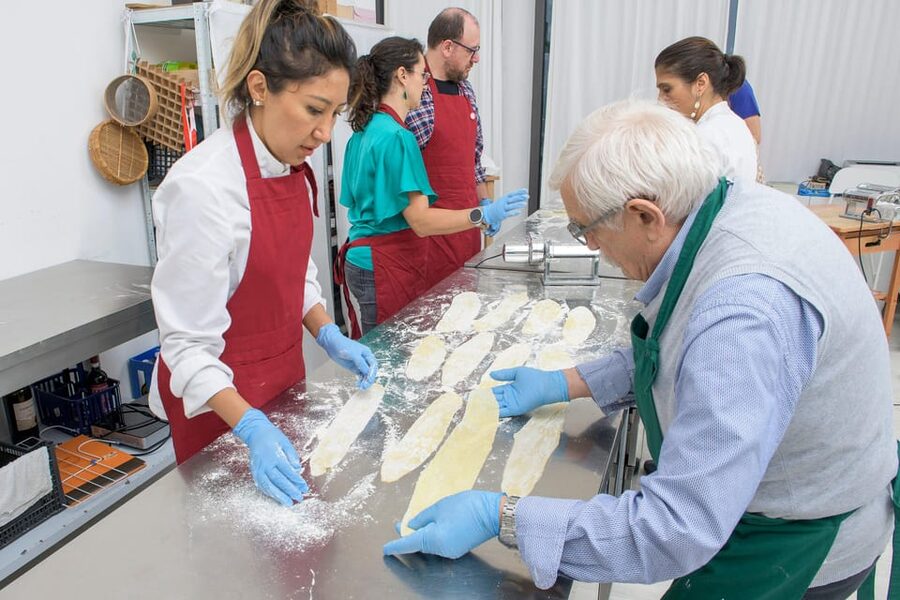
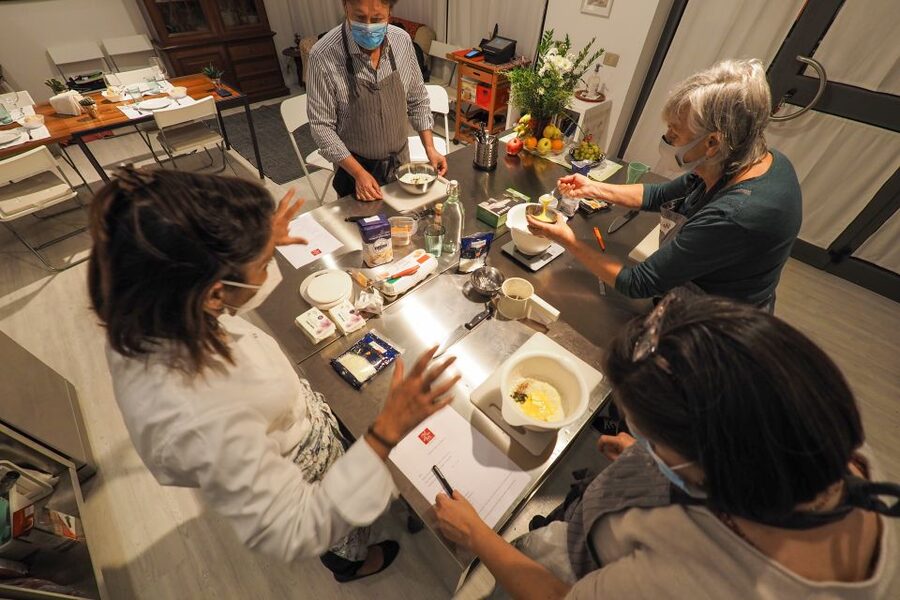
This is not a demonstration where you sit at the edge of a kitchen and watch a chef do all the work. You get your own personal workstation, cooking tools, gloves, and apron. The setup is practical, clean, and made for participation.
The class is held at Chef and the City, a street-level shop with three large windows and red signs above them. When you arrive, look for the name Chef and the City and ring the bell at the main windowed door. There is no private transportation included, so you need to make your own way there.
The cooking language is Italian and English. English-language instruction has been praised for being clear and easy to follow, which matters when the lesson moves quickly from kneading dough to chopping vegetables. If you are a beginner, you should be able to keep up, but you still need to listen closely and follow kitchen rules.
Those rules are sensible. You cannot eat, drink, or taste food while cooking. Long hair must be tied back, and luggage or large bags cannot enter the cooking area. It feels more like a working kitchen than a casual wine-and-snacks event, so arrive ready to take part.
More cellars and tastings:
- Milan: Pasta and Tiramisu Cooking Class with Wine
★ 4.8 · 1,106 reviews - Sirmione: Sunset Boat Cruise with Local Wine
★ 4.8 · 824 reviews - Gnocchi, Pasta, Tiramisù and Wine Class
★ 5.0 · 691 reviews
The first course: snacks, stories, and kitchen basics
The class often begins with light snacks while the chef introduces the plan. Expect items such as cheese, dried tomatoes, mortadella, olives, cookies, biscuits, sweets, coffee, tea, infusions, and water.
These are not the main event, but they help the group settle in. Cooking classes can feel awkward for the first ten minutes, especially if you arrive alone or are sharing a station with people you have just met. A few snacks and some conversation make the room more comfortable.
Chef Ilaria’s teaching style is one of the strongest parts of the class. She explains not only what to do but why a technique matters. You might hear about the background of a dish, the correct texture of pasta dough, or the difference between a traditional recipe and a version adapted abroad.
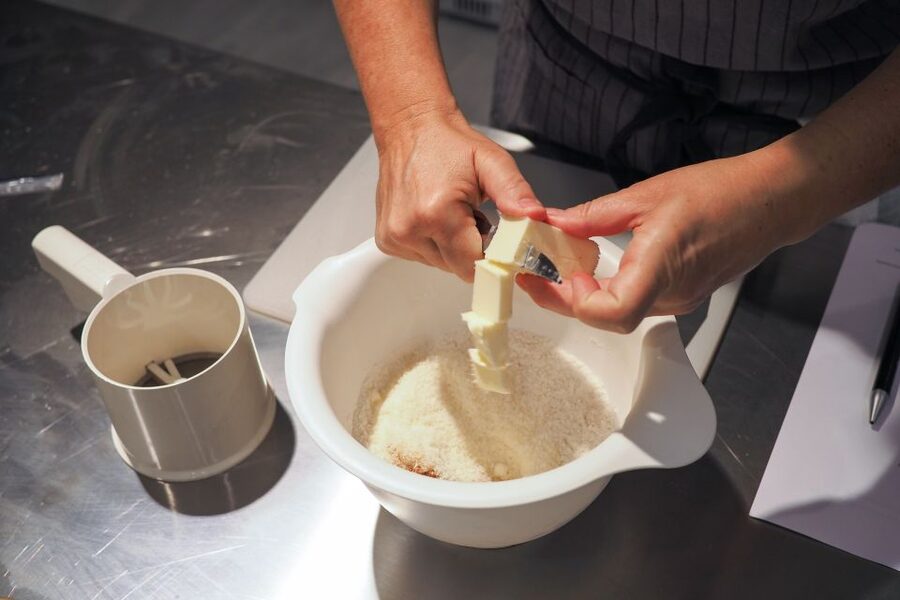
She is also willing to correct mistakes. That is useful in a pasta class, where flour, water, pressure, and timing can make the difference between supple dough and a sticky mess. Her approach is friendly but direct, especially when discussing Italian food customs. For instance, traditional carbonara is made without cream or bacon, and she is happy to explain why Italians object to calling altered versions carbonara.
That mix of instruction and cultural context gives the lesson more value than a simple recipe handout. You learn how Italian cooks think about ingredients, not just how to copy a list of steps.
Fresh pasta is the most useful skill to take home
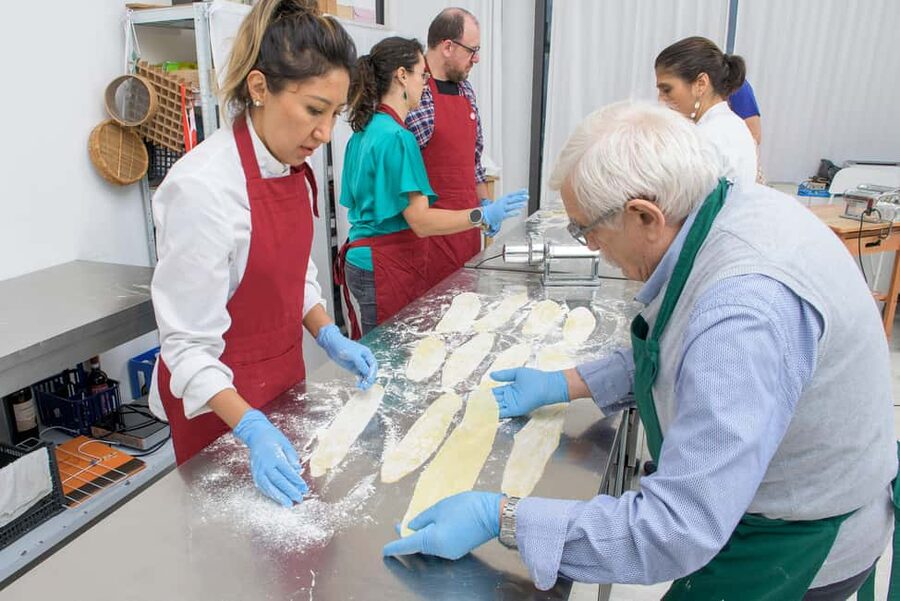
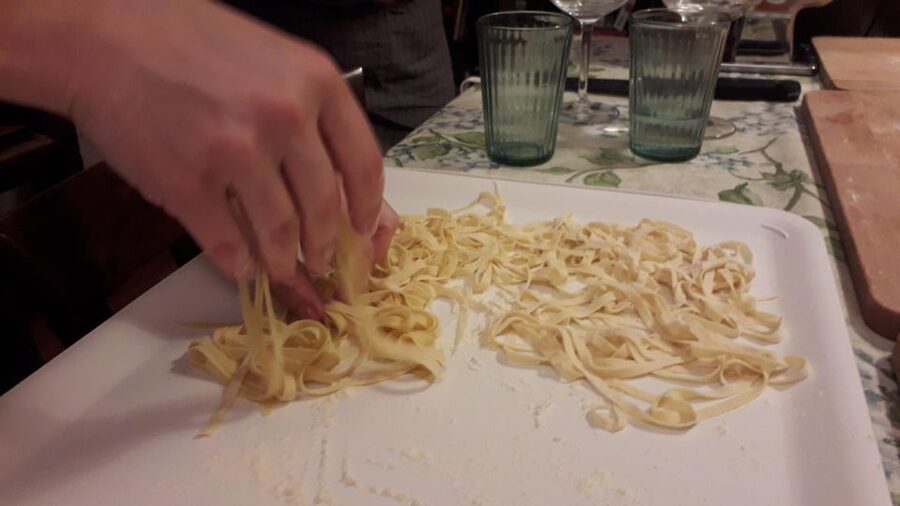
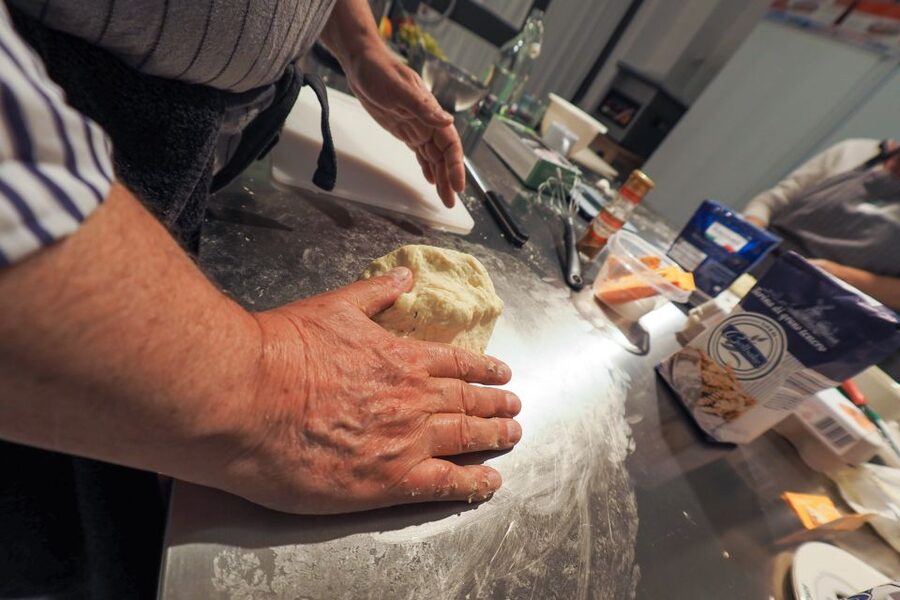
The pasta portion is usually the most hands-on part of the session. Depending on the menu, you may make tagliatelle, ravioli, gnocchi, or another fresh pasta shape. Several classes have included the chance to use a pasta machine, which is helpful if you are considering buying one for home.
Making pasta from scratch is not difficult once you understand the feel of the dough, but written recipes rarely explain that feel well. The chef can show you when the dough needs more kneading, when it is too wet, and how thin to roll it. That live correction is where much of the class’s practical value lies.
The pasta shape also changes the work. Tagliatelle teaches you to roll and cut evenly. Ravioli adds filling, sealing, and portion control. Gnocchi requires a lighter touch so the dumplings do not become heavy. If your class features one of these, pay attention to the small movements of the hands. They are easier to copy in person than from a video.
One useful detail is that the class does not always prepare every sauce from the beginning. Ragu and cacio e pepe may be supplied by the chef, with recipes provided for you to make at home. That is not quite a start-to-finish pasta lesson, but it is a sensible choice for a three-hour workshop. A proper ragu can take hours, and a rushed sauce lesson would leave less time for the pasta itself.
If you want to learn fresh pasta, this arrangement works well. If your main goal is to master several sauces from raw ingredients, check the menu available for your date before booking.
Appetizers and desserts keep the menu varied
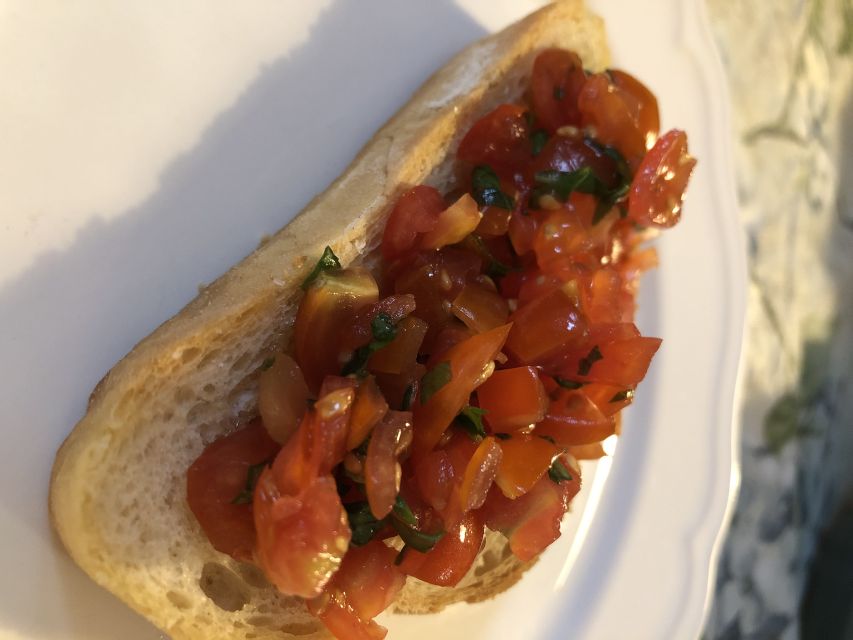
The class generally includes three dishes, often an appetizer, a main course, and a dessert. Bruschetta has appeared on several menus. It is a straightforward dish, but it teaches useful basics: how to season simply, how to balance tomato and bread, and how to avoid drowning the bread in moisture.
Other sessions have included eggplant parmigiana, focaccia, gnocchi, ravioli, apple strudel, tiramisù, and biscotti or cantucci. The variety is part of the fun, but it also means you should not book expecting one fixed menu unless the current schedule clearly states it.
Dessert is often a favorite because it gives the class a sweet finish and tends to be easy to recreate at home. Tiramisù also opens the door to a useful conversation about regional and family variations. One class member learned that traditional tiramisù is not prepared with amaretto, a point that may surprise cooks used to versions served elsewhere.
The dessert course can also be the least demanding part of the lesson. That is not a criticism. After working dough and preparing a meal, a manageable final dish helps the group finish on time.
More cooking classes:
- Milan: Pasta and Tiramisu Small Group Cooking Class with Wine
★ 5.0 · 660 reviews - Milan Cooking Class: Authentic Pizza & Gelato Making
★ 5.0 · 582 reviews - Small Group Cozy Cooking Class in a Typical Milanese Home.
★ 5.0 · 302 reviews - Learn to Cook Italian Recipes with an Italian Chef
★ 5.0 · 283 reviews
Sitting down to eat changes the whole evening
Once the cooking is finished, the group moves to the dining room and eats together. This is more than a reward for doing the work. It lets you see how the separate tasks fit together on a plate.
Wine is included, with red and white options served alongside the meal. Food and beverages are covered in the $80 price, as are kitchen tools, gloves, and aprons. You may also have coffee, tea, water, and light snacks during the class.
The shared meal gives the evening a social feel. People arrive with different cooking backgrounds and different reasons for booking, but sitting around one table creates an easy way to compare results and talk about Milan. Solo visitors can fit in comfortably, and couples or families can enjoy an activity that does not involve another restaurant meal.
The group size can vary. Some sessions have been intimate, even with only two participants, while others have brought together people from several countries. A small class gives you more direct attention. A larger group may feel livelier, but you could spend a little less time with the chef one-on-one.
The wine is a pleasant part of the meal, but pace yourself. You are handling kitchen equipment for much of the session, and the cooking comes before the drinking. Also remember that large bags and luggage are not allowed in the space.
What you actually learn from Chef Ilaria
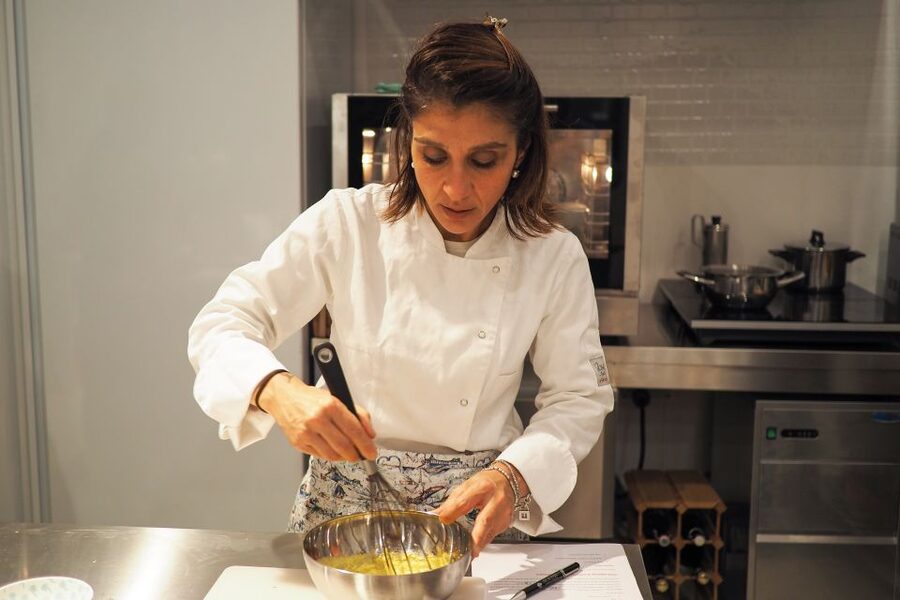
Chef Ilaria’s strongest contribution is her ability to explain the reasons behind a recipe. She covers cooking techniques, ingredient choices, food customs, and the small corrections that make a dish taste more Italian.
You may learn how to work pasta dough, use a pasta machine, shape a particular noodle, prepare a filling, or handle gnocchi without overworking it. You may also learn how to build an appetizer, organize several courses, and keep a kitchen clean while cooking.
Several sessions have been praised for their pace. Three courses sound like a lot in three hours, but the chef organizes the work so that waiting time and preparation time overlap. While one component rests or cooks, you can work on another.
The class also presents Italian cooking as healthy and low-waste. That does not mean every dish is light. Pasta, cheese, wine, and dessert are still part of the meal. The useful point is that the chef emphasizes sensible use of ingredients, practical portions, and methods that avoid throwing food away.
Dietary needs may be accommodated, but you should raise them before the class. One gluten-free participant was able to take part without losing the main cooking experience, and another session took food restrictions into account. Still, the available information does not promise a specific substitute for every allergy or diet, so ask ahead rather than relying on an adjustment at the door.
Is $80 a fair price in Milan?
At $80 per person, this class sits in a reasonable range for a three-hour food activity, especially because the price includes the food you prepare, wine, snacks, cooking equipment, gloves, and an apron. You also receive the recipes, which gives the class value after you leave Milan.
The important comparison is not just the number of dishes. It is how much participation you get. If you want a meal with no effort, a restaurant is simpler. If you want a practical skill, social time, and a meal at the end, the class makes better use of the money.
The value is strongest for people who will actually cook the recipes at home. Fresh pasta is the obvious example. You may need a pasta machine later, but the class lets you test the technique before buying one. The recipes also help you recreate sauces and desserts that were not fully cooked from the beginning during the workshop.
The value is less clear if you expect a private lesson or a fixed menu. The class is shared, and the dishes can change. You may also prepare components rather than every part of every sauce. That is normal for a short group class, but it is worth knowing before you arrive.
Who should book this class?
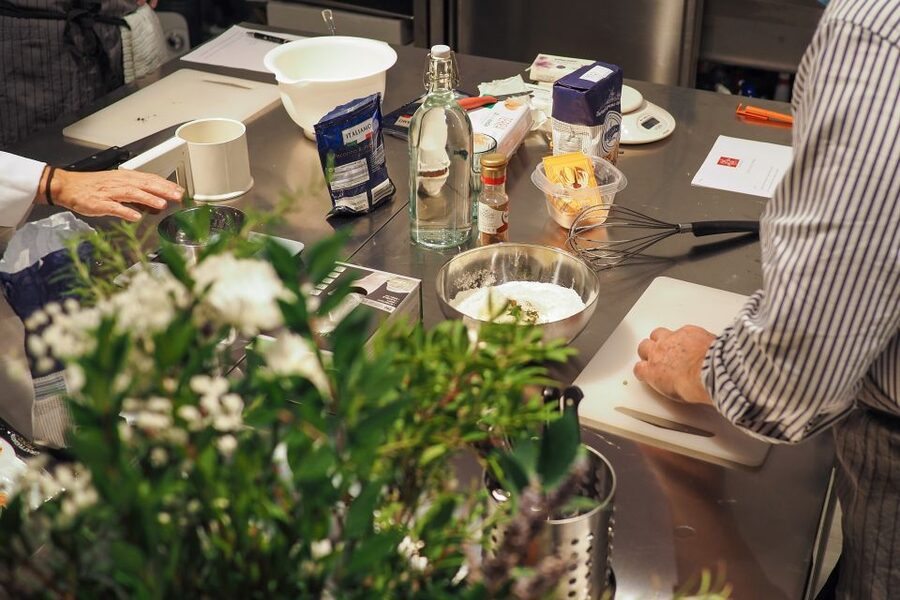
I would choose this for a first-time cook who wants clear guidance without a stiff classroom atmosphere. You do not need advanced skills, and the chef’s corrections can help you avoid the common mistakes that are hard to spot on your own.
It also suits a couple, a family with older children, or a solo visitor who wants an evening with some human contact. Since children under 10 are not allowed, this is not a good choice for families with young children. People with mobility impairments should also note that the activity is not suitable for them.
Food lovers who already cook will still find value in the pasta work and the Italian rules around dishes such as carbonara and tiramisù. You may not learn an entirely new cooking method in every course, but you can pick up better habits and useful explanations.
I would be less eager to recommend it to someone seeking an advanced regional study of Lombard cuisine. The menu can include many well-known Italian dishes, and the class aims for broad appeal rather than a narrow focus on Milanese cooking.
Practical details that matter
The class lasts three hours, with starting times available according to the date you choose. Since the activity takes place in a professional cooking lab, arrive on time and wear clothing you can work comfortably in. Long hair must be tied back.
Smoking and pets are not allowed. Neither are luggage or large bags, and there is no luggage storage listed, so plan your day accordingly. Private transportation is not included.
Cancellation is flexible up to 24 hours before the start time for a full refund. You can also reserve and pay later, which helps if your Milan plans are still moving around.
The meeting place is easy to identify from the street: a shop with three large windows and three red signs carrying the Chef and the City name. Ring the bell at the main windowed door when you arrive.
Final verdict: book it if you want to cook, not just eat
I recommend this Milan cooking class if you want fresh pasta practice, a friendly teacher, and a meal with wine at the end. Chef Ilaria’s humor, clear explanations, and attention to technique give the class a warm feel without losing its practical side.
Book it especially if you want recipes you can use at home. The best memory may not be the meal itself, but the moment you realize you can make pasta dough, roll it, shape it, and serve it without a restaurant kitchen.
Go in with realistic expectations. The menu may change, and some sauces may be prepared in advance. If that sounds like a fair trade for learning several techniques and enjoying a social Italian meal, $80 is a sensible spend in Milan.
FAQ
How long does the Milan Italian cooking class last?
The class lasts three hours.
What dishes might I prepare?
The menu can include fresh tagliatelle, gnocchi, ravioli, cacio e pepe, ragu, focaccia, eggplant parmigiana, bruschetta, tiramisù, biscotti, cantucci, and other Italian dishes. The exact selection can vary.
Is wine included in the price?
Yes. Wine is included, along with the food, other beverages, cooking tools, gloves, and aprons.
Will I receive the recipes?
Yes. The chef provides copies of the recipes so you can prepare the dishes at home.
What language is the class taught in?
The experience is offered in Italian and English.
Are children allowed to attend?
Children under 10 are not permitted.
Can I bring luggage or a pet?
No. Pets, smoking, luggage, and large bags are not allowed in the cooking space.
More Food in Milan
- Milan: Navigli Food & Drinks Tour with Eating Europe
★ 5.0 · 394 reviews - Lazise: Winery Tour with Garda Wines and Food Tasting
★ 4.8 · 278 reviews - Delicious! Milan’s Favorite Food Tour
★ 5.0 · 268 reviews - Milan Centre Food Tour of 7+ Italian Tastings with Risotto & Wine
★ 5.0 · 264 reviews
More Food & Drink in Milan
- Milan’s Authentic Street Food tour: A Gourmet Experience
★ 4.5 · 717 reviews - Small-Group Barolo Wine Tasting, Alba & UNESCO Piedmont Hills
★ 5.0 · 689 reviews - Milan: Guided Street Food Walking Tour with Food Tasting
★ 4.8 · 654 reviews - Milan: Sunset Navigli Food & Drinks Tour by Do Eat Better
★ 4.5 · 517 reviews
Just added around Milan
- Milan: Food Tour with Pasta, Pizza, Cannoli, and Tiramisu!★ 4.3 · 3 reviews
- Varenna Walking Tour and Cooking Class★ 5.0 · 3 reviews
- 1-Day Personal Fashion Styling Course for Women★ 5.0 · 3 reviews
- Walking Tour in Lake Como with Lierna Cooking Class★ 5.0 · 3 reviews
- Milan: 4-Hour Art and History Private Walking Tour★ 5.0 · 3 reviews
- Private Wine Tasting in Bellagio with Chef Luigi Gandola★ 5.0 · 3 reviews
- Mantova: Private Walking Tour★ 4.3 · 3 reviews
- Wine and Food tasting PRIVATE Guided Tour★ 5.0 · 3 reviews
Cooking Classes, compared.
Pasta and Tiramisu Small Group Cooking Class with Wine
Read our review →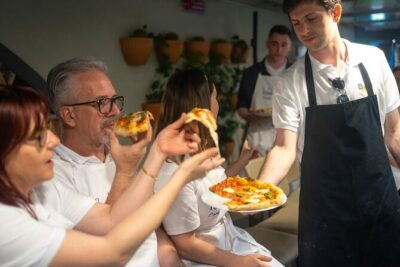
Milan Cooking Class: Authentic Pizza & Gelato Making
Read our review →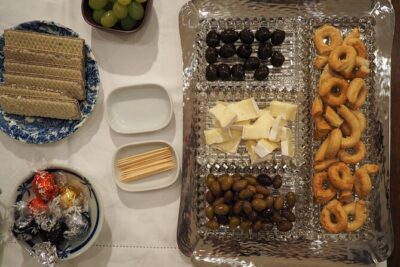
Learn to Cook Italian Recipes with an Italian Chef
Read our review →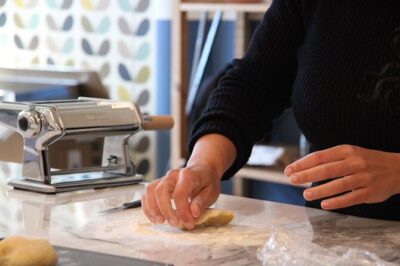
Cooking Class : Fresh pasta and TIRAMISÙ with Lake Garda wines
Read our review →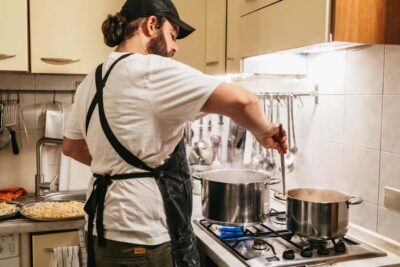
Pasta & Tiramisu Cooking Class with Premium Products
Read our review →
Choose three recipes to cook from all the traditional cuisine
Read our review →
3-Recipe Italian Cooking Class in Como – Cesarine Best NYT Hosts
Read our review →Browse the lists this tour appears in