
Reviewed · COOKING CLASSES
Learn to Cook Italian Recipes with an Italian Chef
The most appealing part of this Milan cooking class is the surprise menu. Instead of repeating the same fixed dishes, Chef Ilaria chooses from Italian favorites such as bruschetta, focaccia, eggplant parmigiana, gnocchi, tagliatelle, ravioli, tiramisu, and cantucci. You learn the method behind each dish, not just how to copy a recipe. Every participant cooks, and the class ends with a shared meal.
I like the direct, patient teaching and the chance to make pasta by hand. I also like the useful extras: an apron, cooking equipment, Italian welcome snacks, water, coffee or tea, wine with the meal, and printed recipes for home. The main consideration is that the open class has a shared menu and shared pace. If you want a particular dish, unlimited wine, or a private lesson, this may not be the right fit.
In This Review
- Key points at a glance
- Making Italian food instead of just eating it
- Arriving at Chef and the City
- The welcome: snacks, tools, and a relaxed start
- Starter course: from bruschetta to eggplant parmigiana
- Handmade pasta and dumplings
- Dessert: tiramisu, cantucci, or a Milanese specialty
- Sitting down to eat the three-course meal
- What the price includes at $82.27
- Who will enjoy this class most
- Practical booking advice for Milan
- Should you book Learn to Cook Italian Recipes with an Italian Chef?
- FAQ
- Where does the cooking class take place?
- Where does the activity end?
- How long does the experience last?
- What language is the class offered in?
- What dishes will I cook?
- Can I choose the menu?
- Is a meal included?
- Is wine included?
- Are cooking tools and an apron provided?
- Can I bring luggage or an animal?
- What happens if I need to cancel?
Key points at a glance
- A changing three-course menu: You learn the dishes selected that day, rather than cooking from a fixed menu.
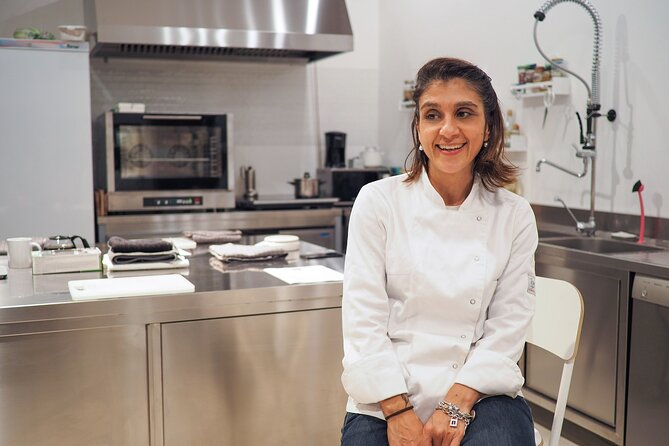
- Chef-led, hands-on instruction: Chef Ilaria and her team explain how, when, and why each step matters.
- Pasta is often the star: Possible dishes include gnocchi, tagliatelle, ravioli, or other handmade pasta.
- A meal is built into the lesson: You sit down together afterward to eat the food you prepared with Italian wine.
- Good value at $82.27: The price includes the class, tools, apron, food, drinks listed, and recipes.
- Plan for a shared class: Groups can reach 20 people, though some sessions are much smaller.
Making Italian food instead of just eating it
Milan has no shortage of restaurants, but a cooking class gives you a different way into Italian food. You handle the dough, learn how a sauce comes together, and see why a simple ingredient can carry an entire dish.
This class is built around three courses: a starter, a first course, and dessert. The exact menu is not announced in advance. That can be a pleasant surprise, especially if you enjoy learning dishes you might not have chosen from a restaurant menu. It also means you should not book this class expecting to make one specific recipe.
The teaching focuses on how, when, and why. That matters. A recipe tells you quantities, but a good lesson also explains what the dough should feel like, when a sauce is ready, and how ingredients work together. The class is designed for active participation, so you should expect to chop, mix, shape, assemble, and ask questions rather than sit back and watch a demonstration.
Chef Ilaria receives the strongest praise for her warmth, humor, patience, and energy. Alessandro and Dalia have also led sessions, so the instructor may vary. The class is offered in English, and I would expect the cooking terms and explanations to be handled for an international group.
More cooking classes:
- Milan: Pasta and Tiramisu Cooking Class with Wine
★ 4.8 · 1,106 reviews - Milan: Pasta and Tiramisu Small Group Cooking Class with Wine
★ 5.0 · 660 reviews - Milan Cooking Class: Authentic Pizza & Gelato Making
★ 5.0 · 582 reviews
Arriving at Chef and the City
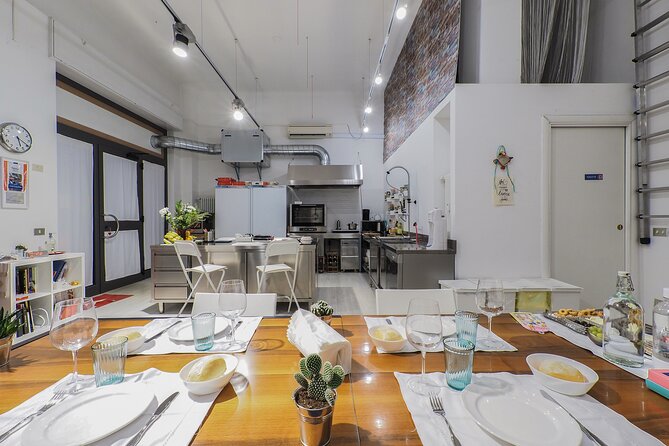
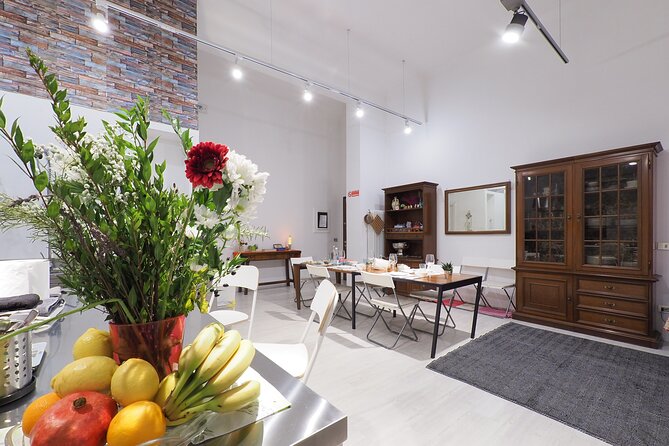
The meeting point is Via Laura Ciceri Visconti 4, 20137 Milan, and the activity returns to the same location. The laboratory is at street level, with three windows marked by the red Chef and the City sign. Ring the front door bell when you arrive.
This is not a sightseeing tour, so allow time to find the address without expecting a major landmark or hotel-style entrance. The venue is near public transportation, which helps if you are crossing Milan before the class.
There are two practical rules to remember. Animals are not allowed, and smoking is prohibited. Most important, do not arrive with luggage. Luggage storage is not provided, and bags cannot be carried into the laboratory. If you are using the class between hotel checkout and an evening flight, arrange a separate place for your bags first.
The start time matters too. The experience lasts about three hours, and the cooking is coordinated as a group. Arrive ready to begin rather than planning to slip in late.
The welcome: snacks, tools, and a relaxed start
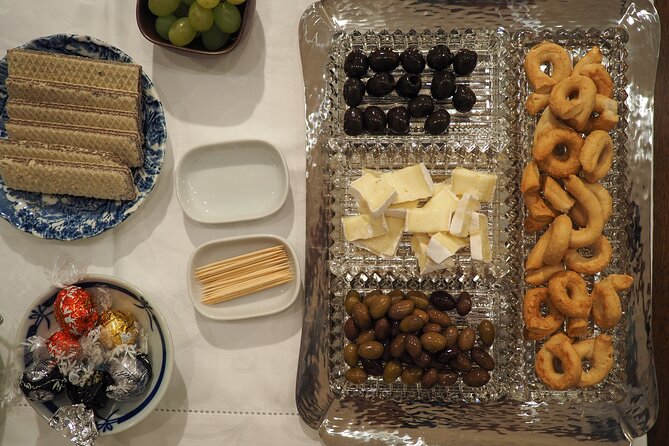
The class begins with Italian-style welcome snacks and refreshments. Bottled natural and sparkling water are included, along with coffee and a selection of teas and infusions.
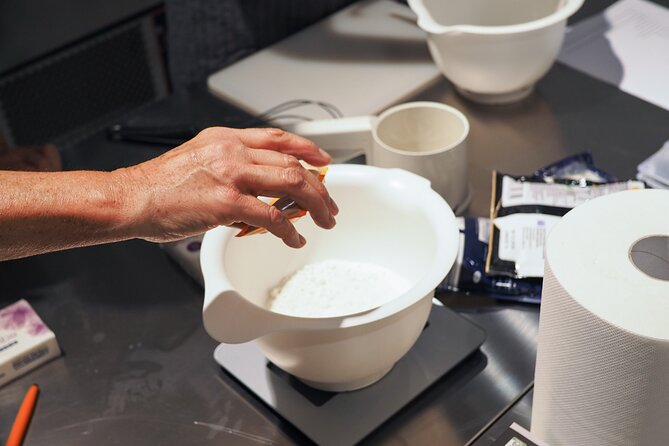
You receive an apron, and the cooking tools are provided. That makes this easy to fit into a day of sightseeing. You do not need to pack special equipment or dress for a professional kitchen.
The tone is intended to be professional but relaxed. You can ask questions and take notes while working. The class also brings together people from different countries, which adds a social side without making the cooking feel like a formal lecture.
Group size is capped at 20. That is a reasonable maximum for a workshop, but it is not the same as a private class. Some sessions have been much smaller, including a class of eight and occasional private or near-private situations when other bookings canceled. You should treat a small group as a bonus, not a promise.
Starter course: from bruschetta to eggplant parmigiana
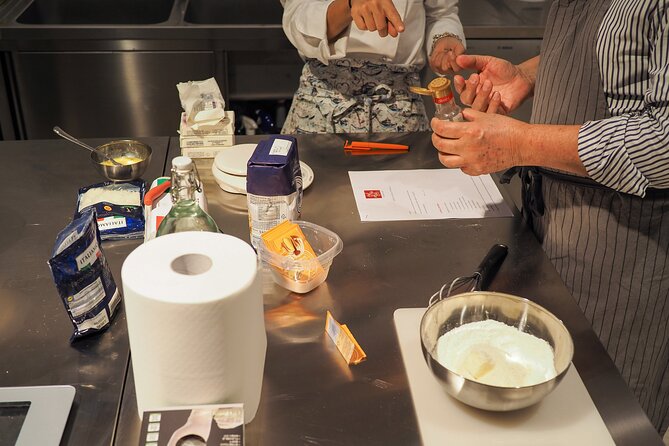
The opening dish might be bruschetta, focaccia, eggplant parmigiana, chickpea balls, or another Italian appetizer. The useful point is that the food is made from scratch and by hand.
A starter course gives the chef room to explain simple techniques that you can repeat at home. You might work with bread, vegetables, legumes, or baked ingredients. One reported menu paired a chickpea appetizer with potato-filled ravioli and biscotti, while another included bruschetta, gnocchi, and cantucci. Eggplant parmigiana has also appeared.
That variety reflects the class format. The sample menu is a guide to the type of food, not a promise of what will be served. Read that detail carefully before booking. The changing menu is part of the appeal, but it can disappoint if you arrive set on making focaccia or tiramisu.
The class aims for traditional, approachable cooking rather than elaborate restaurant plating. One criticism was that a dish tasted too mild for a serious food enthusiast. If you prefer bold seasoning, you can ask questions about salt, chili, herbs, and regional variations as the dish is prepared. One participant specifically suggested using less chili flakes, so seasoning may not suit every palate exactly.
A different sort of day out, same corner of Lombardy:
- Milan: Cathedral and Duomo’s Terraces Entrance Ticket
★ 4.6 · 61,054 reviews - From Milan: Como & Bellagio with Private Lake Como Cruise
★ 4.6 · 9,788 reviews - Milan: City Sightseeing Hop-On Hop-Off Bus with Audio Guide
★ 4.0 · 6,256 reviews - Milan Cathedral: Duomo Terraces Ticket (No Church Access)
★ 4.6 · 6,111 reviews
Handmade pasta and dumplings
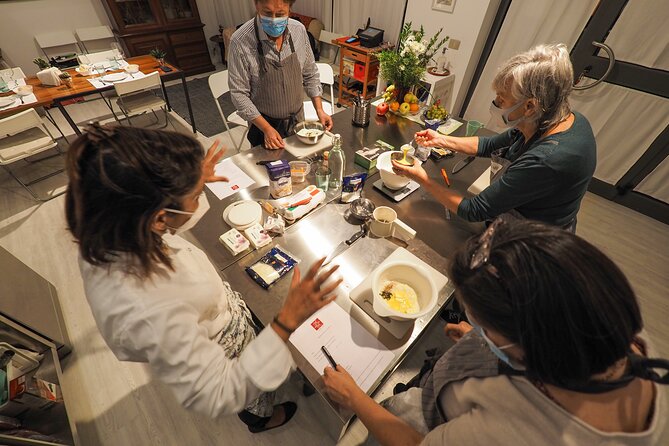
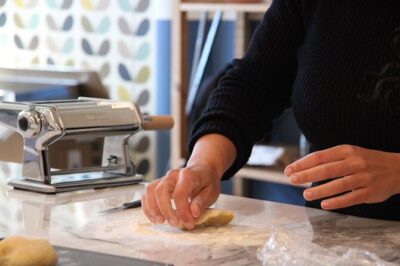
The first course is usually the most hands-on part of the lesson. You may make gnocchi, tagliatelle, ravioli, or another fresh pasta, then prepare a dressing or sauce together.
This is where the class earns much of its practical value. Fresh pasta can seem fussy at home, but the process becomes less mysterious once you work the dough and shape it yourself. Gnocchi offers a different lesson in texture and handling. Ravioli adds filling and sealing. Tagliatelle teaches you how thin and even the pasta should be before cutting.
The class does not simply hand you a bowl of pasta at the end. You take part in the preparation with the chef’s direct help. That is useful for first-time cooks, while more experienced home cooks can focus on technique and timing.
Several menus have included gnocchi, and it receives particularly strong praise. Another session featured potato-stuffed ravioli. You may also find that the ingredients and sauce change from one class to another, which keeps the experience from feeling mechanical.
The shared format has one tradeoff. Everyone needs to move through the same steps together. Chef Ilaria has explained that she pauses when side conversations make instructions hard to hear. That can feel strict if you want a noisy social evening, but it also helps ensure that every person receives the directions. You will get the most from the class if you listen during explanations and save longer conversations for the hands-on work and meal.
Dessert: tiramisu, cantucci, or a Milanese specialty
Dessert may be tiramisu, Tuscan cantucci, Milanese pan meino, chocolate tortini, or another traditional sweet.
Tiramisu is the most familiar option, but cantucci and pan meino can offer more local character. Pan meino is a traditional Milanese cake, so it connects the cooking lesson directly to the city rather than to the general idea of Italian food.
Dessert also gives the class a calmer finish. After the pasta and starter, you can focus on texture, mixing, baking, or assembly. One class included biscotti cantucci, and another featured amaretti. The recipes are supplied afterward, so you can repeat the dessert without relying on memory.
If you have children or teenagers in your group, this part can be especially useful because the class includes varied tasks and a clear reward at the end. The experience has worked for mixed ability levels, from people with little cooking experience to confident home cooks.
Sitting down to eat the three-course meal
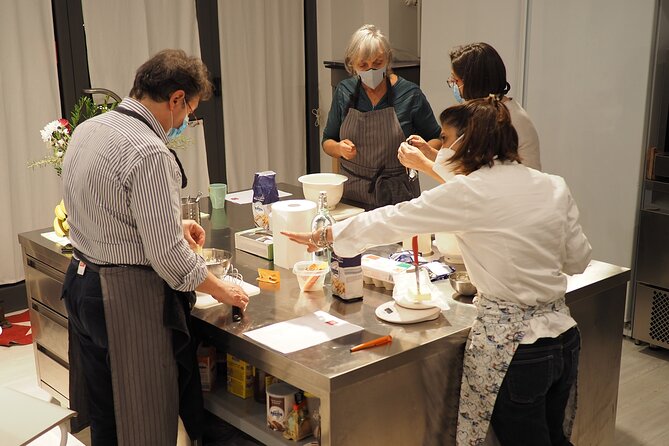
When the cooking is finished, the class becomes dinner. You sit together and eat the starter, first course, and dessert prepared during the session.
That shared meal is more than a convenient ending. It lets you taste the results while the cooking is still fresh in your mind. You can compare the texture of your pasta with what you expected, notice how the sauce works, and ask final questions.
Italian wine is included with the meal, along with water. The wine arrangement deserves a clear explanation. It is shared at the table, described as one bottle for every three people, rather than unlimited wine throughout the class. Extra wine can be purchased separately. If wine tasting is your main goal, this is not a wine-focused event. It is a cooking class with wine served alongside dinner.
The food is generally intended to be simple and traditional. That is a strength if you want recipes you can make at home, but it may feel less exciting to someone seeking ambitious restaurant cuisine. The class is about learning useful Italian cooking habits, not about tasting a parade of luxury ingredients.
What the price includes at $82.27
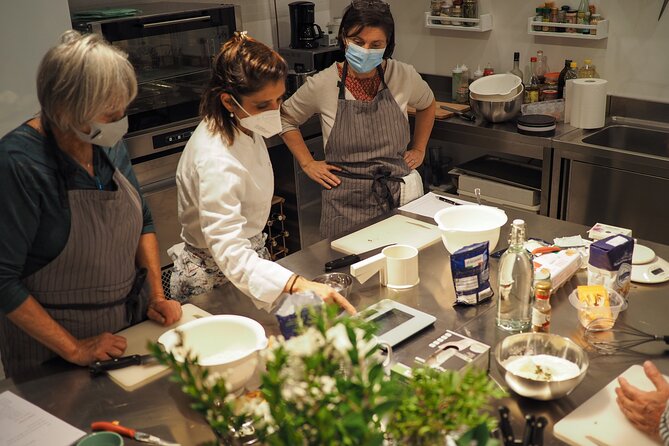
At $82.27 per person, the price is fair for a three-hour class that includes food, equipment, an apron, and a sit-down meal. You are not paying only for a demonstration. You are paying for instruction, ingredients, kitchen use, the labor of preparing three courses, and the social meal afterward.
The included drinks add value: Italian wine and spirits are listed, as well as bottled water, coffee, and tea. The welcome snacks are useful if you arrive hungry, although I would not treat them as a separate meal.
The recipes may be the most lasting part of the purchase. A restaurant dinner ends when you leave. Here, you take home instructions for the dishes you made and can cook them for friends and family.
The value is strongest for people who want an activity as well as lunch or dinner. If you only want the cheapest way to eat in Milan, a cooking class is not the answer. If you want a practical memory and skills you can use again, the cost makes more sense.
Who will enjoy this class most
I would recommend it to first-time pasta makers, couples, families with older children or teenagers, and solo visitors who enjoy meeting people around a table. The cooking is active but not presented as advanced, and the chef’s direct help makes it suitable for mixed skill levels.
It also works well for a Milan day when you want a break from museums and shopping. One participant chose the class while waiting for a flight and received a memorable meal and recipes to take home. The same person also heard family stories about the chef’s grandmother, an element that adds a personal touch to the food.
You should think twice if you need a fixed menu. You should also look elsewhere if you want a private class, a quiet wine tasting, or a highly technical lesson aimed at professional cooks. A group of up to 20 can be friendly and lively, but it may not provide constant one-to-one attention.
Food allergies and dietary needs should be raised before booking. A gluten allergy was accommodated in one case, but the supplied details do not promise that every restriction can be handled. Ask in advance rather than hoping the kitchen can change the menu at the last moment.
Practical booking advice for Milan
The experience is often booked about 25 days ahead, so reserve early if your Milan schedule is tight. Confirmation arrives at booking, and the activity is offered in English with a mobile ticket.
The cancellation policy is simple: you receive a full refund if you cancel at least 24 hours before the local start time. Changes or cancellations inside that window are not accepted for a refund. The class also requires a minimum number of participants. If that minimum is not reached and the class is canceled, you are offered another date or experience, or a full refund.
Give yourself extra time to reach Via Laura Ciceri Visconti 4, particularly if you are unfamiliar with Milan’s public transportation. Since the class returns to its starting point, it is easy to plan the rest of your day afterward, but do not schedule a flight or important appointment too tightly after the three-hour estimate.
Should you book Learn to Cook Italian Recipes with an Italian Chef?
Book this experience if you want to learn by doing, eat a homemade Italian meal, and leave with recipes you can use again. The strongest reasons are the hands-on pasta work, Chef Ilaria’s friendly teaching style, the changing menu, and the solid amount included for the price.
Go in with the right expectations. You will not choose the menu, the wine is shared rather than unlimited, and the class may include a fairly full group. For most visitors, those are manageable tradeoffs for an affordable, social cooking lesson in Milan. If you are flexible about the dishes and willing to work at the group’s pace, this is a useful and enjoyable way to spend three hours.
FAQ
Where does the cooking class take place?
The class takes place at Chef and the City, Via Laura Ciceri Visconti 4, 20137 Milan, Italy.
Where does the activity end?
The activity ends back at the same meeting point.
How long does the experience last?
The cooking class lasts approximately three hours.
What language is the class offered in?
The experience is offered in English.
What dishes will I cook?
You prepare a starter, a first course, and a dessert. The exact dishes are chosen during class. Examples include bruschetta, focaccia, eggplant parmigiana, chickpea appetizers, gnocchi, tagliatelle, ravioli, tiramisu, cantucci, pan meino, and chocolate tortini.
Can I choose the menu?
No. The menu is not fixed in advance, and participants discover what they will prepare during the class.
Is a meal included?
Yes. The experience ends with a meal made from the dishes prepared during the class.
Is wine included?
Italian wine is included with the meal. Wine is shared at a stated rate of one bottle for every three people. Additional wine can be purchased separately.
Are cooking tools and an apron provided?
Yes. Each participant receives an apron, and the cooking tools needed for the course are provided.
Can I bring luggage or an animal?
No. Luggage cannot be brought into the laboratory, and luggage storage is not provided. Animals are not allowed.
What happens if I need to cancel?
You can receive a full refund by canceling at least 24 hours before the experience start time. Cancellations or changes made less than 24 hours before the start are not accepted for a refund.
Just added around Milan
- Milan: Food Tour with Pasta, Pizza, Cannoli, and Tiramisu!★ 4.3 · 3 reviews
- Varenna Walking Tour and Cooking Class★ 5.0 · 3 reviews
- 1-Day Personal Fashion Styling Course for Women★ 5.0 · 3 reviews
- Milan: 4-Hour Art and History Private Walking Tour★ 5.0 · 3 reviews
- Private Wine Tasting in Bellagio with Chef Luigi Gandola★ 5.0 · 3 reviews
- Walking Tour in Lake Como with Lierna Cooking Class★ 5.0 · 3 reviews
- The art of the Italian Aperitivo with a local: Learn & Enjoy in Milan★ 4.5 · 3 reviews
- Mantova: Private Walking Tour★ 4.3 · 3 reviews
Cooking Classes, compared.
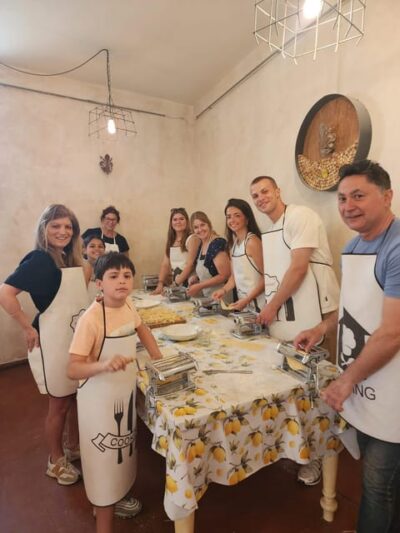
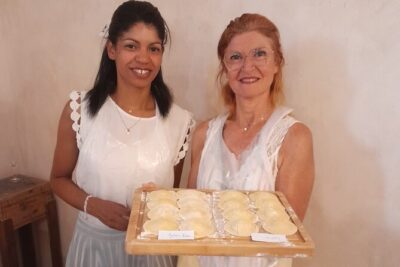
Pasta and Tiramisu Small Group Cooking Class with Wine
Read our review →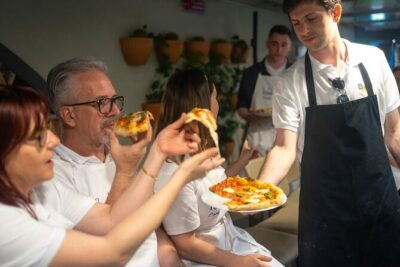
Milan Cooking Class: Authentic Pizza & Gelato Making
Read our review →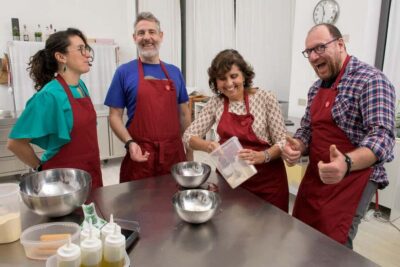
Cooking Class : Fresh pasta and TIRAMISÙ with Lake Garda wines
Read our review →
Pasta & Tiramisu Cooking Class with Premium Products
Read our review →
Choose three recipes to cook from all the traditional cuisine
Read our review →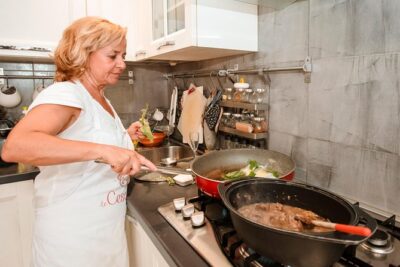
3-Recipe Italian Cooking Class in Como – Cesarine Best NYT Hosts
Read our review →Browse the lists this tour appears in