
Reviewed · LA SCALA OPERA HOUSE
Milan: Entrance Ticket to La Scala Theatre Museum
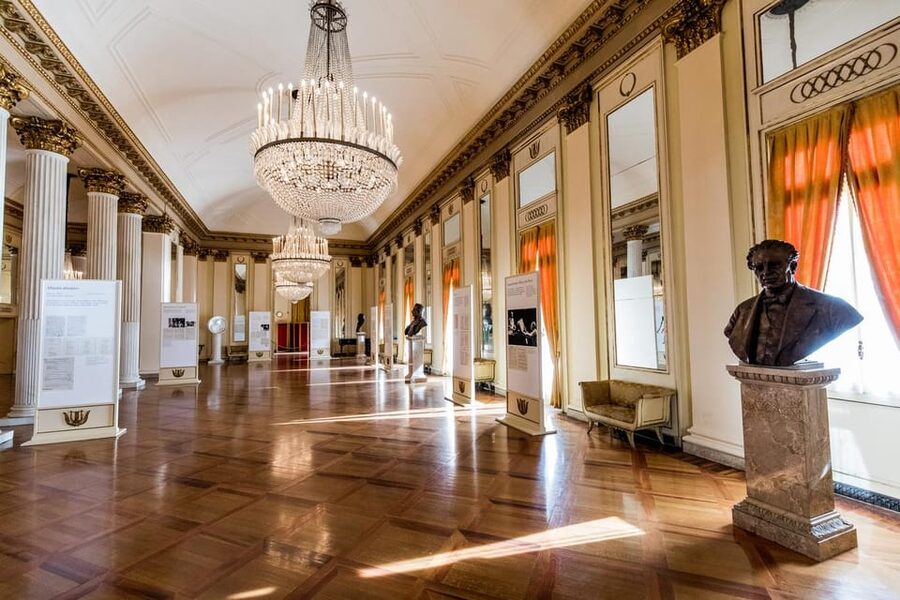
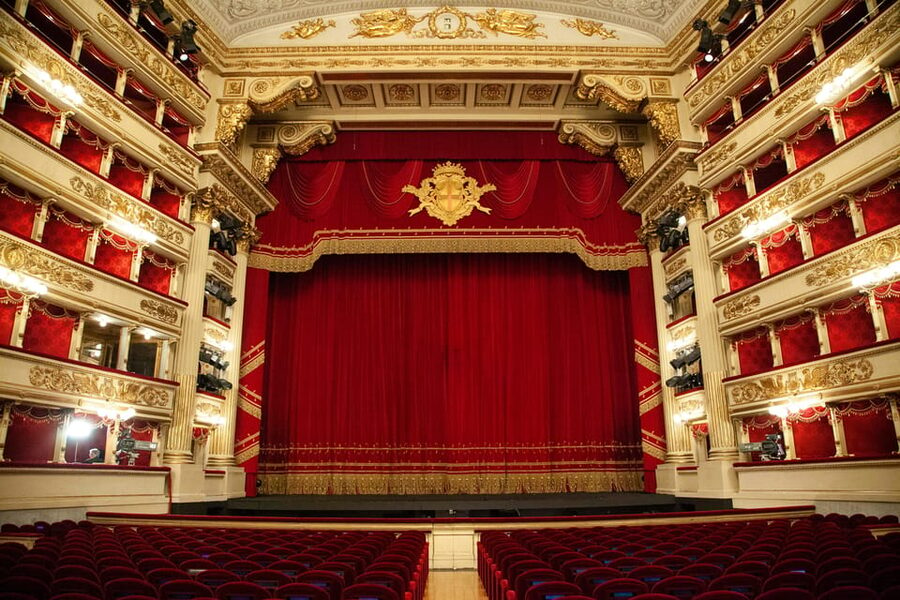
La Scala’s greatest surprise is often the auditorium itself. From the museum, you may get a view into the elegant red-and-gold theatre where Verdi, Rossini, Callas, and Pavarotti helped shape opera history. That glimpse can be more memorable than the displays, so check the theatre lighting before you go.
I like the central location, just steps from Milan Cathedral and the Galleria Vittorio Emanuele II. I also like the mix of costumes, set designs, musical instruments, portraits, and performance material, which gives the museum more substance than a quick photo stop. The main catch is that access to the auditorium can vary, especially during rehearsals, and unclear directions about the skip-the-line entrance can cause a little confusion.
In This Review
- Key points to know before visiting La Scala
- Why La Scala is worth an hour in central Milan
- Entering the Teatro alla Scala Museum
- The first look inside La Scala’s auditorium
- Costumes and stage designs that explain opera production
- Instruments, portraits, and the people behind the stage
- Using the seven-language app audioguide
- How much time to allow
- The value of the $17 ticket
- Who should book this experience
- Practical ways to get more from your visit
- Should you book La Scala Theatre Museum?
- FAQ
- How much does the La Scala Theatre Museum ticket cost?
- How long is the ticket valid?
- What does the ticket include?
- Is the audioguide available in several languages?
- Can I see the La Scala auditorium?
- Can I watch an opera or ballet with this ticket?
- Is La Scala Theatre Museum accessible to wheelchairs and strollers?
- Can I bring luggage or a large backpack?
- Can I cancel the booking?
Key points to know before visiting La Scala
- The auditorium view is the main prize: Check the lighting schedule before your visit for the clearest look inside the theatre.
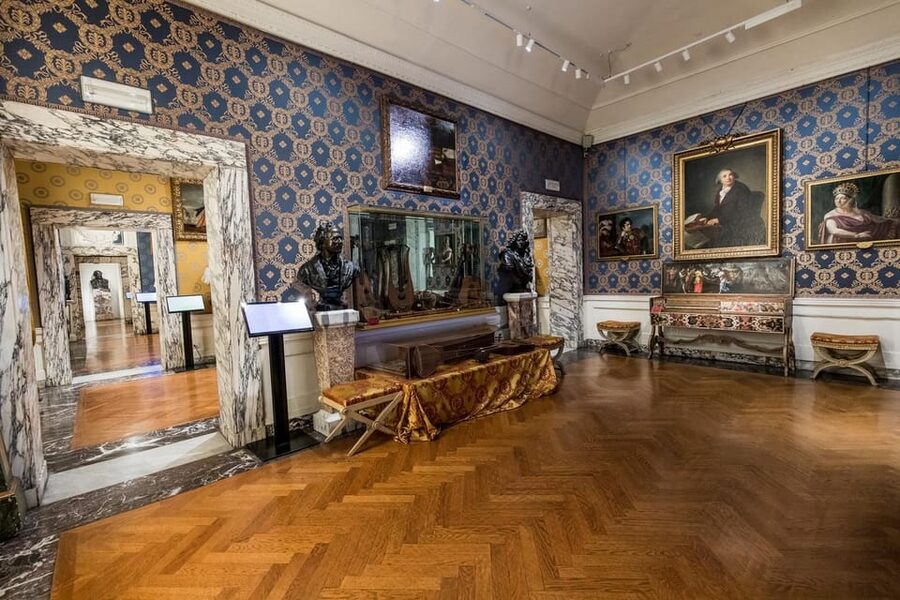
- The museum goes beyond costumes: You’ll see instruments, stage designs, posters, portraits, busts, and visual material about famous productions.
- A one-day ticket fits easily into central Milan: La Scala is close to the Duomo and Galleria, so it works well between major city sights.
- An app audioguide is included: You can download it at the museum in one of seven languages.
- Rehearsals may affect your view: You might see a ballet or opera rehearsal, or only the auditorium from higher seats.
- Plan around your bags: Large backpacks and luggage must go to the cloakroom, and the venue is accessible to wheelchairs and strollers.
Why La Scala is worth an hour in central Milan
La Scala is not simply a theatre with a few display cases attached. It is one of Milan’s most important cultural addresses, and the museum gives you a compact way to understand why the venue matters.
The theatre opened more than 200 years ago and has welcomed major composers, singers, conductors, and dancers. Names connected with La Scala include Giuseppe Verdi, Gioachino Rossini, Luciano Pavarotti, and Maria Callas. You will not attend a full opera with this ticket, but the museum helps you picture the productions, personalities, and backstage work that made the theatre famous.
I find this kind of visit especially useful when you cannot get an opera ticket. A performance at La Scala can be expensive and requires planning around a fixed date. The museum offers a far simpler introduction, with the added possibility of seeing the auditorium itself.
The visit is also easy to fit into a busy Milan day. From the Duomo, walk only a short distance to the theatre. The Galleria Vittorio Emanuele II is nearby, too, so you can combine La Scala with the cathedral, the shopping arcade, and central Milan without arranging transport.
More La Scala visits and opera nights:
- Milan’s Must See: Half-Day Tour of Last Supper, Duomo & La Scala
★ 4.0 · 4,193 reviews - Milan: La Scala Theater & Museum Guided Experience
★ 4.1 · 2,931 reviews - Milan: La Scala Theater and Museum Tour with Entry Tickets
★ 4.7 · 1,722 reviews
Entering the Teatro alla Scala Museum
Your ticket is valid for one day, with the available starting times shown when you check dates. It is designed as a self-guided museum visit rather than a traditional walking tour with a fixed group and live commentary.
The skip-the-line benefit can save time, but pay attention when you arrive. Instructions about where to go for this entry are not always obvious at the door. If you are unsure, ask the staff directly which entrance or queue applies to your ticket. That small step can prevent you from waiting in the wrong place.
Large luggage and big bags are not allowed in the museum galleries. Backpacks and other large items must be checked at the cloakroom, so arrive with only what you need for the visit. This matters if you are touring Milan between train connections or hotel checkouts.
The museum and theatre are wheelchair accessible, and strollers are also permitted. That makes this a practical cultural stop for families and visitors who need step-free access.
The first look inside La Scala’s auditorium
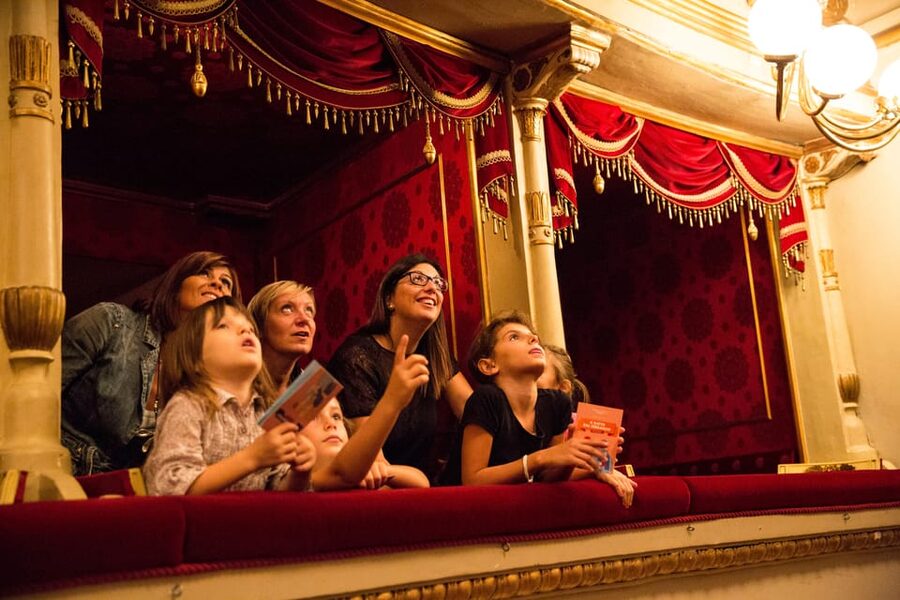
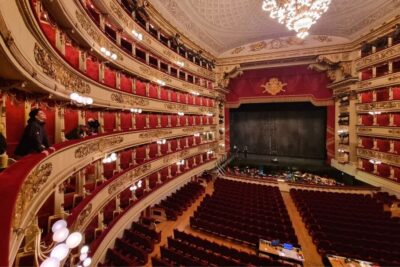
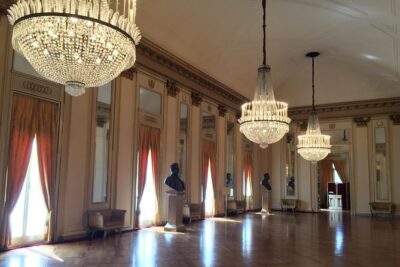
The auditorium is the emotional center of the visit. Its formal interior gives you a sense of the setting in which generations of performers appeared, even when no opera is scheduled.
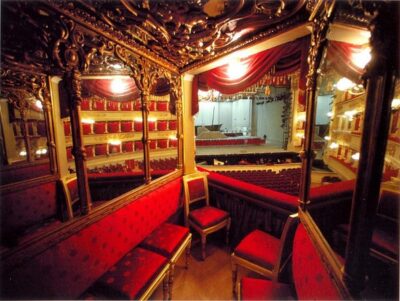
The exact view depends on theatre activity and lighting conditions. On some visits, you may be able to look into the main auditorium from one of the boxes. On others, a rehearsal may limit access to the main area, leaving you with a view from higher seats or another permitted point.
This is the most important practical detail to check before booking. The museum remains worthwhile if auditorium access is restricted, but the value of the ticket changes. For many people, the chance to see the theatre interior is the highlight, while the museum displays provide the supporting story.
La Scala provides an online visibility notice that indicates whether the theatre lights are on. Check it before setting out. Good lighting makes a real difference to what you can see, particularly if your main goal is the auditorium rather than the collection.
You may also encounter a rehearsal. Visitors have seen ballet rehearsals and stage preparations during their museum visit. That can be an unexpected bonus, though it may also mean that parts of the auditorium are closed. Staff may ask you to remain quiet or direct you to a different viewing area.
I would treat rehearsal access as a pleasant possibility, not something to count on. The ticket gives access to the museum, but it does not promise an opera, ballet, or rehearsal.
Costumes and stage designs that explain opera production
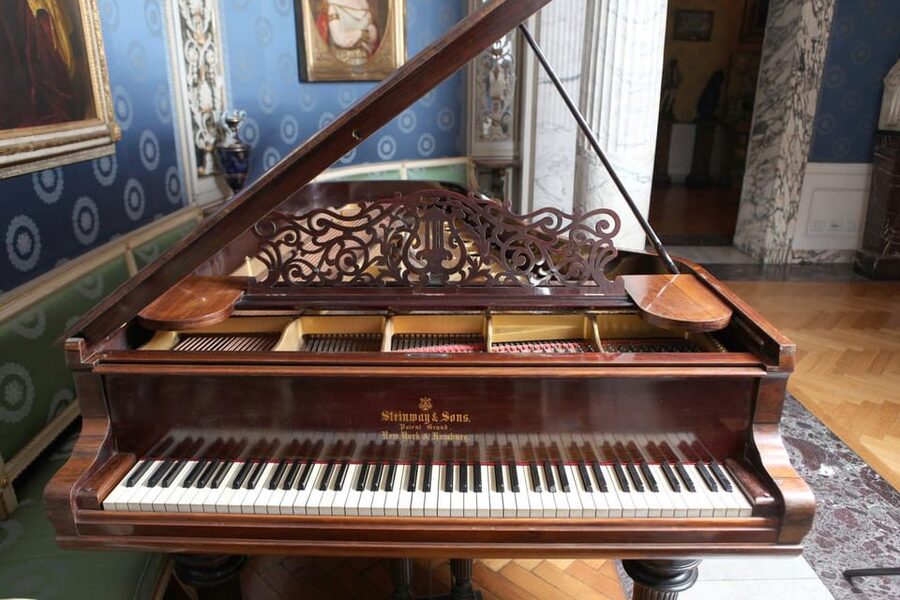
The collection helps you understand how much work goes into a performance before the curtain rises. Costumes show the visual language of opera, while set designs reveal how directors and designers imagined the worlds behind the music.
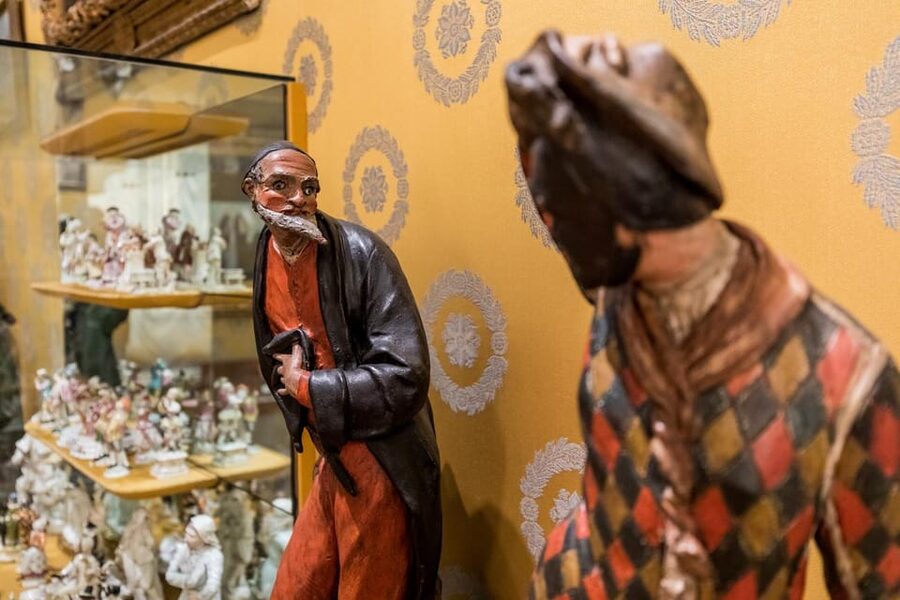
You will see material connected with notable performances, including theatrical clothing, scenery plans, and other production items. These displays are useful even if you do not know opera well because they show that La Scala’s story is not only about famous voices. It also involves design, craftsmanship, staging, and the practical work of putting a large production before an audience.
Posters from past performances add another layer. They chart the changing look of the theatre and its productions over time. A poster can tell you who was performing, what work was on the program, and how the theatre presented itself to Milan’s public.
The displays are not arranged as a substitute for attending an opera. Instead, they provide context for the performances that once filled the auditorium. If you enjoy theatre, costume, visual design, or cultural history, you may find the museum more rewarding than expected.
A few more Milan trips worth weighing up
- Milan: Leonardo3 The World of Leonardo Museum Entry Ticket
★ 4.4 · 3,241 reviews - Milan: Cathedral, Archeological Area and Museum Ticket
★ 4.5 · 1,093 reviews - Casa Milan: Museum Entry Ticket
★ 4.6 · 969 reviews - La Scala Theatre and Museum guided experience
★ 4.5 · 664 reviews
Instruments, portraits, and the people behind the stage
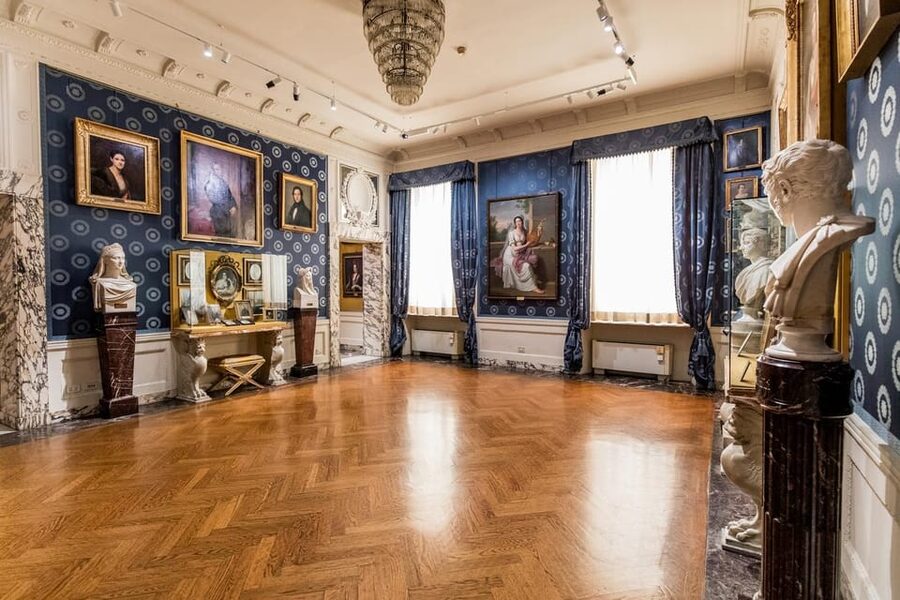
Musical instruments give the museum a direct connection to sound. They remind you that La Scala is not just an ornate room or a collection of celebrity portraits. It is a working performance institution built around orchestral and vocal music.
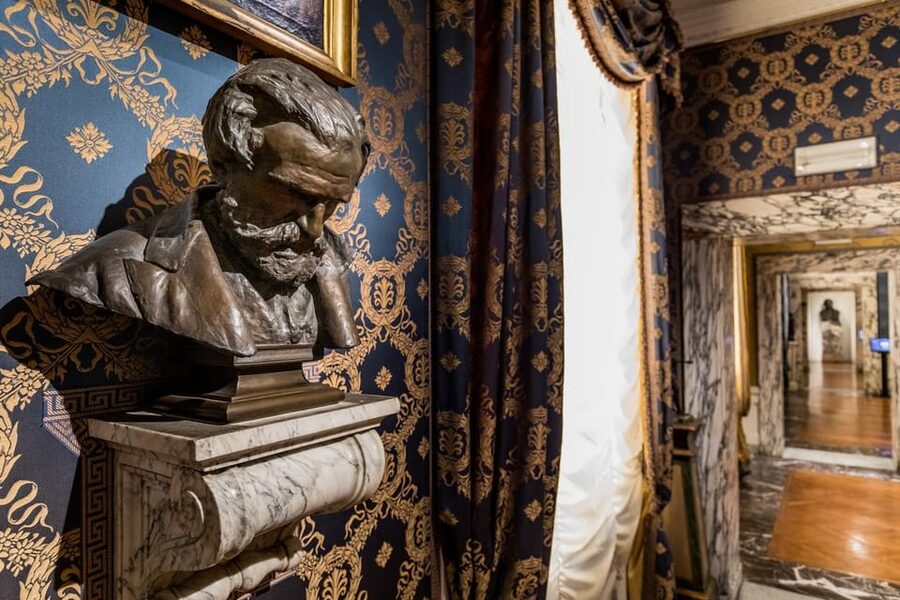
The portrait gallery and busts focus on major figures in music. These displays place performers and composers within the longer story of the theatre. You’ll encounter names associated with La Scala’s most important eras, including Verdi, Rossini, Callas, and Pavarotti.
Maria Callas is especially central to the public image of twentieth-century opera, while Verdi’s connection to Italian opera makes him essential to any understanding of La Scala. You are not simply looking at famous faces. You are seeing the people whose work helped make the theatre a reference point for opera.
The collection also gives you a better idea of La Scala’s cultural reach. A performance at this address could matter well beyond one evening in Milan. It could shape a singer’s career, define a production, or become part of the wider story of Italian music.
Using the seven-language app audioguide
An app audioguide is included and can be downloaded at the museum. It is available in seven languages, which makes the visit easier if you prefer listening to reading labels.
The guide is useful for connecting individual objects with the productions and personalities behind them. Without context, a costume or portrait can be attractive but hard to place. Audio explanations can help you understand why an item matters and how it fits into La Scala’s story.
Bring a charged phone if you plan to use the guide. The supplied information does not specify whether headphones are provided, so having your own pair may be sensible. The visit is still possible without the app, but the explanations add value, particularly for first-time opera visitors.
If you enjoy moving at your own pace, a self-guided format works well. You can spend longer with the exhibits that interest you and move quickly past material that feels less relevant. If you want a detailed, personal account of every display, this ticket is less suitable than a dedicated guided tour.
One visitor specifically praised a staff member named Simona for sharing local historical information. Staff support can vary by day, but if Simona is assisting during your visit, you may be able to ask her about the theatre and its past.
How much time to allow
The ticket is valid for one day, but the supplied information does not give a fixed visit length. Allow enough time to explore the museum without rushing, especially if you want to listen to the audioguide and wait for a clear view of the auditorium.
I would place this visit between other central Milan sights rather than build an entire day around it. The Duomo and Galleria are only steps away, making La Scala a good addition to a morning or afternoon itinerary.
Your timing matters more than the number of hours. Check the available starting times, then check the theatre visibility notice as close to your visit as possible. If the auditorium is your priority, choose a time when the lights are on and be prepared for the possibility of rehearsal-related restrictions.
The museum also works well on a day when no performance is scheduled. Video and visual material can give you a sense of what an opera or ballet at La Scala feels like, even if you cannot attend one in person.
The value of the $17 ticket
At $17 per person, this is a reasonably priced way to enter one of Milan’s best-known cultural institutions. The value depends mainly on what you want from the visit.
If you want a quick photograph of an ornate opera house, the price may feel high if the auditorium is not fully visible. The museum itself is the official attraction, and theatre access can change according to rehearsals and lighting. You should not treat the ticket as a guaranteed substitute for an opera performance.
If you are interested in music, theatre, architecture, or Milan’s cultural identity, the price is easier to justify. You receive museum entry, access to the exhibits, and an app audioguide in seven languages. The central location also saves time and transport costs because you can walk there from the Duomo area.
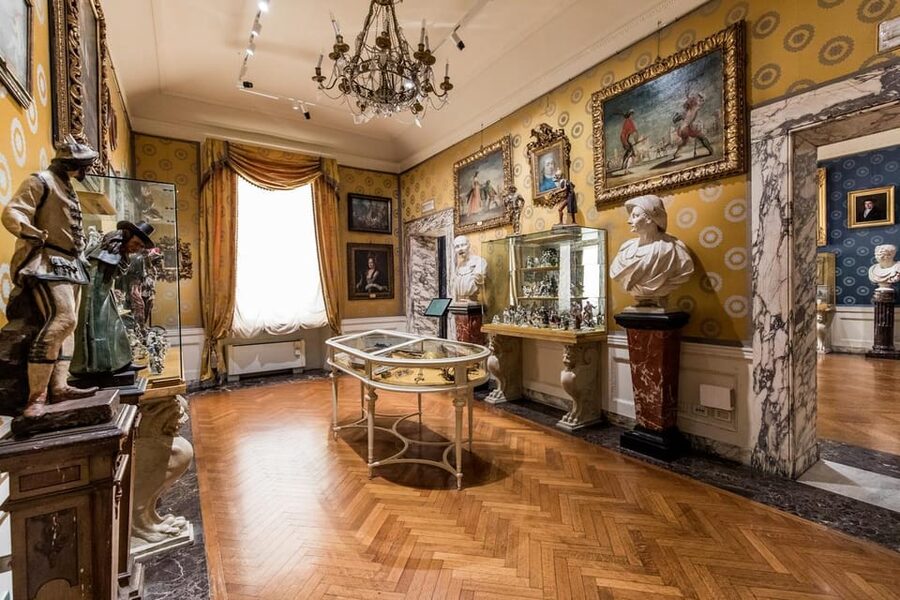
The ticket is particularly good value for people who cannot arrange an evening performance. You get costumes, set designs, instruments, portraits, and a look into the auditorium for a modest cost. It is also a useful choice for families and mixed-interest groups because you can move at your own pace.
The overall rating is 4.4 from 759 reviews, which points to a generally strong experience with some practical limits. The repeated praise centers on the museum displays and the auditorium view. The most common concern is not the collection itself, but uncertainty about theatre access and the effect of rehearsals.
Who should book this experience
I would recommend La Scala Theatre Museum to anyone who wants a manageable cultural visit in central Milan. It is especially suitable for:
- First-time opera visitors who want basic context before attending a performance
- Music lovers interested in Verdi, Rossini, Callas, Pavarotti, and other major figures
- Theatre fans drawn to costumes, stage design, and production history
- Families who need a short, flexible stop near the Duomo
- Visitors who cannot obtain tickets for an opera or ballet
- People who appreciate architecture and want to see an elegant theatre interior
It may be less satisfying if you expect a full behind-the-scenes tour or guaranteed access to the main auditorium. The ticket does not include an opera, ballet, live guide, or promise of a rehearsal.
You should also think about luggage. This is not a convenient stop with large suitcases unless you are willing to use the cloakroom. Pack lightly for the visit.
Practical ways to get more from your visit
Check the theatre visibility page before you leave. This is the single best tip because the auditorium view is often the most memorable part of the experience.
Try to arrive with enough time to identify the correct entry point. The skip-the-line arrangement is useful, but instructions may not be clear at the door. Ask staff rather than guessing.
Keep your phone charged for the audioguide. Choose the language you prefer, and take time with the displays that connect objects to actual performances.
If a rehearsal is taking place, follow staff instructions and keep expectations flexible. You may get an unusual glimpse of ballet or opera preparation, but you may also see the theatre only from a higher position.
Finally, pair La Scala with nearby sights. Visit the Duomo, pass through the Galleria, then stop at the theatre museum. This creates a compact walking route through some of Milan’s most famous central landmarks.
Should you book La Scala Theatre Museum?
Book it if you want an affordable look at Milan’s opera tradition, a central museum stop, and a chance to see the La Scala auditorium. The costumes, instruments, stage designs, posters, and portraits give the visit real substance, while the app audioguide helps explain what you are seeing.
The best version of the experience comes when the theatre lights are on and you can look into the main auditorium. Check that detail before booking, particularly if the theatre interior is your main reason for going.
I would not book this expecting a performance or a guaranteed tour of every part of the theatre. Instead, think of it as a compact museum visit with a valuable architectural view and the occasional bonus of seeing a rehearsal. At $17, it is a sensible choice for most Milan itineraries, especially when you are already visiting the Duomo and Galleria.
FAQ
How much does the La Scala Theatre Museum ticket cost?
The ticket costs $17 per person.
How long is the ticket valid?
The ticket is valid for one day. You should check availability for the starting times offered on your chosen date.
What does the ticket include?
It includes entrance to the La Scala Theatre Museum, access to the museum exhibits, and an app audioguide downloadable at the museum.
Is the audioguide available in several languages?
Yes. The app audioguide is available in seven languages.
Can I see the La Scala auditorium?
You may be able to see the auditorium, including from one of the boxes, but access can vary. Rehearsals and theatre activity may limit the view, so check the theatre visibility information before visiting.
Can I watch an opera or ballet with this ticket?
No. The ticket provides museum access and does not include an opera or ballet performance. You might see a rehearsal, but that is not guaranteed.
Is La Scala Theatre Museum accessible to wheelchairs and strollers?
Yes. The theatre and museum are accessible to wheelchairs and strollers.
Can I bring luggage or a large backpack?
No. Large bags, backpacks, and luggage must be checked in the cloakroom.
Can I cancel the booking?
Yes. You can cancel up to 24 hours in advance for a full refund. A reserve now and pay later option is also available.
Just added around Milan
- Varenna Walking Tour and Cooking Class★ 5.0 · 3 reviews
- 1-Day Personal Fashion Styling Course for Women★ 5.0 · 3 reviews
- Milan: Food Tour with Pasta, Pizza, Cannoli, and Tiramisu!★ 4.3 · 3 reviews
- Milan: 4-Hour Art and History Private Walking Tour★ 5.0 · 3 reviews
- Private Wine Tasting in Bellagio with Chef Luigi Gandola★ 5.0 · 3 reviews
- Walking Tour in Lake Como with Lierna Cooking Class★ 5.0 · 3 reviews
- Mantova: Private Walking Tour★ 4.3 · 3 reviews
- Wine and Food tasting PRIVATE Guided Tour★ 5.0 · 3 reviews
La Scala Opera House, compared.

Milan’s Must See: Half-Day Tour of Last Supper, Duomo & La Scala
Read our review →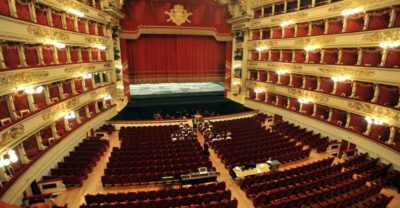
La Scala Theater and Museum Tour with Entry Tickets
Read our review →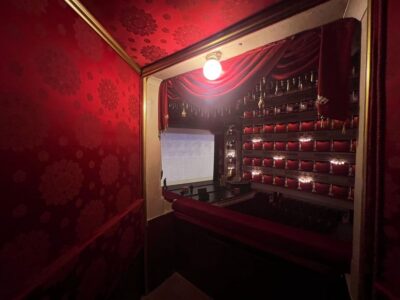
La Scala Theatre and Museum Tour in Milan With Private Guide
Read our review →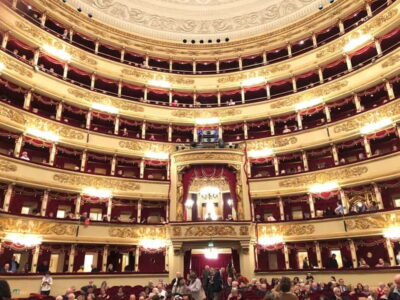
Skip-the-Line Duomo & La Scala Museum Tour + Hop On Hop Off
Read our review →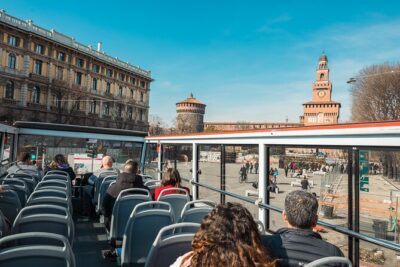
Skip-the-Line Duomo & La Scala Museum Guided Tour
Read our review →Browse the lists this tour appears in