
Reviewed · WINE TOURS
Milan Wine Tasting Experience
Three Italian wines, three carefully matched bites, and a sommelier explaining what is in your glass: that is the appeal of this one-hour Milan wine tasting. You sit in a traditional wine bar, rather than rushing between sights, and get a small but useful introduction to Italian wine and Lombardy’s food culture.
I like the clear structure and the food pairings. I also like that the sommelier keeps the tasting friendly enough for first-timers, while still explaining flavor, production, and wine history for people who already know a little. The main consideration is the short format: this is a focused tasting, not a full meal or a long wine course.
In This Review
- Key points at a glance
- Three wines, three different lessons
- What the sommelier adds to the hour
- La Dogana del Buongusto on Via Molino delle Armi
- Why the food pairings matter
- A good first tasting in Milan
- Is $55.80 a fair price?
- What to expect from the pace
- Strengths and limitations
- Practical tips before you book
- Should you book the Milan Wine Tasting Experience?
- FAQ
- Where does the Milan Wine Tasting Experience take place?
- How long does the wine tasting last?
- How many wines are included?
- Which wines are included?
- What food is served with the wine?
- Is a sommelier included?
- What language is the tasting offered in?
- Can children attend the tasting?
Key points at a glance
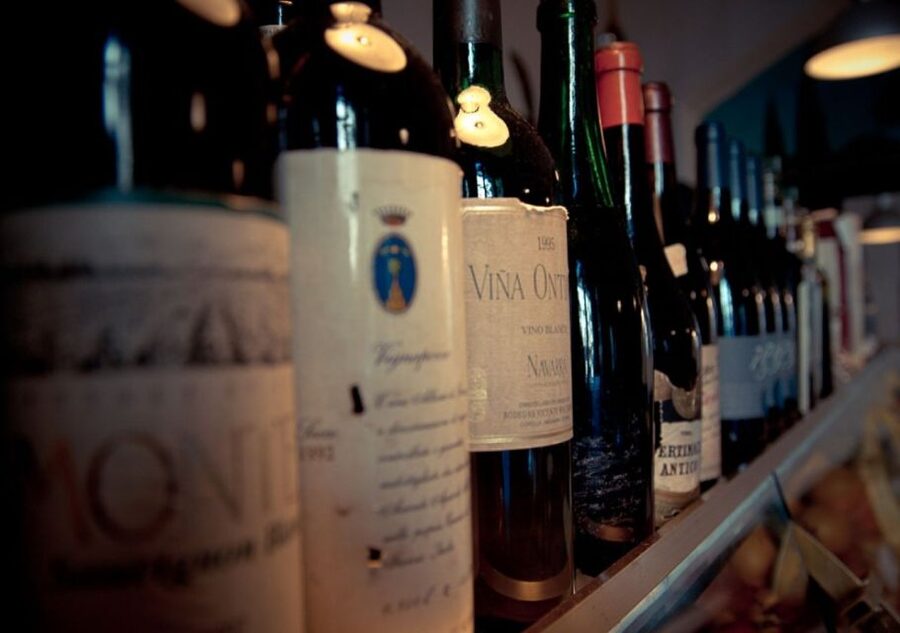
- Three wines with three food pairings: Expect Refosco del peduncolo with beef carpaccio, Montepulciano d’Abruzzo with a savory vegetable or meat-based bite, and Pinot Nero with chocolate cake.
- A sommelier leads the hour: The English-language presentation covers the flavors and history of each wine, with time for questions.
- A traditional Milan wine bar: The tasting takes place at La Dogana del Buongusto on Via Molino delle Armi 48.
- Useful for beginners: The explanations help you understand how to choose and drink wine without turning the hour into a formal lecture.
- Food changes with the season: The listed menu is an example, so exact pairings may differ.
- Adults only: The activity is not suitable for children under 18 or pregnant women.
Three wines, three different lessons
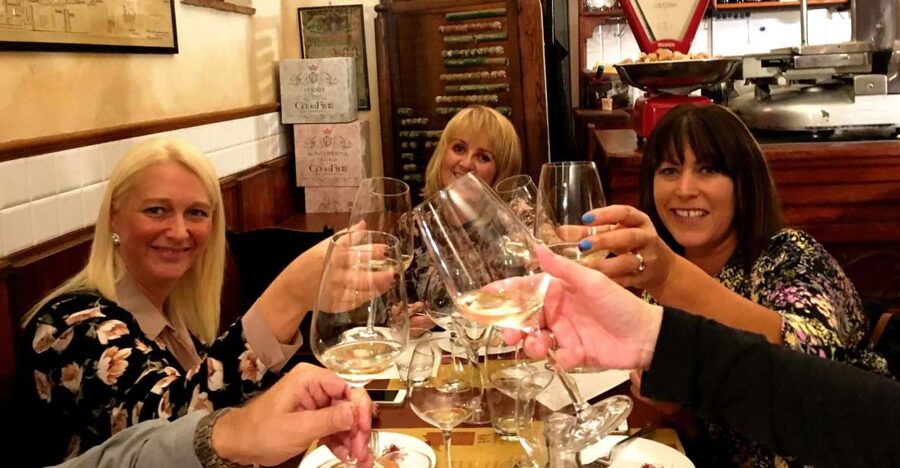
The tasting is built around three glasses rather than a large flight of tiny pours. That gives each wine enough attention to make the pairing useful, while keeping the session manageable in one hour.
You begin with a glass of Refosco del peduncolo, paired with beef carpaccio and balsamic vinegar. Carpaccio is delicate but savory, and the balsamic adds sweetness and acidity. This first course gives the sommelier a good opening to discuss how a wine can change when you eat it with something salty, tender, or sharp.
The second glass is Montepulciano d’Abruzzo, served with vegetables or with a meat pie accompanied by croutons and tomatoes. This is the heartier part of the tasting. The choice of bite may suit different diets or seasonal supplies, but you should not assume a specific option will always be available. If food restrictions matter to you, tell the sommelier at the start.
The final wine is Pinot Nero, paired with chocolate cake. It is a pleasant way to finish, but the pairing also has a teaching purpose. Chocolate, sweetness, and texture can make a wine seem more bitter or more intense, so this final course helps show why dessert pairings need thought.
The menu is not fixed. The listed foods are examples of the standard level and style of the tasting, and seasonal changes are possible. That is a small drawback if you have your heart set on carpaccio or cake, but it also means the food can reflect what the bar is serving at the time.
More cellars and tastings:
- Milan: Pasta and Tiramisu Cooking Class with Wine
★ 4.8 · 1,106 reviews - Sirmione: Sunset Boat Cruise with Local Wine
★ 4.8 · 824 reviews - Gnocchi, Pasta, Tiramisù and Wine Class
★ 5.0 · 691 reviews
What the sommelier adds to the hour
This is not simply a flight placed on the table with a printed card. The sommelier explains the flavor and background of each wine, then connects it to the food beside it.
That guidance matters most if you are new to wine. You can ask why one wine works better with beef, why another suits a savory pie, or how to judge a wine beyond simply deciding if you like it. The teaching is meant to help you make better choices later, in a Milan restaurant or at home.
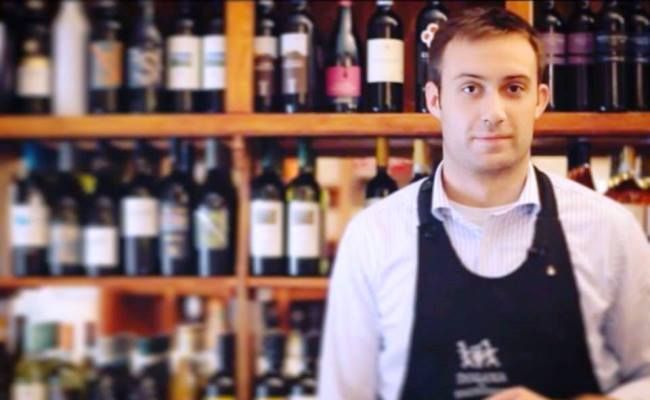
The tone appears to be friendly rather than stiff. Fabrizio, one of the sommeliers associated with the experience, is described as engaging, helpful, and considerate of dietary restrictions. That last point is useful. A short tasting can feel awkward if you cannot eat one of the pairings, so speak up early and ask what can be adjusted.
You should also expect a real explanation, not just a quick pour. The tasting has been praised for improving basic understanding of how to choose and drink wine. If you already know Italian wine well, you may find the material introductory, but you can still use the food pairings and questions to make the hour more personal.
La Dogana del Buongusto on Via Molino delle Armi
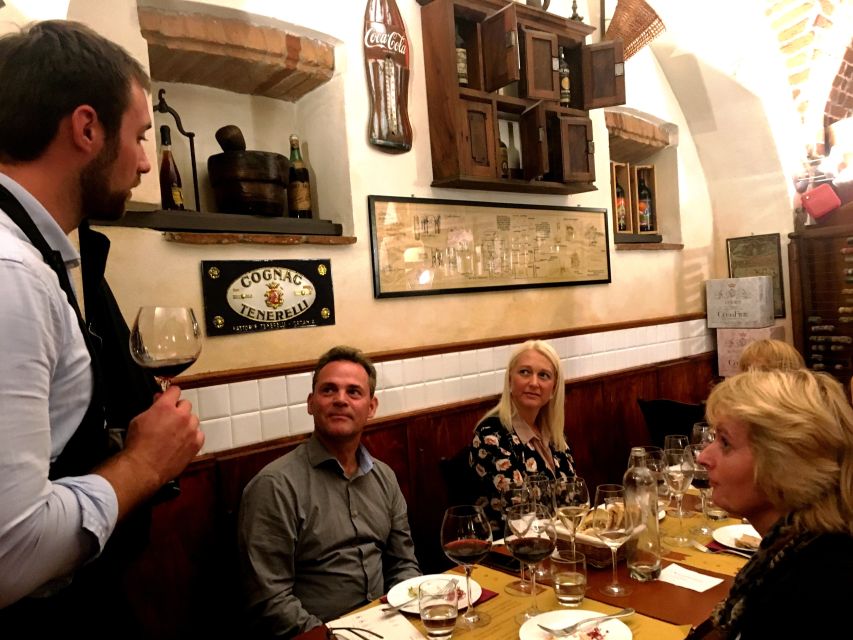
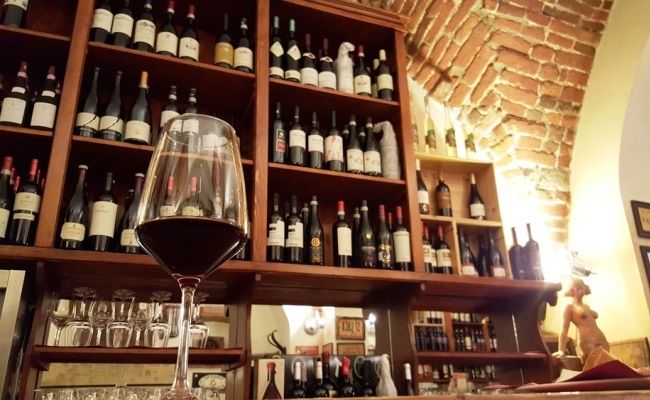
The meeting point is La Dogana del Buongusto, at Via Molino delle Armi 48 in Milan. The setting is part of the experience. You are tasting in a traditional wine bar in the heart of the city, not in a distant vineyard or a classroom removed from daily Milanese life.
That location makes this a practical choice for a city break. You do not need to spend half a day reaching a winery, and the activity ends back at the same meeting point. It fits well between sightseeing plans, provided you leave enough time to reach the bar and do not book another fixed appointment too close afterward.
The bar setting also keeps the focus on ordinary Italian wine culture. Milan is famous for design, fashion, churches, and grand shopping streets, but a wine bar gives you a quieter look at how people eat and drink. You are not touring a production site, so you will not see vineyards, cellars, or bottling equipment. Instead, the value comes from the combination of place, conversation, wine, and food.
Why the food pairings matter
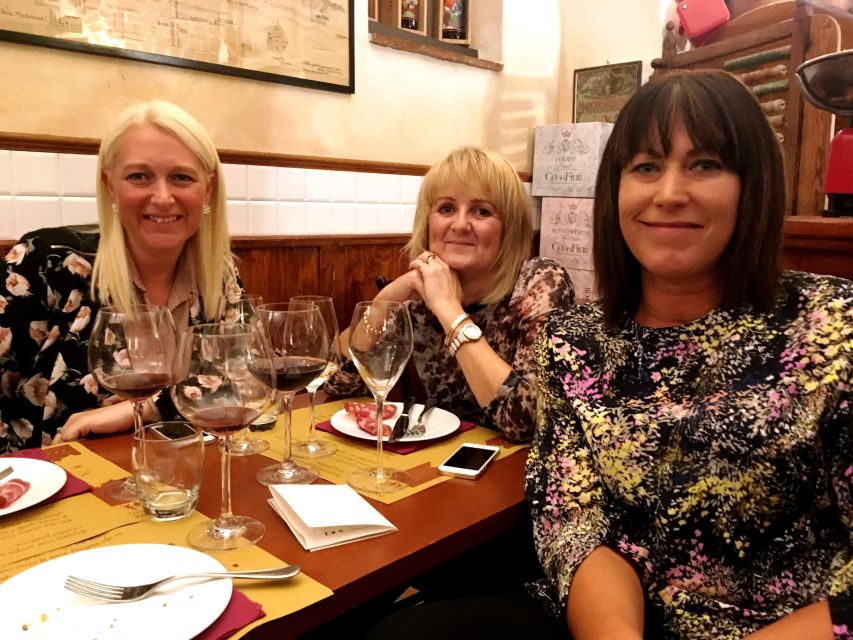
A wine tasting without food can become a guessing game. The first sip may taste one way, then seem completely different beside carpaccio, vegetables, tomatoes, or chocolate. This experience uses that contrast to make the lessons easier to remember.
The regional bites also provide a small introduction to Lombardy’s countryside flavors. The food is not presented as a full regional meal, and you should not book this expecting dinner. Think of it as a series of carefully chosen samples that support the wines.
The quantity is another practical point. Three glasses and accompanying bites should offer enough refreshment for the hour, but the information provided does not promise a substantial meal. If you arrive hungry, eat something beforehand or plan a meal afterward.
The changing menu means you should treat the sample pairings as a guide rather than a guarantee. Vegetables or meat pie may replace one another, and seasonal products may alter the exact plate. That flexibility is normal for a bar working with fresh food, but it is worth remembering if you have strict dietary needs.
A few more Milan trips worth weighing up
- Milan’s Authentic Street Food tour: A Gourmet Experience
★ 4.5 · 717 reviews - Small-Group Barolo Wine Tasting, Alba & UNESCO Piedmont Hills
★ 5.0 · 689 reviews - Milan: Guided Street Food Walking Tour with Food Tasting
★ 4.8 · 654 reviews - Milan: Sunset Navigli Food & Drinks Tour by Do Eat Better
★ 4.5 · 517 reviews
A good first tasting in Milan
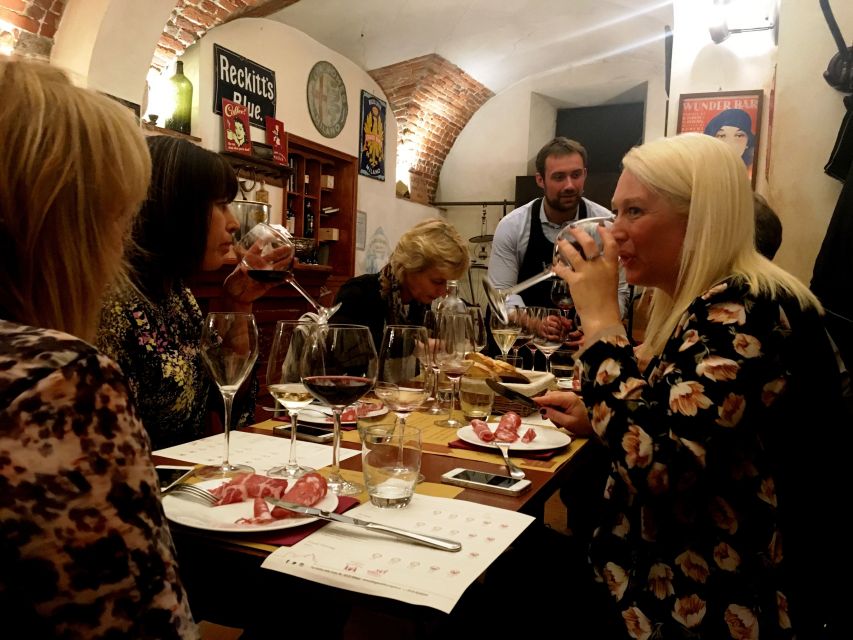
The experience suits first-time wine tasters especially well. You get a simple framework: look at one wine, taste it, try the food, and listen to how the pairing changes the result. The sommelier can answer questions without making you feel that you need specialist vocabulary.
I would also recommend it to couples and small family groups with adult children. The tasting is short enough that it does not consume a whole afternoon, and the mix of explanation and snacks gives everyone something to discuss.
The audience is less clear for serious wine collectors. You receive three selected wines and a guided lesson, but not a broad survey of Italian regions or a technical tasting of many producers. If you already spend weekends studying appellations and vintages, you may want a longer or more specialized course.
This is also not the right activity for anyone avoiding alcohol. It is not suitable for pregnant women, and children under 18 cannot take part. The English instruction makes it accessible to English-speaking visitors, but no other language is listed.
Is $55.80 a fair price?
At $55.80 per person, the price is not bargain-basement, but it can be fair for Milan if you value guidance and atmosphere as much as the liquid in the glass.
You are paying for three wines, food pairings, and a sommelier’s time. Buying three glasses independently in a bar could cost less or more depending on the wines, but you would lose the explanation and the deliberate food matches. The price makes better sense for someone who wants to learn something, not someone simply looking for the cheapest drink in town.
The one-hour length helps the value. You can fit the tasting into a busy Milan schedule without giving up a major block of sightseeing time. At the same time, the short duration limits how much detail the sommelier can cover. You will get a useful introduction, not a full examination of Italian wine.
The reserve-now-and-pay-later option adds flexibility, and free cancellation is available up to 24 hours in advance for a full refund. Check the current starting times when booking, since the exact schedule is not fixed in the information provided.
What to expect from the pace
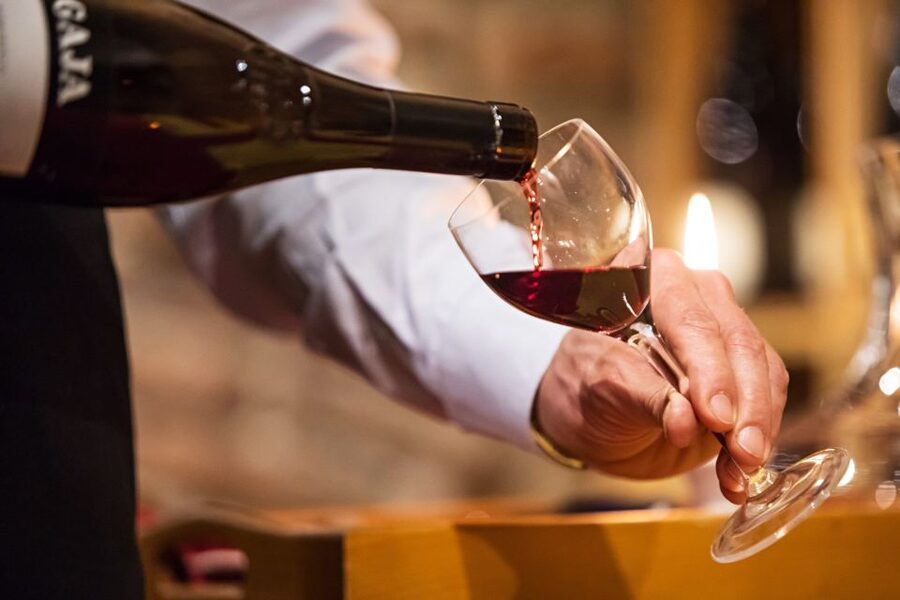
The hour should move in three clear stages, one for each wine. You meet at the bar, settle in, and receive the first glass with its matching food. The sommelier then explains the wine and the pairing before moving to the next course.
Because the tasting is only one hour, arrive ready to begin. A late arrival could cut into your explanation time, though no specific late-arrival policy is provided. The activity ends where it starts, so you can continue exploring Milan from the same central area.
Do not expect a long walking tour or transport between venues. There is one meeting point and one wine bar. That simplicity is useful after a day spent navigating Milan’s larger sights.
The atmosphere should feel social and relaxed, but the exact group size is not stated. If you prefer a private tasting, ask before booking rather than assuming the session is private.
Strengths and limitations
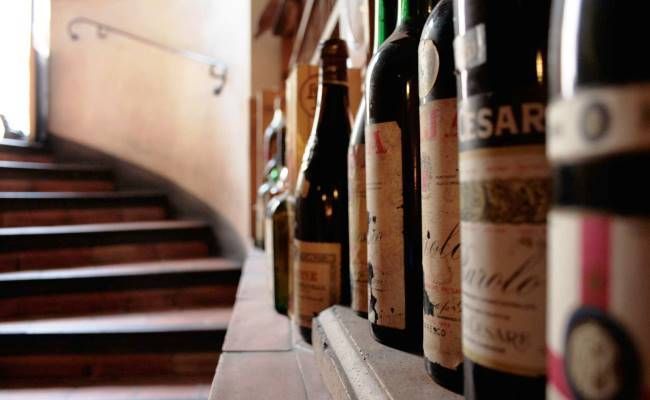
The strongest feature is the balance between instruction and pleasure. The sommelier service gives each wine a purpose, while the food prevents the tasting from becoming too abstract. This is why the activity works for people who have never attended a wine tasting before.
The food quality also earns attention. The pairings are described as tasty and generous enough to support the wines, though the experience remains a tasting rather than a meal. The seasonal menu is a plus for freshness, but a limitation for anyone planning around one exact dish.
The setting is another strength. La Dogana del Buongusto provides the kind of wine-bar atmosphere that feels more connected to city life than a generic hotel meeting room. The tradeoff is that you do not visit a winery or learn about wine production on site.
The staff can make a big difference. Fabrizio is specifically noted for being helpful, engaging, and careful with dietary restrictions. Since the exact sommelier may vary, treat that as a possibility rather than a guarantee, but the format clearly depends on an approachable instructor.
Finally, the 4.7 rating from 60 reviews suggests a consistently strong experience, though no activity suits everyone. The main limitation remains the one-hour schedule. You get a polished sample, not an extended evening of wine and food.
Practical tips before you book
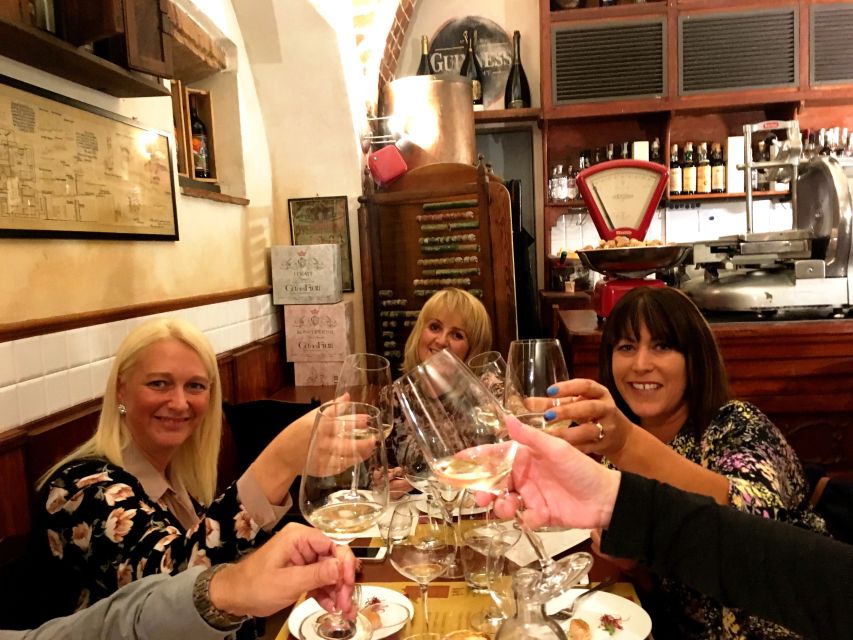
Book this when you want a compact activity in Milan, especially on a day filled with museums and churches. The one-hour length makes it easy to place before dinner or between major sights.
Read the menu as a sample. Refosco, Montepulciano d’Abruzzo, and Pinot Nero are the listed wines, but the food may change with the season. Ask about the current pairings if a particular ingredient matters to you.
If you have dietary restrictions, contact the provider or tell the sommelier when you arrive. Fabrizio has been described as considerate about such needs, but the available information does not promise every substitution.
Use the session to ask questions. The best value comes from learning why each wine is paired with its food, not from drinking three glasses as quickly as possible. Take note of the wines you enjoy so you can recognize similar styles during the rest of your trip.
You should also plan responsibly after the tasting. The activity includes three glasses of wine, and no transportation is provided. Since the session ends at the bar, make your onward plans with that in mind.
Should you book the Milan Wine Tasting Experience?
Book it if you want a short, guided introduction to Italian wine in a genuine Milan wine-bar setting. It is especially suitable for first-time tasters, couples, adult families, and anyone who likes food pairings with a bit of explanation.
Skip it if you want a vineyard visit, a full meal, a private session, or a technical course covering many Italian wine regions. For $55.80, the experience offers a sensible mix of three wines, Lombardy-style food samples, and sommelier instruction. Its value rests on the teaching and atmosphere, not on the amount of wine.
FAQ
Where does the Milan Wine Tasting Experience take place?
It takes place at La Dogana del Buongusto, located at Via Molino delle Armi 48 in Milan.
How long does the wine tasting last?
The activity lasts one hour. Starting times vary, so check availability when you book.
How many wines are included?
The tasting includes three glasses of wine.
Which wines are included?
The sample menu lists Refosco del peduncolo, Montepulciano d’Abruzzo, and Pinot Nero. The food menu may change seasonally, and the available information does not state that the wine selection is always fixed.
What food is served with the wine?
The sample pairings include beef carpaccio with balsamic vinegar, vegetables or a meat pie with croutons and tomatoes, and chocolate cake. These are examples, and seasonal changes are possible.
Is a sommelier included?
Yes. Sommelier service is included, with explanations of the wines’ flavors and history.
What language is the tasting offered in?
The instructor language is English.
Can children attend the tasting?
No. The experience is not suitable for children under 18. It is also not suitable for pregnant women.
Just added around Milan
- Milan: Food Tour with Pasta, Pizza, Cannoli, and Tiramisu!★ 4.3 · 3 reviews
- Varenna Walking Tour and Cooking Class★ 5.0 · 3 reviews
- 1-Day Personal Fashion Styling Course for Women★ 5.0 · 3 reviews
- Private Wine Tasting in Bellagio with Chef Luigi Gandola★ 5.0 · 3 reviews
- Walking Tour in Lake Como with Lierna Cooking Class★ 5.0 · 3 reviews
- Milan: 4-Hour Art and History Private Walking Tour★ 5.0 · 3 reviews
- Mantova: Private Walking Tour★ 4.3 · 3 reviews
- Wine and Food tasting PRIVATE Guided Tour★ 5.0 · 3 reviews
Wine Tours, compared.

Small-Group Barolo Wine Tasting, Alba & UNESCO Piedmont Hills
Read our review →
Pasta and Tiramisu Small Group Cooking Class with Wine
Read our review →
Wine Lovers Experience at Cantina Urbana Winery
Read our review →
Domaso: Wine Tasting at the Winery on Como Lake
Read our review →Browse the lists this tour appears in