Reviewed · WORKSHOPS
Cesarine: Small group Pasta-Making class in Como
The best part of this Como cooking class is that you do not simply watch a chef work. You sit down, handle the ingredients, and learn the reasons behind the recipes. Hosts such as Deborah, Anna, Christina, Monica, and Morena have earned praise for their patience and warm teaching, though the exact host depends on your booking.
I like the small maximum of 10 people, which gives the class a more personal feel than a large culinary demonstration. I also like that three regional dishes are included, along with wine, water, coffee, and the meal you help prepare. The main caution is value: at $214.84 per person, this is a costly three-hour activity, and one past session fell well short of the hands-on class promised.
In This Review
- Key things to know before booking
- What a three-hour Como pasta class is really like
- The welcome and menu discussion
- Making three dishes with a local host
- Ravioli, tagliatelle, gnocchi, risotto, or Mondeghili
- Eating the pasta you helped prepare
- Is $214.84 a fair price?
- Getting there and planning your day
- Who will enjoy this most?
- Should you book the Como pasta class?
- FAQ
- Where does the pasta-making class meet?
- How long does the class last?
- How many people can join the class?
- Is the class offered in English?
- What dishes might I make?
- What is included with the meal?
Key things to know before booking
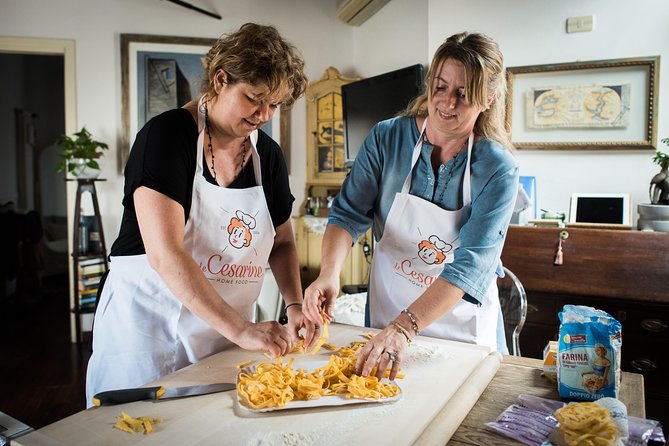
- You make three Italian dishes: The menu can include ravioli, tagliatelle, gnocchi, risotto, or Mondeghili, depending on the host and session.
- The class takes place in a local home: This gives the meal a personal touch, but the cooking space may vary from a polished kitchen to a more basic setup.
- Hosts make much of the experience: Deborah, Anna, Christina, Monica, Morena, Vincente, Carolina, and Simona have all been praised for friendly teaching and hospitality.
- Food and drinks are included: Your pasta tasting comes with water, local wine, and coffee, so you do not need to arrange a separate meal afterward.
- The group is capped at 10: That is small enough for questions, though your share of the preparation can depend on the host and group size.
- Cancel at least 24 hours ahead: You can receive a full refund if you cancel at least 24 hours before the start time.
What a three-hour Como pasta class is really like
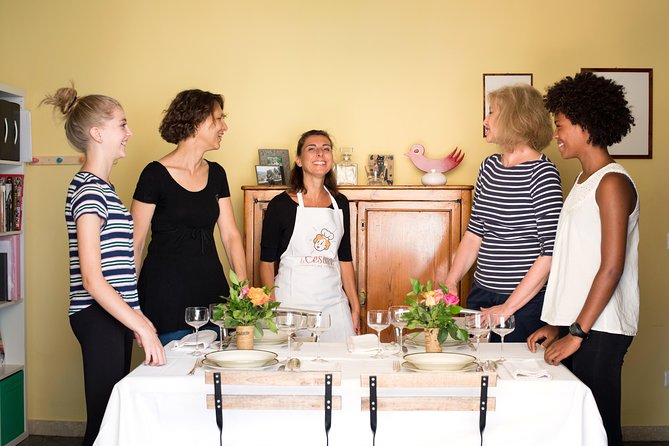
This is a food lesson wrapped inside a home visit. You meet at 22100 Como, in the Province of Como, then return to that same meeting point when the class ends. The exact home and host are part of the Cesarine network, so the setting can change from one booking to another.
The class is offered in English, an important point if you want to ask about dough, cooking times, or ingredient choices without guessing. You do not need to bring ingredients or equipment. The host supplies what you need for the recipes and guides you through the work at your own pace.
A typical session centers on three authentic pasta dishes, not one quick recipe followed by a short tasting. The possible dishes include ravioli, tagliatelle, gnocchi, risotto, and Mondeghili. That range matters. Ravioli and tagliatelle teach different pasta skills, while gnocchi and risotto move beyond rolled dough. Mondeghili is also a distinctly local touch, since these small meatballs are associated with the Milan and Lombardy area.
The menu is described as a sample rather than a fixed promise. If one particular dish matters to you, ask before booking. You should not assume every class makes all five examples, or even that every host follows the same menu.
A few more Lake Como trips worth weighing up
- Small group Pasta and Tiramisu class in Como
★ 5.0 · 210 reviews - Cesarine: Small group Pasta and Tiramisu class in Varenna
★ 5.0 · 195 reviews - Learn How to Make Homemade Pasta in Bellagio Area
★ 4.5 · 60 reviews
The welcome and menu discussion
The class begins with a greeting from your host and an outline of the dishes you will make. One especially useful part of the experience is the explanation of why Italian cooks handle ingredients in certain ways. This is more helpful than memorizing a list of steps, since it gives you a better chance of repeating the recipes at home.
Hosts praised for this part of the class include Deborah, who is described as patient and informative, and Vincente, who explained details of both making and cooking pasta. Morena also received praise for taking time with beginners. These details matter if you are arriving with little kitchen confidence.
You may also start with aperitifs. One account described them as tasty and ready when the group arrived. That can be a pleasant opening, but it also shows why expectations need to be clear. This is not necessarily a class where every course is prepared from the first chop. Some parts of the meal may already be underway before you arrive.
The host then introduces the recipes and divides the work. In a small group, you might mix dough, shape pasta, prepare a filling, stir a sauce, or help with cooking. Your actual hands-on time depends on the group, the host, and the menu.
Making three dishes with a local host
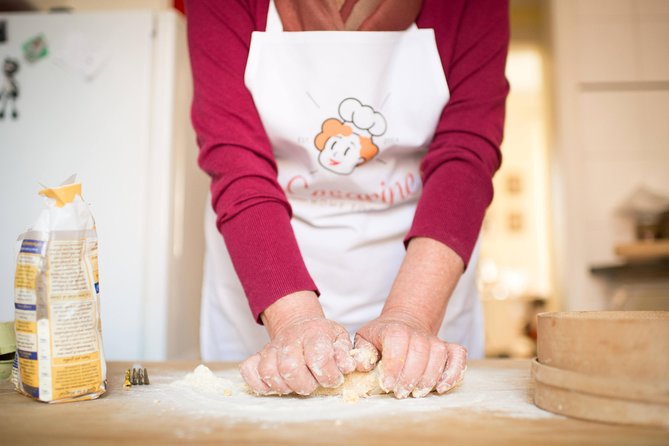
The central value of this activity is the personal instruction. You are not just shown a finished plate. You are taught how the dough should feel, how pasta is shaped, and how cooking changes the final texture. The strongest sessions seem to give you enough time to try the work yourself, make mistakes, and receive calm corrections.
That teaching style is where several hosts have made a strong impression. Deborah’s patient manner suits anyone who wants to ask basic questions without feeling rushed. Carolina and Simona, described as a mother-and-daughter team, combine the lesson with a shared lunch in their apartment. Anna and her co-host Terry have also been praised for making people feel welcome in their home.
The family element is useful if you want more than a cooking demonstration. One session with the Ferrante family included a generous menu and plenty of explanation about each stage. Another class hosted by Christina included a welcoming family atmosphere. These are the moments that can make a home cooking class feel different from a restaurant workshop.
Still, you should understand the possible weak point. A home kitchen is not a cooking school with identical workstations for every person. You may have to share space and tools. If the group is full, you might spend part of the time watching while someone else rolls dough or stirs a pot.
One past session was particularly disappointing. The room was described as small and warm, with two hotplates and a table rather than a proper kitchen. Some ingredients and dishes were already prepared, and the participant felt that very little cooking was done personally. Gnocchi were made with potatoes considered unsuitable for the dish, while the host handled the cooking. This appears to be an outlier among the strong scores, but it is a fair warning: the quality of a host and setup matters greatly.
Ravioli, tagliatelle, gnocchi, risotto, or Mondeghili
The possible menu gives the class a broad Italian focus, but it also means that the experience is not completely standardized. Here is what each dish can offer you.
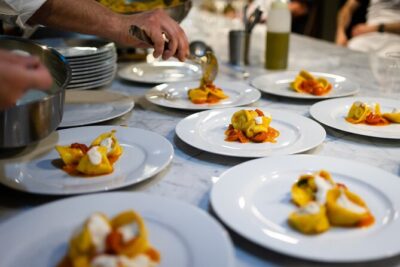
Ravioli are a good lesson in filling, sealing, and avoiding excess moisture. The work is precise, and the finished pasta gives you a clear sense of how technique affects the meal.
Tagliatelle let you practice rolling and cutting fresh dough. They are among the most useful pasta shapes to repeat at home because the method is simple once you understand the texture of the dough.
Gnocchi are less about rolling pasta and more about working with potatoes and flour. The result depends heavily on the potatoes and on gentle handling, so this dish can be instructive when prepared well.
Risotto shifts the focus from pasta dough to patient cooking. Stirring and adding liquid at the right time show you why the dish becomes creamy without needing cream.
Mondeghili offers a taste of Lombardy rather than the usual tourist menu of pizza and standard pasta. If this dish is included, it gives you a chance to learn a regional recipe that you may not encounter in an ordinary restaurant.
Because these dishes vary so much, the class can feel different from one date to the next. That is part of the charm of a home-based network, but it is also why you should confirm the planned menu if you have dietary needs or a strong preference.
A different sort of day out, same corner of Lombardy:
- From Milan: Como & Bellagio with Private Lake Como Cruise
★ 4.6 · 9,788 reviews - From Milan: Lake Como & Bellagio DayTour with Private Cruise
★ 4.3 · 2,830 reviews - Lake Como & Bellagio Day Trip with Private Boat Cruise
★ 4.0 · 2,587 reviews - Italy and Switzerland Day Trip: Lake Como, Bellagio & Lugano from Milan
★ 4.5 · 2,042 reviews
Eating the pasta you helped prepare
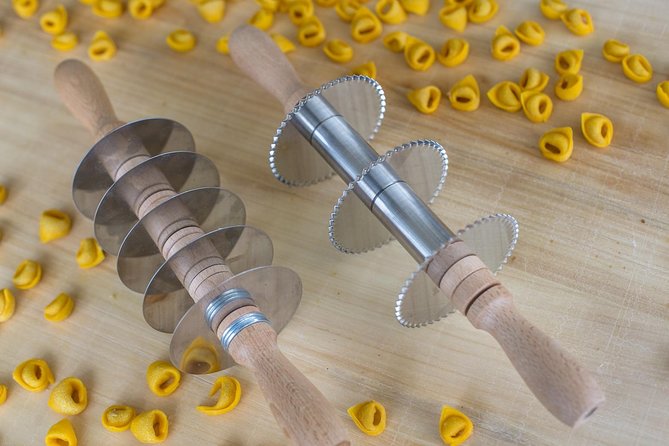
After the cooking, you sit down to taste the food. Pasta, water, local wine, and coffee are included, so the activity functions as both a lesson and a meal. Plan on this being your main food stop for roughly three hours rather than a quick class followed by sightseeing.
The meal is also when the social side of the experience comes into play. You may be sharing a table with family members or other people in the group, depending on the host. The best sessions appear to leave people with more than recipes. They create a relaxed setting for conversation, local customs, and the simple pleasure of eating food made together.
Several hosts have been praised for this part. Carolina and Simona served lunch in their apartment, while the Ferrante family was described as hospitable and generous with the menu. One evening class was remembered for its food, drink, fellowship, and new friendships.
Timing can matter. One person felt that a 5 p.m. start was too early for an evening event. If you are hoping for a late dinner atmosphere, check the start time before committing. A class that begins at 5 p.m. may suit a family schedule, but it will not feel like a long night out.
Is $214.84 a fair price?
At $214.84 per person, this is not a bargain cooking lesson. You are paying for the ingredients, the instruction, three dishes, a meal, wine, coffee, and the personal setting of a Como home. If the class is genuinely hands-on and your host gives careful instruction, the price can make sense as a special occasion experience.
The calculation changes if you mainly watch. A restaurant meal in Como costs less, and a standard cooking school may offer more predictable facilities. The appeal here is the home setting and the chance to learn directly from an individual host, not simply to eat Italian food.
The strong overall score of 4.8 from 22 ratings, with 91 percent recommending the activity, suggests that most bookings have gone well. That is encouraging, but the smaller number of ratings also means you should avoid treating the format as perfectly uniform. A great deal rests on your assigned host.
I would book this for a couple, family, or small group that values personal contact and wants a meal with a story attached. I would hesitate if your main goal is professional-level kitchen equipment, strict recipe standardization, or guaranteed time at the workbench.
Getting there and planning your day
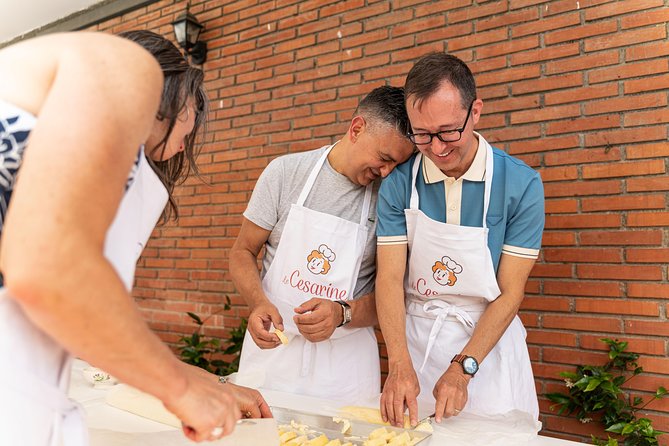
The meeting point is in Como, postal code 22100, and the activity ends back there. The location is near public transportation, which makes it easier to fit into a day without arranging private transport. The exact home address and host details should be checked with your booking confirmation.
The class lasts about three hours. Give yourself extra time before the start, since the experience is not designed as a quick stop between major sights. You will be eating, cooking, and sitting down with the group, so rushing to a ferry or train immediately afterward would be poor planning.
The activity is booked, on average, 23 days ahead. That does not guarantee that every date sells out, but it is a useful signal for planning. If your Como visit falls during a busy period, reserving early is sensible, especially if you need an English-language session or a particular start time.
Confirmation arrives at booking, and the experience uses a mobile ticket. Cancellation is free until 24 hours before the start time. After that point, the amount paid is not refunded, and changes made inside the 24-hour window are not accepted.
Who will enjoy this most?
You will get the most from this class if you like learning by doing and are happy with a menu that can vary. Beginners should feel comfortable, since hosts such as Morena and Deborah have been praised for patience and clear instruction. Experienced home cooks can also benefit from the discussion of technique and the reasons behind Italian food traditions.
Families can find this a good shared activity, particularly when a host includes relatives in the welcome. Adult parent and child pairs have enjoyed taking the class together, and the group format gives you something to do beyond sightseeing.
It is less suitable if you dislike communal meals, need a highly controlled kitchen setup, or expect to prepare every component from scratch. One disappointing session included ready-made aperitifs, ragù, and tiramisu, along with limited space and little personal cooking. That kind of mismatch is worth considering before you pay a premium.
If you have allergies or dietary restrictions, ask about the menu before booking. The available information does not specify substitutions or special-diet arrangements, and the sample dishes can change.
Should you book the Como pasta class?
I would book this if you want a warm, social food experience and care more about meeting a local host than working in a polished culinary studio. The best version gives you three dishes, useful technique, a relaxed meal, and recipes you can try again at home. Deborah, Monica, Morena, Vincente, Carolina, Simona, Anna, and Christina are all associated with the kind of personal welcome this format aims to provide.
I would not book it blindly at this price. Confirm the host, menu, start time, and how hands-on the session will be if those details matter to you. Choose it for the home setting, regional cooking, and shared meal. Choose a formal cooking school instead if you want guaranteed facilities and a tightly standardized lesson.
FAQ
Where does the pasta-making class meet?
The meeting point is at 22100 Como, in the Province of Como, Italy. The activity ends back at the meeting point.
How long does the class last?
The experience lasts approximately three hours.
How many people can join the class?
The group has a maximum of 10 people.
Is the class offered in English?
Yes. The activity is offered in English.
What dishes might I make?
The sample dishes include ravioli, risotto, gnocchi, Mondeghili, and tagliatelle. The exact menu may vary by session.
What is included with the meal?
Ingredients are provided, and the pasta tasting includes water, wine, and coffee.
Just added around Lake Como
- Varenna Walking Tour and Cooking Class★ 5.0 · 3 reviews
- Private Wine Tasting in Bellagio with Chef Luigi Gandola★ 5.0 · 3 reviews
- Walking Tour in Lake Como with Lierna Cooking Class★ 5.0 · 3 reviews
- Wine and Food tasting PRIVATE Guided Tour★ 5.0 · 3 reviews
- Private Boat Tour on Lake Como★ 5.0 · 3 reviews
- Private trip to Como half day★ 5.0 · 3 reviews
- Lake Como: Villa Monastero Entry Tickets with Ferries★ 3.3 · 3 reviews
- Private Guided Sailing Boat Tour on Lake Como with Aperitif★ 5.0 · 3 reviews
Workshops, compared.
Pasta and Tiramisu Small Group Cooking Class with Wine
Read our review →
Milan Cooking Class: Authentic Pizza & Gelato Making
Read our review →
Milan Culinary Experience: Pasta & Gelato or Tiramisù Class
Read our review →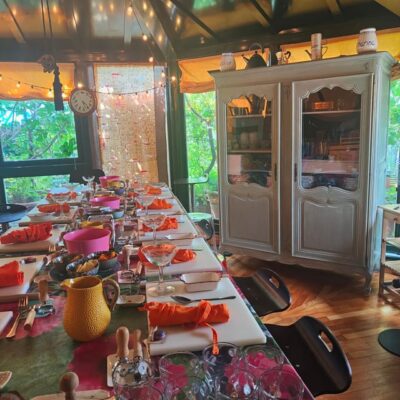
Pasta, Ravioli, and Gelato Class in a Glamorous Home
Read our review →