Reviewed · WORKSHOPS
Milan: The Ultimate Pasta Mastery Workshop
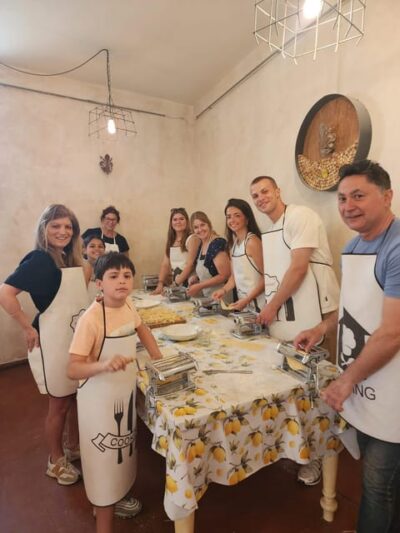
The best part of this Milan experience is that you do not simply eat Italian food, you make it from flour, eggs, and fresh ingredients in a private home. You will shape ravioli, roll tagliatelle, prepare sauces, and finish with tiramisu before sitting down to eat.
I like the hands-on pace and the chance to learn small pasta-making tricks you can repeat at home. I also like the warm social setting, with wine, aperitivo, cooking stories, and hosts such as Bruna, Federico, and Vincenzo who have earned especially strong praise for their teaching and hospitality.
The main caution is consistency. The host and home can change, and several bookings were affected by last-minute location or reservation problems. Confirm the meeting details carefully, and avoid booking only a few hours before class.
In This Review
- Key points to know before booking
- What happens in the Milan kitchen
- Ravioli first, with dough you can repeat at home
- Tagliatelle gives you a second pasta skill
- Tiramisu closes the meal on a sweet note
- A meal with wine, not just a cooking lesson
- The home setting is the real character of the experience
- English instruction and changing hosts
- Getting there and avoiding booking trouble
- Who will get the most from this class
- Is $111.99 a fair price?
- Should you book Milan’s pasta workshop?
- FAQ
- Where does the Milan pasta class begin?
- How long does the experience last?
- What language is the class offered in?
- How many people can join the class?
- What pasta will I make?
- Is tiramisu included?
- Is wine included?
- Do I eat the food I make?
- Do I receive the recipes?
- Can I cancel for a refund?
Key points to know before booking
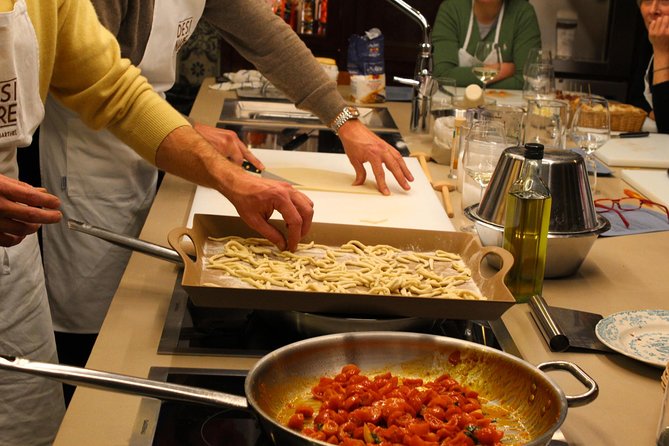
- You make several Italian staples: The class covers fresh pasta, different ravioli shapes, tagliatelle, sauces, and tiramisu.
- The meal is part of the lesson: You eat the pasta and dessert you prepare, with half a bottle of wine per person included.
- A home kitchen changes the mood: This feels more like dinner with a local cook than a formal culinary school.
- Groups are capped at 10: That keeps the class fairly personal, though the available kitchen space may differ by host.
- Recipes go home with you: The recipe handout gives the class value after your Milan visit ends.
- Allow extra care for logistics: The published address is Via Monviso 23, but some bookings have involved a changed location.
What happens in the Milan kitchen
You meet at Via Monviso 23 in Milan’s 20154 postal district, then enter the home of the professional chef or cooking host. The activity lasts about three hours and ends where it begins.
The exact room and host are not fixed in the way they would be at a cooking school. Bruna has hosted in her home, while Federico and Vincenzo have also led sessions. That variation is part of the appeal, since you may see an actual Milan apartment rather than a purpose-built classroom. It also means you should read the final meeting instructions closely.
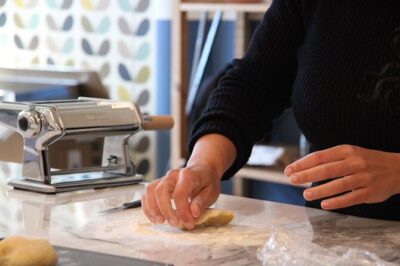
The class begins with fresh ingredients and a look at the basic menu. You work with raw products, prepare dough, and follow the host through each stage. This is not a demonstration where you sit at a table and watch someone else do the work. You should expect to mix, roll, cut, fill, and shape the pasta yourself.
The cooking is designed for beginners. One of the most useful features is the way the instructor can adjust the lesson to your starting point. If you have never made pasta, you get a slow introduction to dough and shaping. If you already know the basics, you can pay closer attention to regional styles, filling, and forming techniques.
A few more Milan trips worth weighing up
- The Secrets to Learn Fresh Pasta and Tiramisù in a Glam Home
★ 5.0 · 1,182 reviews - Milan: Pasta and Tiramisu Cooking Class with Wine
★ 4.8 · 1,106 reviews - Gnocchi, Pasta, Tiramisù and Wine Class
★ 5.0 · 691 reviews
Ravioli first, with dough you can repeat at home
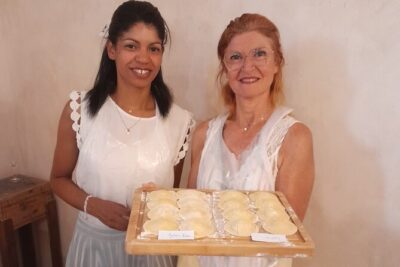
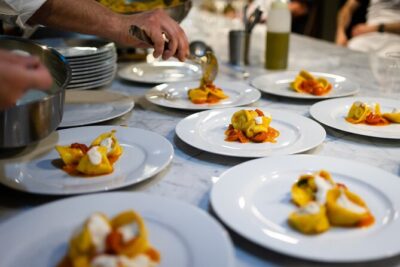
The central lesson is homemade ravioli. You begin with pasta dough and learn how to create thin sheets for filled pasta. The filling goes between two layers, which you then seal and cut into individual dumplings.
This is where a good instructor matters. The reviews describe Federico showing several ways to form pasta and explaining how different pasta types connect to Italian regions. Bruna is also praised for patient guidance, clear English, and practical advice that helped beginners feel able to repeat the process at home.
Ravioli looks simple on a plate, but the details matter. You need a thin, even sheet, enough filling without overloading the dough, and a firm seal that keeps the dumpling intact during cooking. A class gives you the chance to make those mistakes with someone nearby to correct them.
The menu may include different kinds of ravioli, though the exact shapes and fillings can vary with the host. That is worth keeping in mind if you are booking for one specific regional recipe. The experience promises traditional homemade ravioli, but it is not presented as a single fixed recipe class.
Tagliatelle gives you a second pasta skill
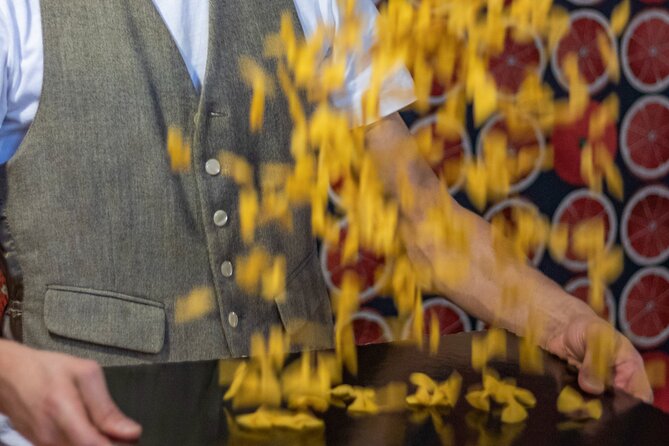
After the filled pasta, you prepare tagliatelle. This gives the class a useful contrast. Ravioli teaches you to fill and seal pasta, while tagliatelle focuses on rolling, cutting, and getting the right width.
The lesson may use a traditional pasta machine, and one host has also used a KitchenAid attachment alongside hand techniques. That is helpful if you are trying to decide what equipment you might buy later. You can see both the old-fashioned approach and a modern kitchen shortcut.
Fresh tagliatelle cooks quickly, so the gap between preparation and eating is short. You are not making pasta simply for display. The finished noodles become part of lunch or dinner, along with sauces prepared during the session.
The menu description lists pasta fresca as the main course, with several recipes involving tagliatelle and different ravioli. One caution: the exact number of pasta types has not always matched what was expected. A booking was advertised with three pasta varieties but delivered two until the group asked about the third, and the added pasta was not prepared for the meal.
Tiramisu closes the meal on a sweet note
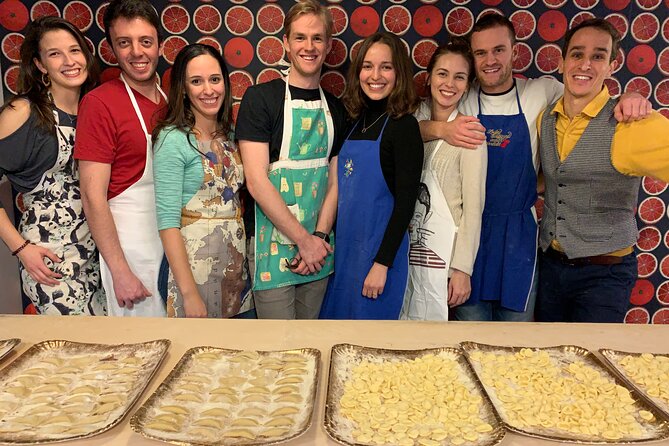
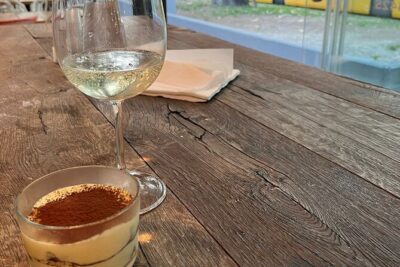
Tiramisu is the dessert lesson. You prepare it as part of the same traditional meal, then eat it after the pasta.
This makes the class feel more complete than a pasta-only workshop. You learn a dough-based dish, a filled pasta, a sauce or accompaniment, and a familiar Italian dessert. The pacing also gives you a natural break between hands-on work and sitting down to eat.
Some hosts have served tiramisu with limoncello at the end, but limoncello is not listed as a standard inclusion, so you should not book expecting it. The confirmed dessert is tiramisu.
Because the dish is prepared during the class, you can ask questions about texture, assembly, and timing as you work. The recipe handout is especially useful here. Tiramisu is easy to make badly if the balance and chilling time are off, so having the written method helps when you try it later.
A different sort of day out, same corner of Lombardy:
- Milan: Cathedral and Duomo’s Terraces Entrance Ticket
★ 4.6 · 61,054 reviews - From Milan: Como & Bellagio with Private Lake Como Cruise
★ 4.6 · 9,788 reviews - Milan: City Sightseeing Hop-On Hop-Off Bus with Audio Guide
★ 4.0 · 6,256 reviews - Milan Cathedral: Duomo Terraces Ticket (No Church Access)
★ 4.6 · 6,111 reviews
A meal with wine, not just a cooking lesson
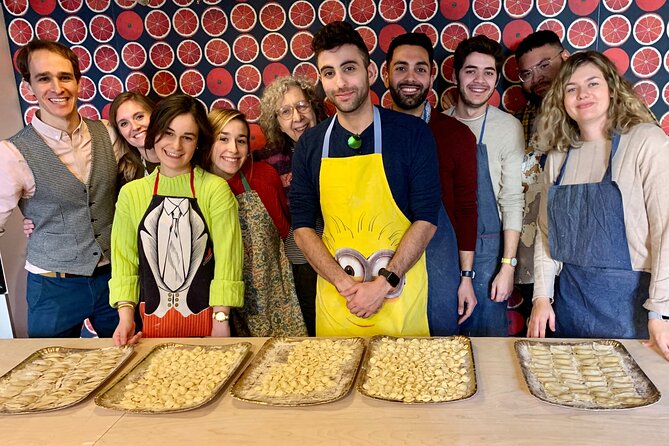
Once the pasta and dessert are ready, you sit down with the host and eat what you made. Each participant receives half a bottle of fine Italian wine, which is a generous inclusion at this price.
At $111.99 per person, the value depends on how you use the experience. You are paying for about three hours of instruction, ingredients, a full meal, dessert, wine, the home setting, and recipes to take away. A restaurant meal in Milan may cost less, but it will not teach you how to make the food or give you the same time with a local cook.
The wine also serves a practical purpose. Hosts explain how local recipes pair with Italian wine, so the meal becomes part of the lesson. You are not expected to be a wine expert. It is simply a relaxed way to connect the dishes with the wider Italian table.
The strongest sessions seem to include conversation alongside the food. Bruna has been praised for sharing stories about Italian cooking and culture, while Federico has explained why pasta shapes come from different parts of Italy. Those details give the meal a sense of place without turning it into a lecture.
The home setting is the real character of the experience
I like the fact that this happens in a home. You get a glimpse of a Milan apartment and a more personal setting than a restaurant kitchen. Several descriptions praise the relaxed atmosphere, roof terrace or patio dining, and the feeling of being welcomed into someone’s everyday space.
That intimacy has limits. A private apartment is not guaranteed to have the space, cleanliness, or equipment you would expect from a professional cooking studio. One session was described as crowded and poorly prepared, with insufficient ingredients for the group and uncomfortable heat. Another involved confusion over the host’s setup and the promised dishes.
The group maximum is 10, which is small enough for individual help in a well-run session. Still, 10 people in a home kitchen can feel tight. If you want a polished culinary-school environment with dedicated workstations, this is not the safest choice.
For me, the home setting is worth accepting when the host is prepared and welcoming. It is less appealing if you need a controlled, formal environment. Families, couples, and work groups have all found the social format enjoyable, but the quality depends heavily on the assigned host.
English instruction and changing hosts
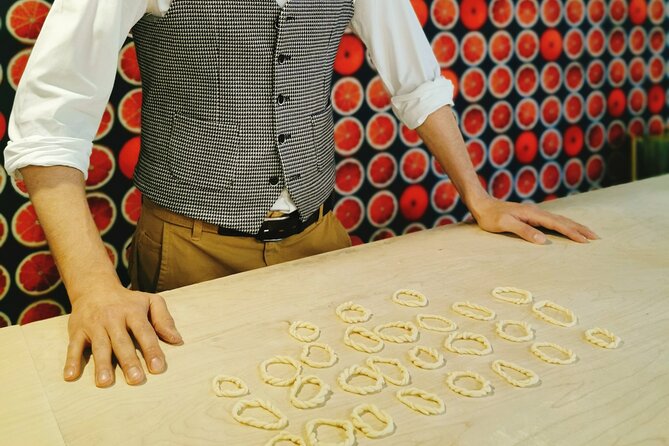
The activity is offered in English. Several hosts have been praised for speaking clearly and explaining both technique and food culture in an easy way.
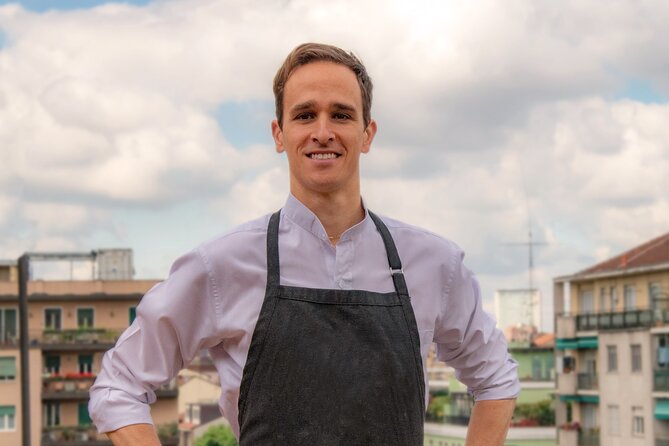
Bruna receives especially strong praise for remembering names, offering personal stories, and making beginners feel comfortable. Federico is described as a patient teacher who explains pasta technique as well as regional background. Vincenzo is also praised as a cook, host, and teacher, including by a family with grandchildren.
You should not assume that one particular host is guaranteed unless your confirmation states it clearly. The supplied information names several hosts, and one booking was transferred to another instructor after the main host had a personal issue. Another participant expected an Italian chef but found an Indian instructor instead, though the class still went well in that case.
That distinction matters. The food lesson may still be sound, but the cultural experience can differ from what you pictured. If meeting an Italian cook in an Italian home is central to your plans, ask for confirmation before paying.
Getting there and avoiding booking trouble
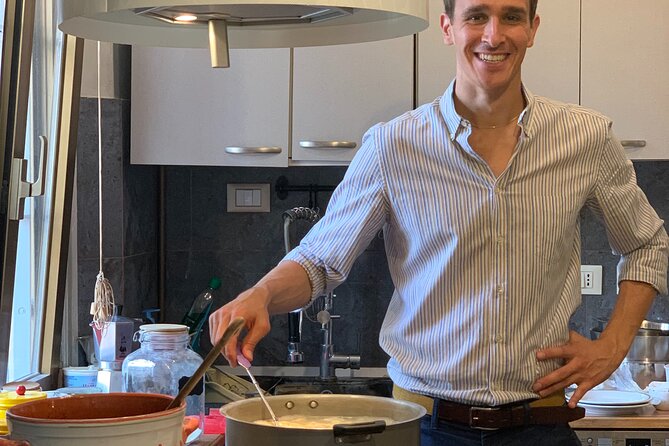
The stated meeting point is Via Monviso 23, 20154 Milano MI, Italy, near public transportation. Clear post-booking directions have helped people reach the apartment without trouble.
However, location changes have caused real inconvenience. One booking received a new address a day before the class, adding about 40 minutes of travel. Another group paid for a taxi after receiving incorrect directions. Build some spare time into your route and check the latest message before setting out.
Do not book this as a last-minute gamble. One person booked only a few hours before the start and arrived to find that the host had not properly closed the date. The booking was later refunded, but the class did not happen. Another same-day booking worked beautifully, yet that success should not be treated as a guarantee.
The cancellation terms are simple: you receive a full refund if you cancel at least 24 hours before the local start time. Changes or cancellations inside 24 hours are not refunded. The minimum group requirement also allows the operator to cancel and offer another date or a full refund.
Who will get the most from this class
This is a good fit if you want food to be the center of your Milan visit. You will get the most from it if you enjoy learning by doing, asking questions, and sharing a meal with the person teaching you.
It suits couples looking for a social evening, families with older children or grandchildren, and small work groups. One 19-year-old and her parent enjoyed the class together, and another work team used it during a conference trip.
It is also useful for anyone who wants a practical souvenir. The recipes let you continue the experience at home, and several people found the instruction clear enough to build confidence with fresh pasta.
You may want to skip it if you require a guaranteed chef, a fixed menu, a formal kitchen, or a specific address that will not change. The mixed rating of 4.2 from 21 reviews reflects a clear pattern: the best sessions are warm, personal, and memorable, while the poor ones involve coordination failures rather than minor culinary flaws.
Is $111.99 a fair price?
I consider the price reasonable if the class runs as planned. Half a bottle of wine, lunch, several pasta preparations, tiramisu, instruction, and recipes add up to more than a simple meal. You also save the cost of a separate restaurant dinner that evening.
The price is harder to justify when the menu is reduced, the location changes without enough notice, or the meal does not include every promised dish. Since the host can vary, the value is not perfectly uniform.
For the best return, treat this as a cultural meal with a cooking lesson attached, not as a strict professional certification course. You are paying for time, company, food, and a window into a Milan home as much as for the pasta technique.
Should you book Milan’s pasta workshop?
I would book it if you are flexible about the host and want a personal, hands-on food experience. The strongest version includes a welcoming cook such as Bruna or Federico, a small group, clear instruction, wine at the table, and recipes that keep working for you after Italy.
Before you commit, confirm the final address, start time, host, menu, and dietary requirements. Book at least a day ahead, and allow extra travel time. If those details are handled properly, this can be one of the more satisfying ways to spend three hours in Milan. If you need a guaranteed setting and fixed menu, choose a dedicated cooking school instead.
FAQ
Where does the Milan pasta class begin?
The stated meeting point is Via Monviso 23, 20154 Milano MI, Italy. The activity ends back at the meeting point.
How long does the experience last?
The class lasts approximately three hours.
What language is the class offered in?
The experience is offered in English.
How many people can join the class?
The maximum group size is 10 participants.
What pasta will I make?
You will learn to make fresh pasta, traditional ravioli, and tagliatelle. The exact shapes, fillings, and number of preparations may vary by host.
Is tiramisu included?
Yes. Tiramisu is the listed dessert, and you prepare it during the class.
Is wine included?
Yes. Each participant receives half a bottle of fine Italian wine.
Do I eat the food I make?
Yes. The prepared pasta and tiramisu are served as part of the meal.
Do I receive the recipes?
Yes. You receive recipes for the dishes prepared during the experience so you can make them at home.
Can I cancel for a refund?
You can cancel at least 24 hours before the local start time for a full refund. Cancellations or changes made less than 24 hours before the start are not refunded.
Just added around Milan
- Milan: Food Tour with Pasta, Pizza, Cannoli, and Tiramisu!★ 4.3 · 3 reviews
- Varenna Walking Tour and Cooking Class★ 5.0 · 3 reviews
- 1-Day Personal Fashion Styling Course for Women★ 5.0 · 3 reviews
- Private Wine Tasting in Bellagio with Chef Luigi Gandola★ 5.0 · 3 reviews
- Walking Tour in Lake Como with Lierna Cooking Class★ 5.0 · 3 reviews
- Milan: 4-Hour Art and History Private Walking Tour★ 5.0 · 3 reviews
- Mantova: Private Walking Tour★ 4.3 · 3 reviews
- Wine and Food tasting PRIVATE Guided Tour★ 5.0 · 3 reviews
Workshops, compared.
Pasta and Tiramisu Small Group Cooking Class with Wine
Read our review →
Milan Cooking Class: Authentic Pizza & Gelato Making
Read our review →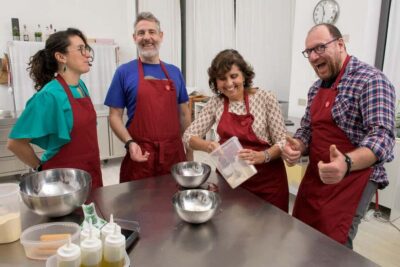
Milan Culinary Experience: Pasta & Gelato or Tiramisù Class
Read our review →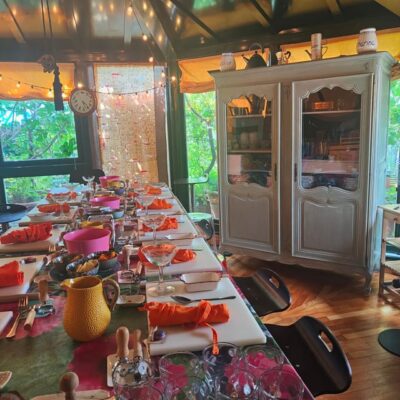
Pasta, Ravioli, and Gelato Class in a Glamorous Home
Read our review →