
Reviewed · WALKING TOURS
Brescia: Private Guided Walking Tour
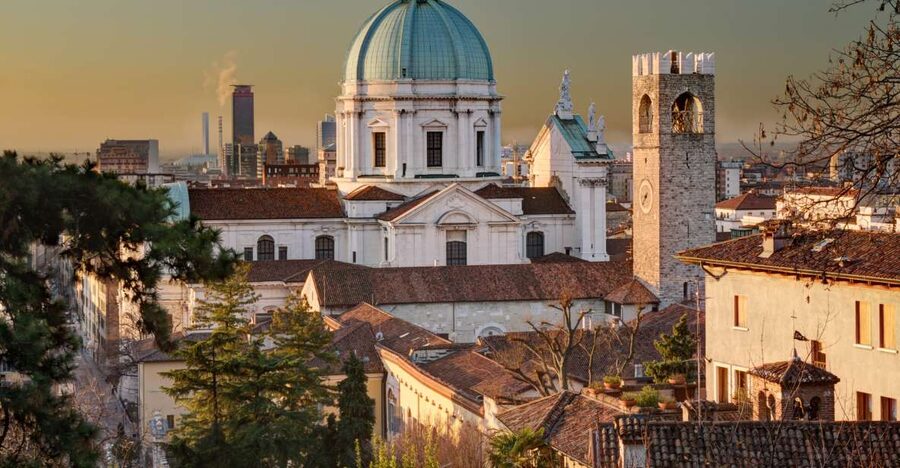
Brescia packs Roman ruins, a round medieval cathedral, Renaissance architecture, and World War II-era urban design into a compact historic center. This private two-hour walk gives you a clear route through the city without the shuffle of a large group.
I especially like the chance to compare the ancient remains with the elegant Piazza della Loggia, and I like that the guide can focus on your questions. The main consideration is the price, $124.61 per person, which is a serious outlay for two hours unless you value private attention and a quick introduction to Brescia.
In This Review
- Key points at a glance
- Why Brescia rewards a guided walk
- Starting at Piazza del Foro and the Roman past
- The Rotonda and Brescia’s medieval character
- Piazza della Loggia and the Renaissance center
- The Ten Days and the identity of the lioness
- Piazza della Vittoria and the twentieth century
- What the private format changes
- Is $124.61 per person a fair price?
- Accessibility, timing, and what to bring
- Who will get the most from this Brescia walk?
- Should you book the Brescia private walking tour?
- FAQ
- Where does the Brescia walking tour start?
- Where does the tour end?
- How long does the tour last?
- Is the tour private?
- Which languages are available?
- Is the tour wheelchair accessible?
- What should I bring?
- Can I bring luggage or a large bag?
- Is a guide included?
- Can I cancel for a refund?
Key points at a glance
- Roman Brescia begins at Piazza del Foro: The meeting point puts ancient remains at the heart of the walk.
- The Rotonda gives the tour a memorable centerpiece: Brescia’s medieval cathedral is known for its unusual round form.
- Piazza della Loggia shows the Renaissance city: Expect an architectural change of mood from Roman ruins to refined civic buildings.
- Piazza della Vittoria adds a modern political layer: The square connects Brescia with the period around World War II.
- A private guide keeps the pace flexible: You can ask for more detail about art, ancient history, or the city’s Ten Days.
- English, Italian, and Spanish are available: The walk is also wheelchair accessible, though comfortable shoes are still a good idea.
Why Brescia rewards a guided walk
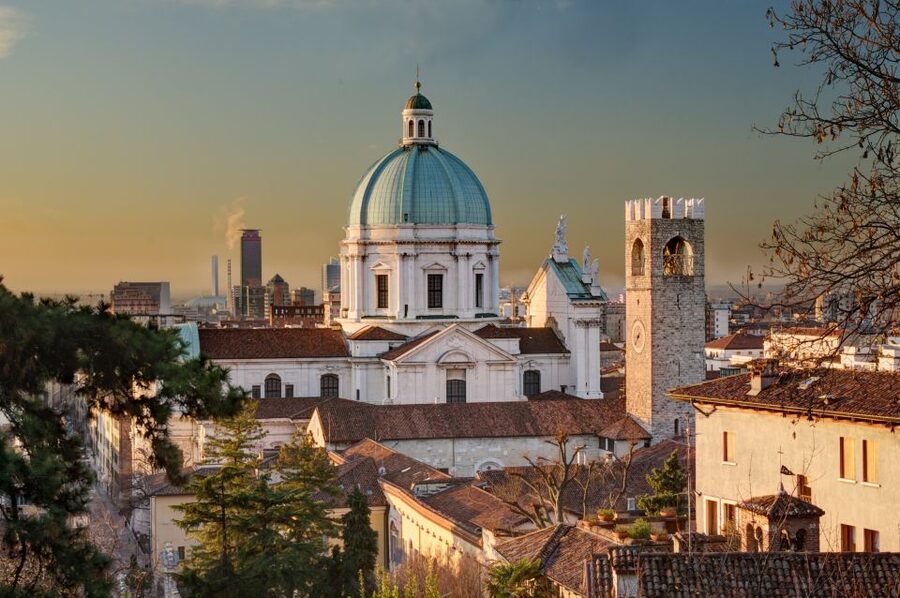
Brescia is not usually the first Italian city on a visitor’s list. That is part of its appeal. You get a place with serious artistic and historical weight, but without the pressure of ticking off a famous European capital in a few hours.
The city is known as the lioness of Italy, a name linked to its role in the Ten Days of Brescia during the struggle for Italian unification. That story gives the walk a local pulse. You are not just looking at handsome buildings. You are hearing how Brescia remembers resistance, civic pride, and change.
The city has also been added to the UNESCO World Heritage list. That recognition reflects the importance of its historic remains, but you do not need to be an expert in archaeology or architecture to enjoy the route. A good guide can point out how the city’s layers fit together: Roman foundations, medieval religious buildings, Renaissance public spaces, and twentieth-century planning.
I see this tour as a useful first look rather than a complete survey of Brescia. Two hours is enough to understand the shape of the historic center and decide what deserves a longer visit. It is not enough for an unhurried examination of every monument.
A few more Brescia trips worth weighing up
- Brescia: Digital Guide made by a Local for your walking tour
★ 4.7 · 46 reviews - Brescia Walking Tour with Audio and Written Guide by a Local
★ 4.5 · 44 reviews - Lake Garda at Sunset: Desenzano Walk & Boat around Sirmione
★ 5.0 · 18 reviews
Starting at Piazza del Foro and the Roman past
The walk begins at Piazza del Foro, 6. That is a strong meeting point because the ancient Roman remains are part of the city’s visible center rather than something isolated on the outskirts.
Piazza del Foro introduces you to Brescia’s oldest layer. As you listen to the guide, you can place the city in a much longer timeline before moving on to its medieval and Renaissance buildings. This sequence matters. Without context, Roman stones can look like scattered fragments. With an explanation, they become evidence of the city’s early importance.
Expect the guide to use the Roman remains as a starting point for the city’s ancient story. The supplied details do not promise a particular excavation, interior visit, or archaeological museum entry, so you should think of this as an outdoor walking stop rather than a full archaeological tour.
I like beginning here for another reason: it gives you an immediate sense of Brescia’s compact historic center. You start among ancient remains, then move on foot toward the major squares and religious landmarks. There is no transport between stops, and the two-hour format keeps the route focused.
Wear comfortable shoes. That is the one item specifically recommended, and it makes sense for a walking tour through an old urban center. Large bags and luggage are not allowed, so this is not a good activity to schedule while handling suitcases or bulky shopping bags.
The Rotonda and Brescia’s medieval character
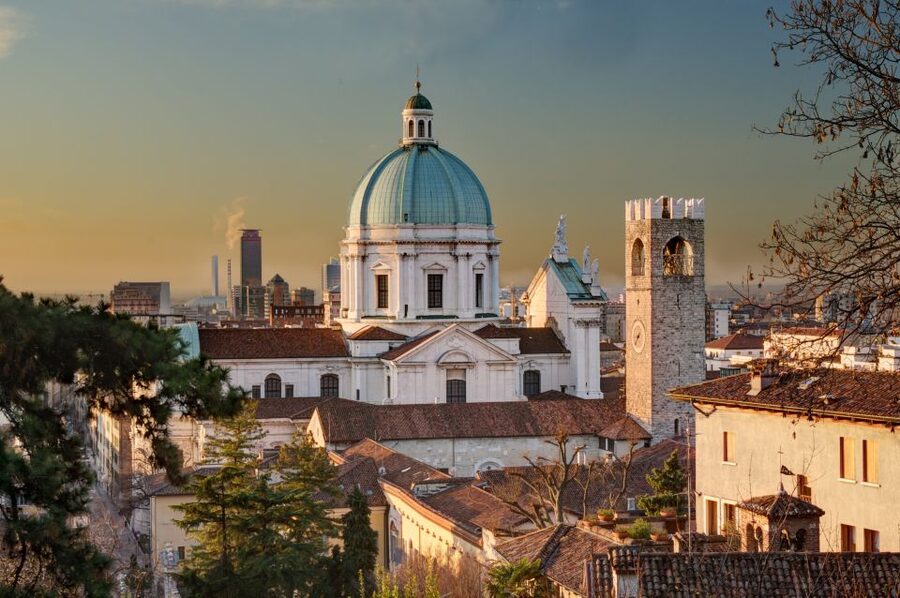
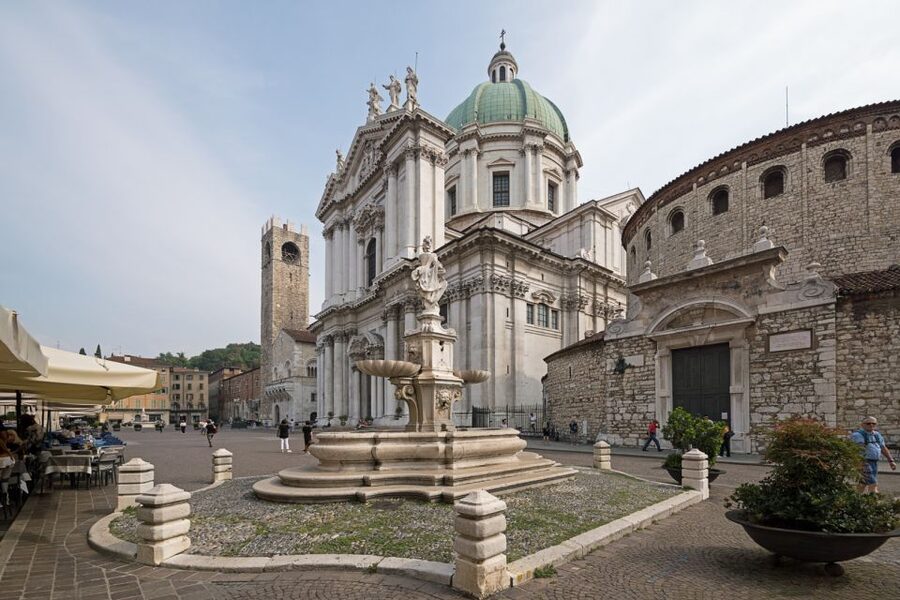
One of the walk’s main sights is the medieval cathedral known as the Rotonda. Its circular form gives it an identity that is easy to remember, especially after seeing the more formal lines of the city’s public squares.
The Rotonda helps show how different periods left their mark on Brescia. After the Roman remains, the cathedral shifts the focus to religious life and medieval architecture. The guide’s role is especially useful here because the building’s shape and age raise obvious questions that are hard to answer from a quick look alone.
The supplied information does not confirm an interior visit, admission ticket, or extended time inside the cathedral. Plan on learning about the Rotonda as part of the walking route, not on treating this booking as a dedicated cathedral tour.
Still, I would not dismiss a short stop. A guide can help you notice the contrast between the Rotonda and the neighboring architecture, explain why the building matters, and connect it to Brescia’s wider development. If religious art or medieval buildings are your main interest, use the private format to ask for more detail.
The private arrangement is valuable here. In a large group, a short explanation can disappear into background noise. With your own guide, you can ask whether the building’s history, design, or role in the city is the best subject to pursue.
Piazza della Loggia and the Renaissance center

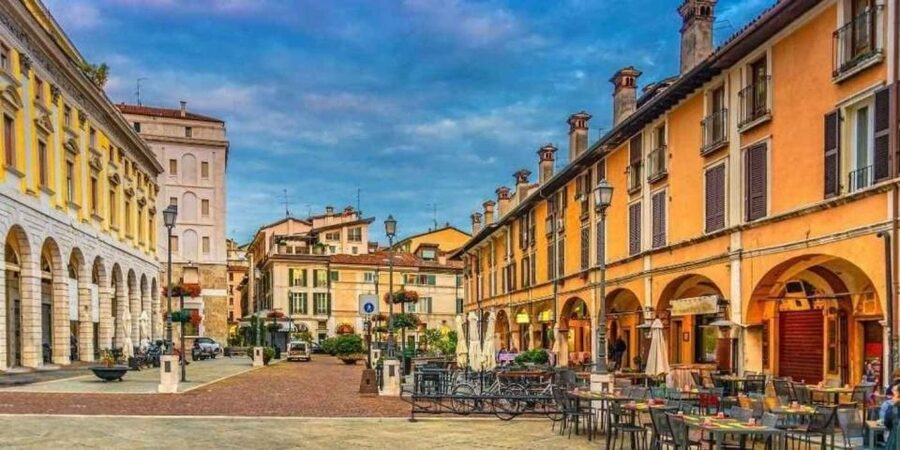
Piazza della Loggia is another central part of the route. This is where Brescia’s Renaissance character comes forward, with a civic setting that feels different from both the Roman starting point and the medieval Rotonda.
The square is described as Renaissance, so expect the guide to focus on its architecture and public role. It is the kind of place where the layout matters as much as any single building. Listen for how the square was shaped as a center of civic life, and pay attention to the change in scale and style from the earlier stops.
I like this section because it turns the tour into a lesson in visual comparison. Roman Brescia feels archaeological. The Rotonda brings a religious and medieval mood. Piazza della Loggia presents a more ordered civic image. You do not need technical art terms to see the progression, but a guide can make the distinctions clearer.
The tour description also promises anecdotes and curious details. That is worth keeping in mind. A walk through a square can become dry if it is reduced to dates and architectural labels. Local stories give the place a human scale, and the private setting makes it easier to pause when something catches your interest.
Do not expect a long independent break here. The full tour lasts only two hours and includes several major areas. If you want photographs, take them efficiently and stay aware of the meeting point with your guide.
More Brescia and Franciacorta trips:
- Canyoning “Gumpenfever” – beginner Canyoningtour for everyone
★ 5.0 · 391 reviews - Milan: Franciacorta Winery and Bergamo Day Trip with Lunch
★ 4.8 · 85 reviews - Wine Tour and Tasting of Lugana Wines in Desenzano
★ 5.0 · 58 reviews - From Bergamo: Winery Tour in Franciacorta with Lunch
★ 4.6 · 34 reviews
The Ten Days and the identity of the lioness
Brescia’s nickname, the lioness of Italy, is tied to the city’s history of resistance during the Ten Days of Brescia. These events belong to the period of Italian unification and help explain why civic pride remains such a visible part of the city’s identity.
This subject gives the tour more depth than a simple architecture walk. The buildings are not just attractive backdrops. They are connected to political events, local heroes, and the struggle to shape a unified Italy.
A guide can help place the Ten Days within Brescia’s streets and squares. The provided information does not specify a dedicated monument, plaque, or single stop devoted to the event, so the exact treatment may depend on the route and the guide. If this period interests you, ask about it early in the tour.
I would make that request directly. Private tours work best when you tell the guide what you want to understand. You may prefer art and medieval architecture, or you may want the political story of Brescia. The option to steer the conversation is one of the clearest advantages over a standard group walk.
The tour does not promise a specialist lecture on Italian unification. It offers an introduction to the city’s local connection with that national story. For most people, that is the right level during a two-hour orientation.
Piazza della Vittoria and the twentieth century
Piazza della Vittoria brings the route into a more modern chapter. The square tells part of the story of the period around World War II and includes anecdotes and curious details that may not be obvious from its monumental appearance.
This stop broadens the tour beyond the expected medieval Italy. Many short city walks focus only on old stone, churches, and Renaissance facades. Here, you get a look at how a major square can reflect a later political and urban period.
The supplied information says the square tells of the time of World War II, but it does not provide details about individual buildings or events. That means you should listen to the guide for the local context rather than arrive expecting a specific museum or war memorial visit.
I like including this kind of stop because it prevents Brescia from becoming a postcard version of Italy. The city has continued to change, and Piazza della Vittoria helps show that. It also gives you a useful contrast with Piazza della Loggia. One represents Renaissance civic design, while the other points toward twentieth-century ideas and history.
The square may be especially useful if you have already seen several medieval Italian centers. It gives your visit a different angle and may help you understand why Brescia feels like a living city rather than a preserved stage set.
What the private format changes
This is a private group activity with a certified guide. That detail matters more than it might appear. You are not simply paying for a set route. You are paying for a guide who can adjust explanations to your interests and keep the group together at your own pace.
The available languages are Italian, English, and Spanish. Choose the language that lets you ask easy follow-up questions, especially if you want to discuss the Ten Days, the Roman period, or the artistic differences among the squares.
Laura is specifically associated with the experience and is described as an excellent, interesting guide who has a real affection for Brescia. That gives you a useful clue about the tone to hope for: local pride, clear explanations, and more than a string of dates. The exact guide is not guaranteed in the supplied details, so do not book on the assumption that Laura will lead every departure.
Private does not mean unlimited time. You still have two hours, and the walk ends back at Piazza del Foro. The guide can give more attention to your questions, but you cannot reasonably expect a full treatment of every church, palace, and archaeological site in central Brescia.
For a couple or small family, the format can be comfortable and efficient. It is also helpful if members of your group have different interests. One person can ask about art, another about wartime history, and the guide can connect the subjects without forcing everyone into a fixed lecture.
Is $124.61 per person a fair price?
At $124.61 per person, this is not a bargain-basement city orientation. The price needs to be judged against the private format, the certified guide, and the chance to receive explanations in English, Italian, or Spanish.
For a solo visitor, the cost is harder to justify. You are paying for a private experience, but there is no larger group with whom to share the cost. For a couple, family, or small party, the value improves if you prefer personal attention and want to make good use of a short stay.
I would compare this price with your own plans. If you intend to wander Brescia without much background, the tour can save time and give you a sensible framework. If you already know the city well, speak Italian, or plan to spend several days reading and visiting sites independently, the value may be less clear.
The strongest reason to pay is not the number of sights. It is the interpretation. You can see Roman remains and squares on your own, but you may miss the connections between them. A private guide helps turn separate places into one story about Brescia.
The weaker point is duration. Two hours passes quickly once you include introductions, walking, questions, and several stops. Think of the price as payment for a focused introduction, not a full-day cultural program.
Accessibility, timing, and what to bring
The activity is wheelchair accessible, which makes it a practical option for many visitors. The supplied information does not describe the surface conditions at each stop or give details about accessible entrances, so anyone with specific mobility needs should confirm the route details before booking.
Starting times vary. You need to check availability for the date you want, and the tour begins and ends at Piazza del Foro, 6, in Brescia. Returning to the same point is convenient if you are continuing your own walk through the center afterward.
Bring comfortable shoes and leave luggage or large bags elsewhere. This is a walking experience, not a luggage transfer service. The restrictions are simple but important if you are arriving from a train station or checking out of accommodation.
Cancellation is free up to 24 hours before the start for a full refund. You can also reserve now and pay later, which helps if your itinerary is still shifting. These policies do not change the tour itself, but they reduce the risk of booking a fixed activity too early.
Who will get the most from this Brescia walk?
I would recommend this tour to a first-time visitor who wants a quick, guided introduction to Brescia’s historic center. It also suits anyone who values local context more than a long list of formal admissions.
Art lovers should appreciate the movement from Roman remains to the Rotonda and Piazza della Loggia. History-minded visitors will have several threads to follow, including ancient Brescia, the Ten Days of Italian unification, and the twentieth-century story told through Piazza della Vittoria.
The tour is also a good match for visitors who dislike large groups. You can ask questions without waiting for a crowd to move, and you can tell the guide which subjects matter most to you.
I would hesitate if you want an interior-focused tour with guaranteed access to specific monuments. The details provided do not include entrance tickets or promise time inside the Rotonda. I would also hesitate if $124.61 per person feels high for a two-hour walk and you are comfortable exploring on your own.
Should you book the Brescia private walking tour?
Book it if you want Brescia explained rather than simply photographed. The route links Roman remains, the medieval Rotonda, Renaissance Piazza della Loggia, the Ten Days, and Piazza della Vittoria’s twentieth-century story in one compact introduction.
The best reason to choose it is the private guide. You get a focused conversation, several languages to choose from, and the ability to ask about the parts of Brescia that interest you most. The main caution is value: two hours is brief, and $124.61 per person is a premium price.
For a first visit, especially with limited time, I think the tour makes sense. For a confident independent explorer, it is worth booking only if personal explanation and local stories matter more to you than keeping costs down.
FAQ
Where does the Brescia walking tour start?
The tour starts at Piazza del Foro, 6, 25121 Brescia BS, Italy.
Where does the tour end?
The activity ends back at the meeting point in Piazza del Foro.
How long does the tour last?
The walking tour lasts two hours.
Is the tour private?
Yes. It is offered as a private group activity.
Which languages are available?
The live guide is available in Italian, English, and Spanish.
Is the tour wheelchair accessible?
Yes, the activity is listed as wheelchair accessible.
What should I bring?
Bring comfortable shoes for the walking route.
Can I bring luggage or a large bag?
No. Luggage and large bags are not allowed.
Is a guide included?
Yes. A certified tour guide is included.
Can I cancel for a refund?
You can cancel up to 24 hours in advance for a full refund. You can also reserve now and pay later.
Just added around Brescia
- Museo Diocesano di Brescia: Entrance ticket★ 5.0 · 3 reviews
- Private Full-Day Tour by Boat in Lake Garda★ 5.0 · 4 reviews
- Beautiful Brescia – Guided Walking Tour★ 5.0 · 4 reviews
- Sirmione Sunset Tour★ 5.0 · 5 reviews
- Private Cooking Class at a Cesarina’s Home in Desenzano del Garda★ 5.0 · 6 reviews
- Brescia Hidden Legends: Self-Guided Puzzle Quest★ 4.5 · 6 reviews
- Milan: Brescia & Franciacorta with Wine Tasting Small Group★ 4.2 · 6 reviews
- Sato Code Escape Room across Iseo★ 4.5 · 7 reviews
Walking Tours, compared.
Guided Walking Tour & Last Supper Visit with Ticket
Read our review →
Guided Walking Tour with Last Supper Skip-the-Line
Read our review →
Guided Street Food Walking Tour with Food Tasting
Read our review →
Guided Walking Tour with Duomo and the Last Supper
Read our review →
Best of City Walking Tour with Last Supper Tickets
Read our review →
Milan Highlights and Hidden Gems Private Guided Walking Tour
Read our review →
Browse the lists this tour appears in