
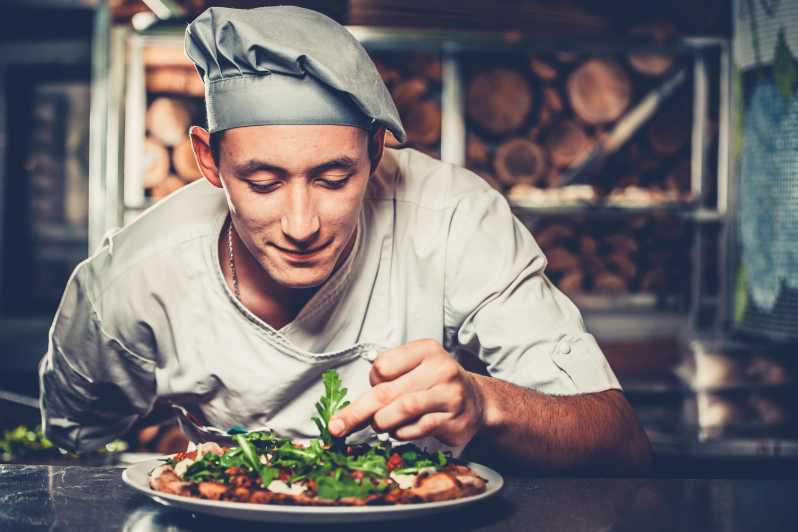
Reviewed · COOKING CLASSES
Como: Premium Pizza-Making Class at a Pizzeria
The best part of this Como experience is that you do not simply watch a pizzaiolo toss dough. You make the dough, practice staglio, shape your own panetto, and take your pizza to the wood-fired oven. I like the individual workstations and the relaxed meal afterward, with wine or Italian craft beer included. The main catch is simple: the class costs $112.15, and children under 14 and anyone needing gluten-free dough cannot join.
Francesco and Eya guide the class in English, keeping the group to eight people. I also like that the lesson goes beyond a recipe: you learn how to adjust ingredients and cooking methods for a home kitchen, including places where a traditional pizza oven is not available. Expect a hands-on, social activity rather than a quiet cooking demonstration.
In This Review
- Key points at a glance
- Why this Como pizza class is different
- Starting with dough, not shortcuts
- The staglio step and the panetti
- A bruschetta break before the oven
- Shaping and topping your own Margherita
- The wood-fired oven moment
- Eating together with wine, beer, and limoncello
- What you take home besides a full stomach
- Who should book this experience
- Timing, group size, and booking value
- The main strengths and limitations
- Should you book the Como pizza-making class?
- FAQ
- How long does the Como pizza-making class last?
- How much does the pizza-making experience cost?
- Is the class taught in English?
- How many people can join the class?
- What food and drinks are included?
- Can I choose my own pizza toppings?
- Are vegan and lactose-intolerant participants accommodated?
- Can children attend the class?
Key points at a glance
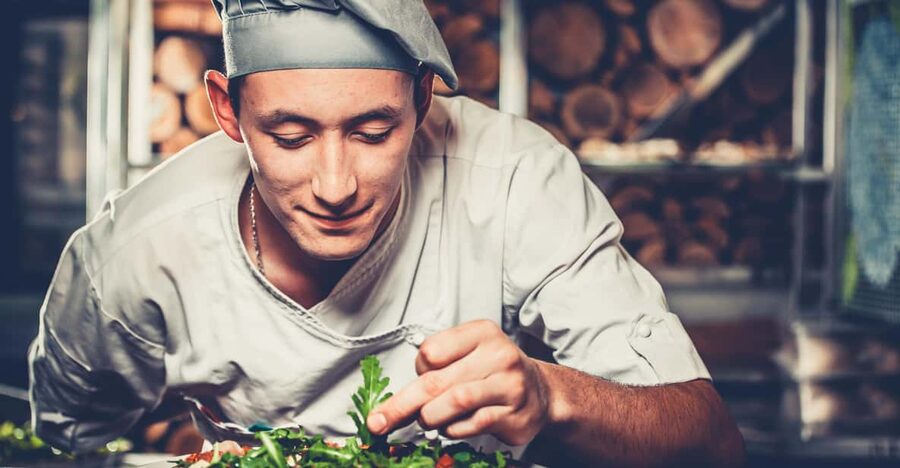
- You make the dough from scratch: Learn proportions, kneading, and rising times for a thin, soft Neapolitan crust.
- You practice ancient staglio: Divide and shape the dough into individual panetti before making the pizza.
- You bake your own Margherita: Roll, top, and cook your pizza with help from the chef beside a wood-fired oven.
- You can personalize the toppings: Start with a Margherita and add preferred ingredients, with vegan and lactose-intolerant options available.
- The meal is part of the lesson: Bruschetta comes before the pizza, followed by wine or craft beer, water, and limoncello.
- The class stays small: With no more than eight participants, the instructor can give each person time at the work surface and oven.
Why this Como pizza class is different
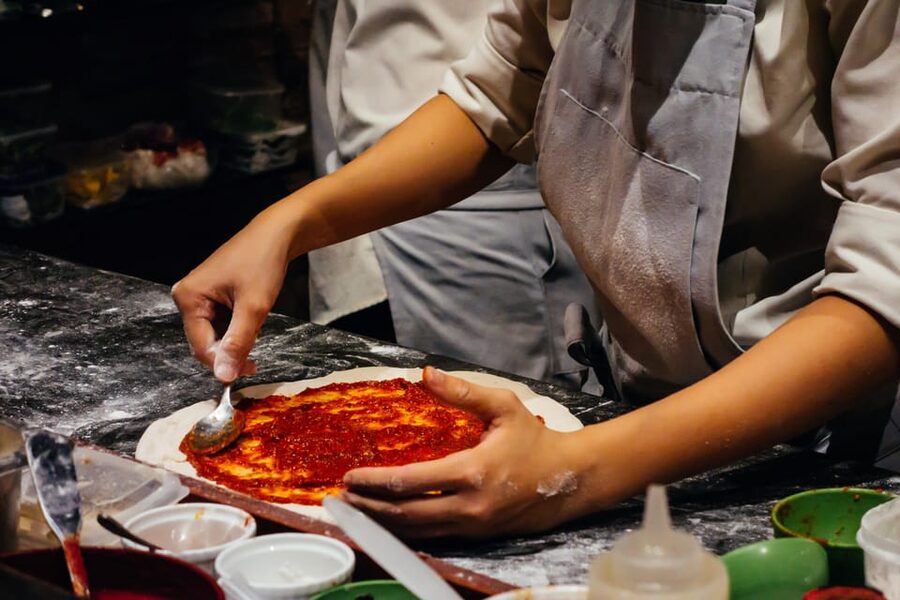
Pizza classes can range from a short demonstration to a full meal with a little stirring on the side. This one aims for the more useful middle ground. You work through the basic dough process, then cook and eat the result.
That matters because Neapolitan pizza is less about piling on toppings and more about handling dough correctly. The class focuses on proportions, kneading, and rising times, the parts most likely to go wrong when you try the recipe at home.
You also learn staglio, an old method for dividing a larger batch of dough into neat individual balls, or panetti. It sounds technical, but it is a practical skill. Good dough balls help you shape an even crust later, and the lesson gives you a better feel for how dough should be handled before it reaches the oven.
The setting is a working pizzeria in Como, not a formal culinary school. That gives the activity an easy, social tone. You are there to learn, but also to eat lunch or dinner with the people around you.
The pizzeria has received Travellers’ Choice recognition in 2022 and 2023, and the experience is conducted in English. The five-star rating attached to the activity reflects a strong pattern of approval, especially for the friendly teaching and the quality of the pizza itself.
More Cooking Classes in Lake Como
- 3-Recipe Italian Cooking Class in Como – Cesarine Best NYT Hosts
★ 5.0 · 186 reviews - Bellagio Cook With a View + Villa Melzi
★ 5.0 · 98 reviews - Cook on Lake Como with amazing views at our convent or terrace
★ 5.0 · 49 reviews
Starting with dough, not shortcuts
The class begins with the foundation of the meal: dough. At your own station, you work through the basic stages under the chef’s direction.
You learn the correct proportions and kneading methods rather than receiving a ready-made ball. The instructor also explains rising times, which are crucial to the final texture. A thin, soft Neapolitan crust needs dough that has been prepared and rested properly, not simply rolled out as soon as the ingredients are mixed.
This is where Francesco’s teaching style appears especially useful. He explains the process clearly and answers questions from beginners and more experienced home cooks. You do not need previous pizza-making skills, and the class is structured so that first-time participants can keep up.
At the same time, this is not a masterclass for professional pizzaioli. In 2.5 hours, you get a practical introduction, not a full course in fermentation, flour science, or restaurant production. That is a fair trade for a holiday activity, but serious bakers may want to treat it as a starting point rather than a complete technical education.
The staglio step and the panetti
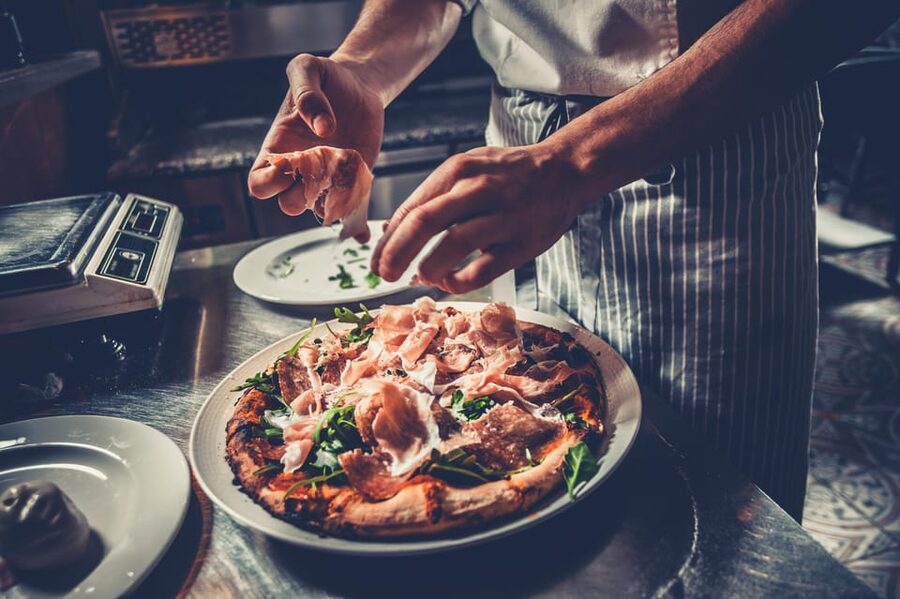
Once the dough is prepared, the group moves to staglio. Here, you divide the dough and shape each portion into a panetto.
This step is easy to overlook when you buy pizza, yet it affects how the dough behaves later. A well-shaped dough ball gives you a better starting point for stretching the crust. The chef demonstrates the motion, then lets you practice it yourself.
I like this part because it turns an old technique into something you can repeat at home. You are not just memorizing a recipe. You are learning how to judge dough by touch and shape, even if you will need more practice before your own panetti look perfect.
The small group size helps here. With a maximum of eight participants, Francesco or another member of the team can correct hand positions and answer questions without leaving people waiting for long. If the class fills, you should still expect a shared group activity rather than private instruction, but the format is more personal than a large cooking demonstration.
A bruschetta break before the oven

Before making the pizza, you take a break for bruschetta. This gives you a taste of Italian food while the lesson changes pace.
It also helps keep the class from feeling rushed. Dough preparation requires attention, but pizza-making is more enjoyable when you have time to pause, chat, and watch the next stage. The bruschetta is a small part of the experience, yet it adds a proper lunch or dinner rhythm instead of making the class feel like a single long task.
If you are booking this as your main meal, remember that the included food is centered on the pizza you create. Bruschetta comes first, and the class also includes water and one alcoholic drink. It is not presented as a multi-course restaurant dinner, so arrive with the right expectation.
More cooking classes:
- Premium Pizza Making Class at a Pizzeria in Como
★ 5.0 · 48 reviews - Cesarine: Home Cooking Class & Meal with a Local in Varenna
★ 4.5 · 46 reviews - Varenna: Pasta & Tiramisu Cooking Class at a Local’s Home
★ 4.9 · 37 reviews - Pasta Fresca Hands-on Cooking Class with a Local in Como
★ 5.0 · 35 reviews
Shaping and topping your own Margherita
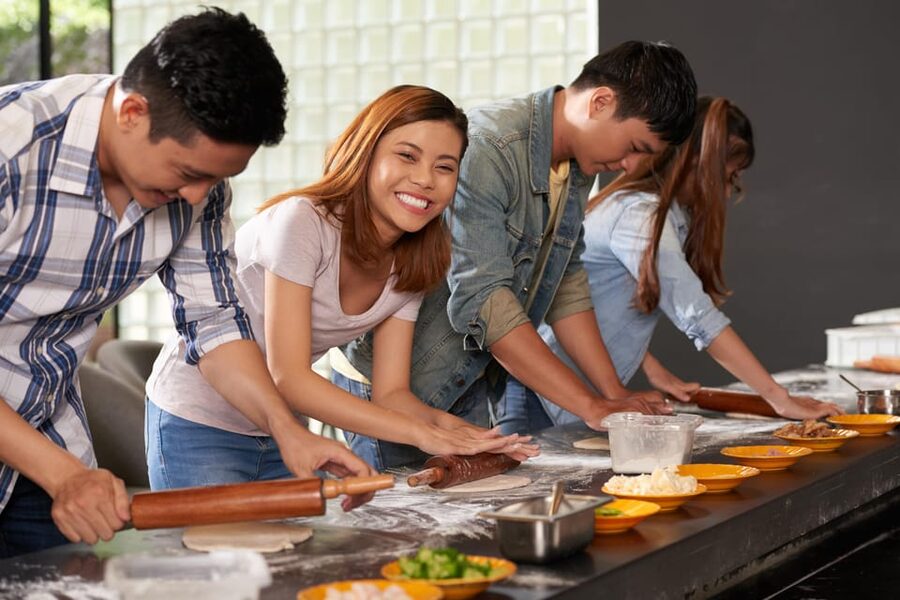
Next comes the part most people picture when they think of a pizza class. You shape the dough, add the toppings, and prepare your Margherita.
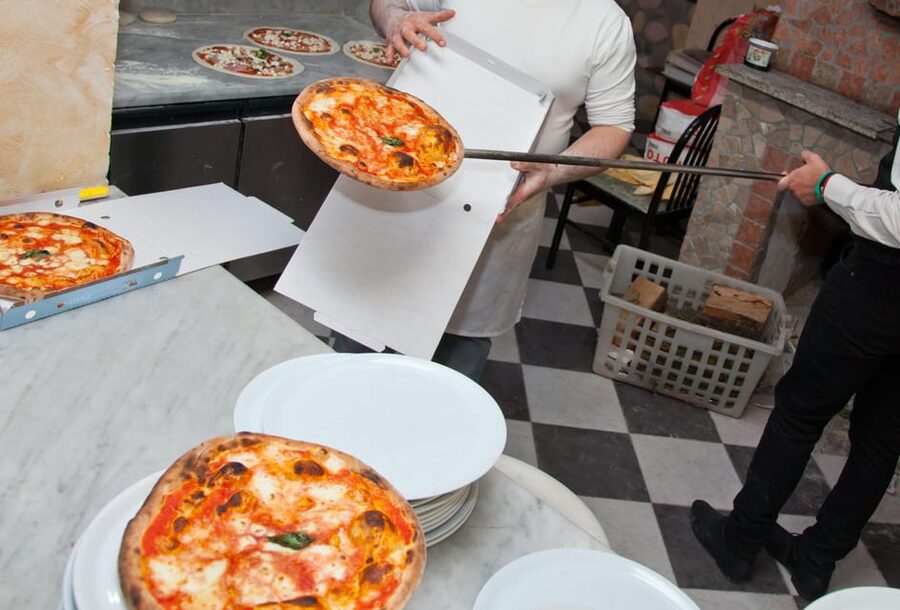
The chef helps you roll or stretch the base and guides you through the topping stage. The classic ingredients include San Marzano tomatoes and fresh basil, giving you the familiar combination associated with Neapolitan pizza.
You can also add your preferred toppings. That flexibility is useful for couples or friends with different tastes. One person can keep the pizza traditional, while another can make a more personal version.
The menu can accommodate vegan and lactose-intolerant participants. Gluten-free dough is not available, so this class is not suitable if you require a gluten-free meal. That limitation is important to check before booking, since the entire activity centers on handling and eating regular pizza dough.
The toppings are not the main lesson, however. The real skill is keeping the base thin without tearing it and avoiding so many ingredients that the center becomes heavy. The chef’s help is most valuable at this point, particularly if you have never shaped a soft pizza base by hand.
The wood-fired oven moment
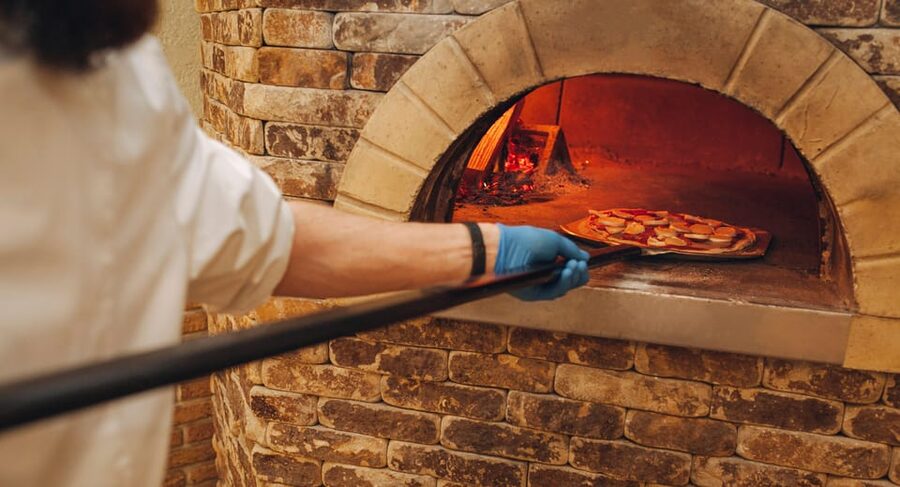
After topping your pizza, you take it to the wood-fired oven with the chef’s assistance. This is the most memorable part for many people because you see how quickly the pizza changes from dough to meal.
You can expect heat, speed, and a little coordination. The chef helps with the oven work, so you are not left to manage a hot professional oven on your own. The aim is to give you the experience of stepping into the pizzaiolo’s role while keeping the process safe and controlled.
The aroma of tomato and basil becomes part of the lesson here. More important, you see why Neapolitan pizza is served quickly after shaping. The thin base and fresh toppings are designed for a hot oven and a short cooking time.
Do not expect to operate the oven independently or receive a technical lesson on fuel, temperature measurement, or commercial oven maintenance. The focus is on making and baking one pizza successfully. For most people, that is exactly the right level for a holiday class.
Eating together with wine, beer, and limoncello
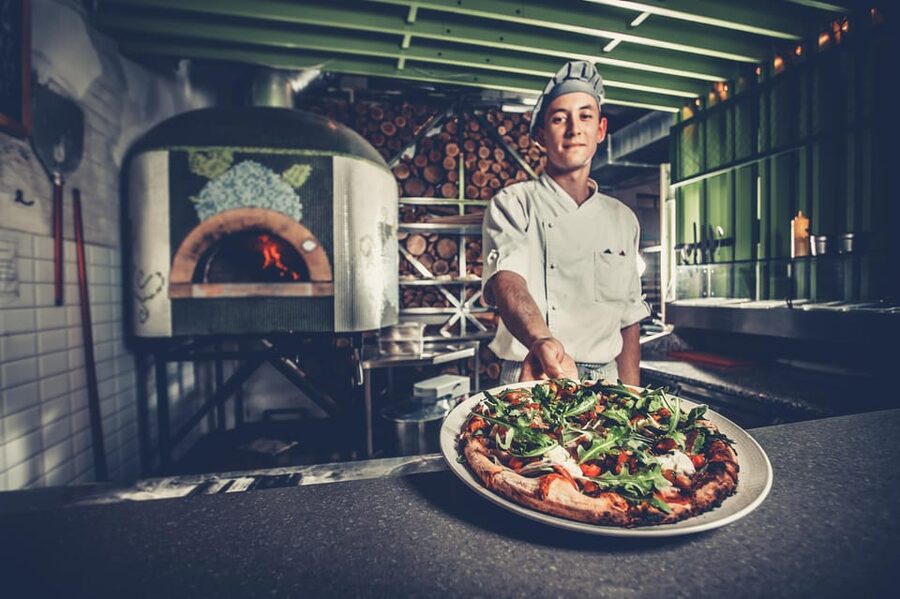
Once your pizza is ready, you sit down and eat it. The meal includes one alcoholic drink, either Italian craft beer or wine, plus water.
This shared table is an important part of the experience. You have spent time making the food, so eating it immediately gives the class a satisfying finish. Francesco and Eya also make time for conversation, and the atmosphere is intended to be friendly rather than formal.
The final toast is limoncello. It is a small Italian flourish, but it rounds out the meal and gives the class a clear ending.
The drink package adds value to the $112.15 price, though the bigger value comes from the instruction and the hands-on format. If you only want to eat pizza, the class is expensive compared with a standard pizzeria meal. If you want a meal plus a practical activity, a small group, a chef-led lesson, and a recipe to use later, the cost is easier to justify.
What you take home besides a full stomach
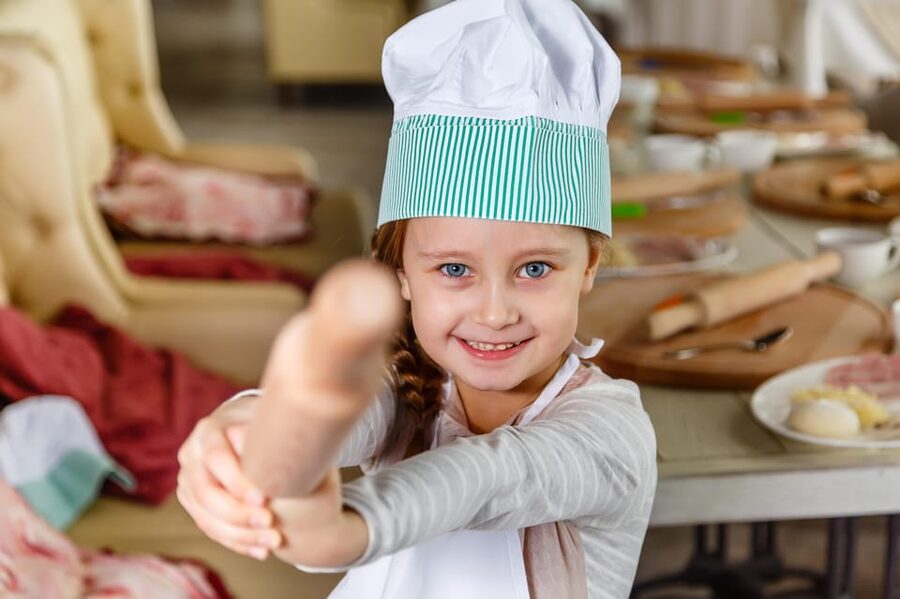
The recipe is included, so you can try the pizza again after returning home. This is where the class has more lasting value than a typical restaurant meal.
The teaching also covers ways to adapt the method to your own location. Participants have received advice on ingredient substitutions and cooking adjustments for home kitchens, including how to work without a fancy pizza oven.
That point is worth stressing. Authentic Neapolitan pizza depends on high heat, and most home ovens cannot copy a professional wood-fired oven exactly. The practical advice helps you aim for the best result with the tools you have instead of assuming that the recipe only works in Como.
Your first attempt at home may not match the pizzeria pizza. That is normal. The useful outcome is knowing what to look for: dough consistency, rising time, a thin base, a sensible amount of topping, and quick cooking.
Who should book this experience
I would recommend this class to adults and families with teenagers aged 14 or older who want a social food activity in Como. It works particularly well for couples, friends, and small groups who want to share a meal but also do something active.
Beginners should feel comfortable joining. You receive direct instruction, and the class does not assume that you already know how to knead or shape dough. More experienced cooks can ask for variations and topping suggestions, and the team has shown flexibility when participants want to move slightly beyond the planned Margherita.
The class also suits people who enjoy meeting local hosts. Francesco and Eya do more than give instructions. They answer questions about Italian food and can offer ideas for things to do in Como, based on the experience described by participants who spent time talking with them.
It is less suitable for young children, anyone who needs gluten-free food, or visitors who prefer a quiet meal with no group activity. It is also not the best choice if you want to cook several different dishes. The focus stays firmly on one normal pizza per person, with bruschetta and drinks around it.
The activity is wheelchair accessible, which makes it a useful option for visitors checking practical access needs. The provided information does not detail the exact layout or restroom facilities, so you should confirm any specific requirements before booking.
Timing, group size, and booking value
The class lasts 2.5 hours. That gives enough time for instruction, dough work, the staglio practice, bruschetta, pizza preparation, baking, and the meal without turning the experience into a full-day commitment.
Starting times vary, so check availability when choosing your date. A lunch or dinner session can fit neatly into a Como itinerary, but leave enough room around it for the full 2.5 hours rather than treating it as a quick meal reservation.
The group limit is eight participants. That is a strong feature for a hands-on class because everyone needs a work surface and a chance to shape and bake a pizza. A small group does not guarantee one-to-one teaching every second, but it should give you a reasonable chance to ask questions and receive help.
The listed price is $112.15 per person. Included are the chef-led class, the pizza you make, bruschetta, one Italian craft beer or wine, water, limoncello, and the recipe. Compare it with the cost of a normal pizza meal and the class is clearly not the cheaper option. Compare it with a cooking lesson, drinks, a full meal, and a small group, and the price becomes more balanced.
You can cancel up to 24 hours in advance for a full refund, and the reserve-now, pay-later option gives you some flexibility while planning. Those policies are useful if your Como schedule is still changing.
The main strengths and limitations
The strongest feature is the balance between instruction and enjoyment. You learn enough technique to understand why the dough works, but you are not buried in theory. You then eat what you made, which keeps the lesson cheerful and practical.
The staff also receive especially strong praise for their warmth. Francesco is often singled out for explaining the basics, offering home-cooking tips, and taking questions seriously. Eya is praised as a friendly and attentive host, and the pair help create the informal mood that makes a group class work.
Another strength is the home adaptation advice. If you live far from Italy, the lesson does not leave you with the false idea that you need a professional oven to try again. You learn how to adjust the approach to your local ingredients and equipment.
The limits are clear. The class is only in English, children under 14 cannot attend, and there is no gluten-free option. You receive one standard pizza, not an unlimited tasting menu. And at $112.15, the experience makes sense mainly if you want the activity and the meal together.
Should you book the Como pizza-making class?
Book it if you want to learn a real Italian cooking technique, enjoy a friendly small group, and eat a fresh pizza that you helped create. It is especially good for first-time cooks, couples, food-focused visitors, and anyone who wants a souvenir recipe with practical advice for using it at home.
Skip it if you only want the least expensive pizza in Como, need gluten-free dough, or are traveling with children under 14. For everyone else, the combination of hands-on dough work, staglio, a wood-fired oven, drinks, and a shared meal gives this experience a clear purpose and solid value.
FAQ
How long does the Como pizza-making class last?
The experience lasts 2.5 hours. Check availability for the available starting times.
How much does the pizza-making experience cost?
The listed price is $112.15 per person.
Is the class taught in English?
Yes. The instructor language is English.
How many people can join the class?
The class is limited to eight participants, making it a small-group experience.
What food and drinks are included?
You receive bruschetta, the pizza you make, water, one Italian craft beer or wine, and a limoncello toast.
Can I choose my own pizza toppings?
Yes. You make a Margherita and can add your favorite toppings to customize it.
Are vegan and lactose-intolerant participants accommodated?
Yes. The class can accommodate vegan and lactose-intolerant participants. Gluten-free options are not available.
Can children attend the class?
The experience is not suitable for children under 14 years old.
More Workshops in Lake Como
- Small group Pasta and Tiramisu class in Como
★ 5.0 · 210 reviews - Cesarine: Small group Pasta and Tiramisu class in Varenna
★ 5.0 · 195 reviews - Como: Pasta and Tiramisu Class at a Local’s Home
★ 4.5 · 56 reviews - Cooking Lesson in Bellagio with famous Chef Luigi Gandola
★ 4.5 · 23 reviews
Just added around Lake Como
- Varenna Walking Tour and Cooking Class★ 5.0 · 3 reviews
- Private Wine Tasting in Bellagio with Chef Luigi Gandola★ 5.0 · 3 reviews
- Walking Tour in Lake Como with Lierna Cooking Class★ 5.0 · 3 reviews
- Wine and Food tasting PRIVATE Guided Tour★ 5.0 · 3 reviews
- Private Boat Tour on Lake Como★ 5.0 · 3 reviews
- Private trip to Como half day★ 5.0 · 3 reviews
- Lake Como: Villa Monastero Entry Tickets with Ferries★ 3.3 · 3 reviews
- Private Guided Sailing Boat Tour on Lake Como with Aperitif★ 5.0 · 3 reviews
Cooking Classes, compared.
Pasta and Tiramisu Small Group Cooking Class with Wine
Read our review →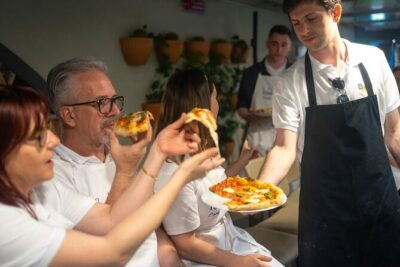
Milan Cooking Class: Authentic Pizza & Gelato Making
Read our review →
Learn to Cook Italian Recipes with an Italian Chef
Read our review →
Cooking Class : Fresh pasta and TIRAMISÙ with Lake Garda wines
Read our review →
Pasta & Tiramisu Cooking Class with Premium Products
Read our review →
Choose three recipes to cook from all the traditional cuisine
Read our review →Browse the lists this tour appears in