
Reviewed · COOKING CLASSES
Milan: Private Cooking Class at a Local’s Home
The best part of this Milan cooking class happens around a family kitchen table. You work beside a Cesarina, a certified home cook, using family recipes and ordinary kitchen tools rather than watching a polished restaurant demonstration. You make three local dishes, then eat them with wines from the area.
I like the private format, especially for couples, families, or friends who want real conversation instead of a large class. I also like the practical souvenir: pasta-making skills, recipe ideas, and small cooking tricks are more useful than another Milan magnet. The main consideration is the price, $164.26 per person, and the fact that you must travel to a private home whose address arrives only after booking.
In This Review
- Key points at a glance
- Cooking in a Milanese home, not a restaurant classroom
- The first hour: learning three family recipes
- Pasta-making and the value of learning by hand
- Sitting down to eat everything you prepared
- A warm host matters as much as the menu
- Timing, meeting details, and planning your day
- Is $164.26 per person a fair price?
- Who should book this Milan cooking class?
- Final verdict: book it for the connection, not just the food
- FAQ
- Where does the Milan cooking class take place?
- How long does the cooking class last?
- How many recipes will I prepare?
- Is pasta-making included?
- What is included in the price?
- Can dietary requirements be accommodated?
- Do I need to book with another person?
Key points at a glance
- Three recipes from a family cookbook: Your Cesarina teaches dishes passed down through her family, with hands-on work at your own station.
- A private home setting: You cook with your own group, giving the class a personal feel and room for questions.
- Pasta-making can be part of the lesson: Sandra’s class, for example, has included making fresh pasta from scratch.
- The meal is part of the class: Sit down afterward and taste all three recipes with local red and white wines, water, and coffee.
- Flexible timing: Classes usually begin at 10 AM or finish by 5 PM, but the organizer can adjust the schedule if you ask in advance.
- At least two people are required: This is not a solo drop-in lesson, and dietary needs should be discussed after booking.
Cooking in a Milanese home, not a restaurant classroom
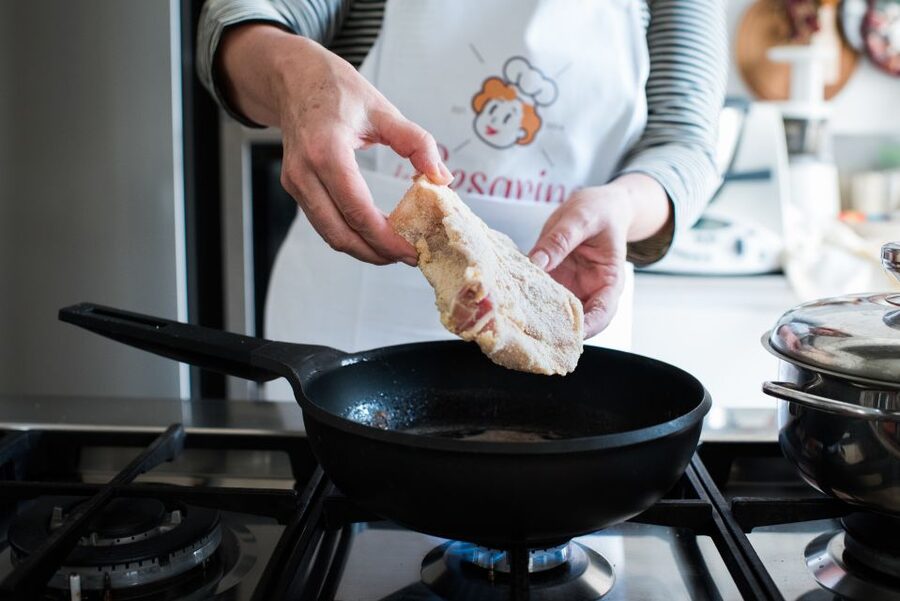
This is a three-hour visit to a local family home in Lombardy, arranged through Cesarine. Your host, called a Cesarina, is a certified home cook who teaches recipes learned through family tradition. The address is kept private until you reserve, then the local partner sends meeting instructions.
That arrangement gives the class its character. You are not simply following a chef through a set menu in a commercial kitchen. You enter a personal space and learn how someone cooks for family and friends. The atmosphere can feel relaxed and conversational, with time to ask why a recipe is made a certain way, how dough should feel, or what small trick keeps a dish from going wrong.
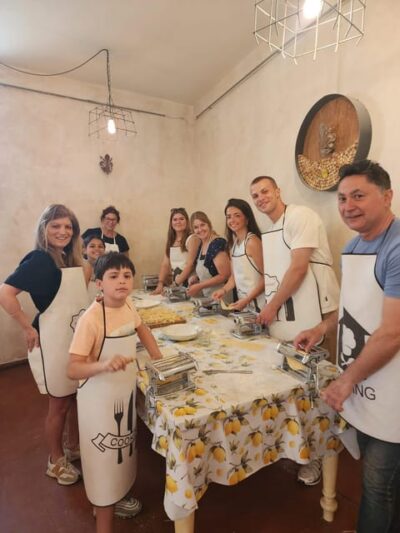
The class is private, so you cook only with your own party. That matters more than it may first appear. In a large group, one person usually mixes, another watches, and a third struggles to hear the instructor. Here, your host can pay attention to your pace and skill level.
Still, a private home is not the same as a cooking school. The address and exact kitchen setup are not provided before booking. If you need a highly standardized professional workspace, this may feel less predictable. If you want a personal encounter and do not mind a little flexibility, that is part of the appeal.
More cooking classes:
- Milan: Pasta and Tiramisu Cooking Class with Wine
★ 4.8 · 1,106 reviews - Milan: Pasta and Tiramisu Small Group Cooking Class with Wine
★ 5.0 · 660 reviews - Milan Cooking Class: Authentic Pizza & Gelato Making
★ 5.0 · 582 reviews
The first hour: learning three family recipes
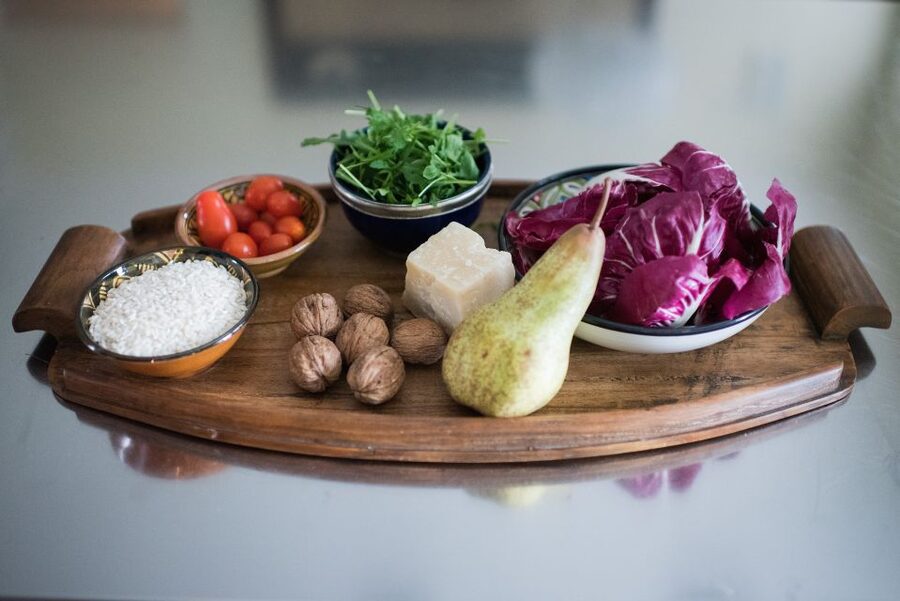
Your Cesarina introduces three authentic local recipes and explains the steps before you begin. The recipes come from family cookbooks and regional cooking traditions, so the lesson focuses on methods you can repeat at home, not just on producing a pretty plate once.
Each participant gets a workstation with utensils and ingredients. You do not need to arrive with special cooking equipment. The class is designed as hands-on work, so expect to measure, mix, shape, and prepare the dishes rather than sit back and take notes.
The menu can vary, which is worth understanding before you book. The purpose is to teach three local recipes, not to guarantee a named menu such as risotto, osso buco, or panettone. Pasta-making has been a memorable part of the lesson for some participants, and it is an especially useful skill because the basic technique can be practiced long after your flight home.
You may also hear about family desserts or baking methods. An apple pie received special praise, though you should not assume it will be on every menu. Ask the organizer about the planned dishes if a particular ingredient or course matters to you.
The teaching style is meant to suit different skill levels. Sandra, one of the hosts associated with this type of class, is described as patient and clear, with recipes that beginners can manage. That is important in a lesson where the goal is confidence, not culinary performance. Your host can show you what the dough should look like, how to handle an ingredient, and where a shortcut would spoil the result.
Pasta-making and the value of learning by hand
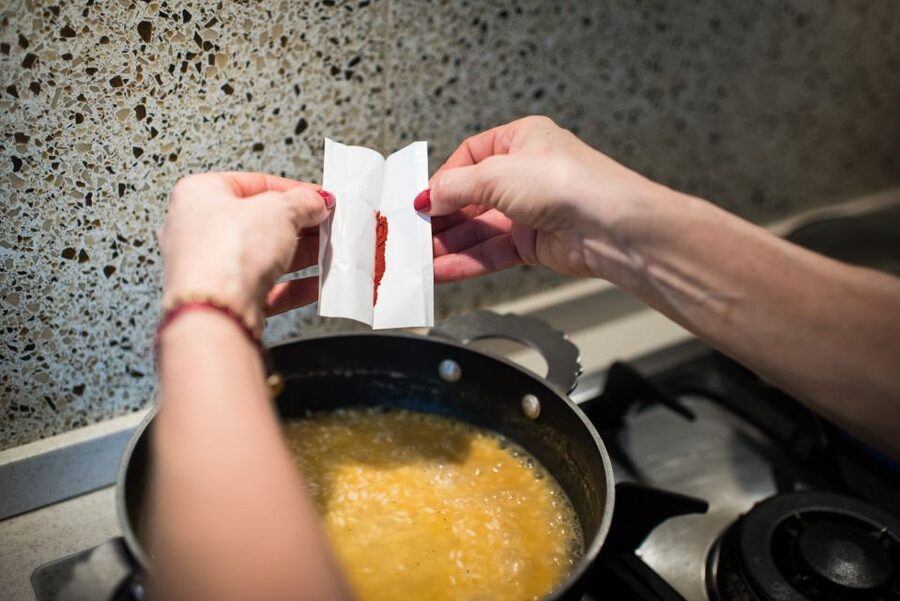
Fresh pasta is often the moment when the class becomes more than a meal. Many people eat handmade pasta in Italy but never see how much feel and judgment go into it. Rolling, shaping, and working the dough gives you a direct sense of the process.
You may find that pasta-making takes more patience than expected. The dough can look simple, but the texture matters, and beginners often need a few tries before it feels natural. That is a benefit of a private lesson: you can ask the same question twice without holding up a room full of strangers.
A good host will also share practical habits that do not always appear in a recipe. You might learn how to judge texture by touch, when to add a little more flour, or how to organize several dishes without losing track of the timing. These small decisions are the real value of the class.
I would not book this solely to collect a list of recipes. You can find recipes online for free. You book it to learn how an Italian cook thinks about food, timing, and serving. The personal instruction turns a written recipe into something you are more likely to try again.
Sitting down to eat everything you prepared
After the cooking, you sit at the table and taste all three dishes. The meal includes local red and white wines, along with water and coffee. This final part is not an afterthought. It lets you see how the recipes work together and gives you time to talk with your host once the work is finished.
The wine service adds value, but it is also a practical point for non-drinkers. Beverages are included, and the selection includes both red and white local wines. If you do not drink alcohol, you still have water and coffee, but ask about your preferences when arranging the class.
Eating your own work changes the meal. You notice the texture of the pasta because you helped make it. You remember the sauce because you watched it come together. The table becomes a natural place to compare what you expected with what you actually produced.
The meal also gives the class a social purpose. You are not rushing to the next sightseeing stop. You have time to connect with the Italian family and to ask about the recipes in a setting that feels more personal than a restaurant table.
A few more Milan trips worth weighing up
- Gnocchi, Pasta, Tiramisù and Wine Class
★ 5.0 · 691 reviews - Milan: Italian Cooking Class with Food and Wine
★ 4.7 · 509 reviews - Milan Culinary Experience: Pasta & Gelato or Tiramisù Class
★ 5.0 · 337 reviews - Small Group Cozy Cooking Class in a Typical Milanese Home.
★ 5.0 · 302 reviews
A warm host matters as much as the menu
The human side of this class is its strongest feature. A host such as Sandra brings more than instructions. She sets the pace, answers questions, and helps you feel comfortable when a recipe does not go perfectly on the first attempt.
The experience is suited to people who enjoy conversation and shared meals. You may spend time with the family, and some homes have pets. One particularly memorable detail is a friendly dog who helped make the visit feel informal and welcoming. That will please many families, though anyone with allergies should ask about the home before booking.
The class also works well for people with little cooking experience. The recipes are intended to be approachable, and the instructor can explain each step. Experienced home cooks may enjoy it for a different reason: you can focus on regional habits, family techniques, and the differences between your usual method and your host’s.
The private format can make the encounter feel intimate. That is a plus if your group wants a personal exchange. It may be less suitable if you prefer meeting a mix of other people from around the world. This is a home visit, not a social cooking party with several unrelated groups.
Timing, meeting details, and planning your day
The listed duration is three hours. Cooking classes usually start at 10 AM and finish by 5 PM, with some flexibility if you make a request ahead of time. Exact starting times depend on availability, so check the schedule before building your Milan day around it.
The activity begins and ends at the local home. You receive the full address only after booking, for privacy reasons, followed by directions from the local partner. Do not assume the meeting point is a central Milan attraction or a hotel. Leave enough time to reach the home once you receive the instructions.
The timing can fit several types of itineraries. A morning class followed by lunch works naturally, although the class itself includes the meal you prepare. An afternoon start may suit you better after a morning at the Duomo or a museum, but confirm the available time before counting on it.
At least two people are needed for the class to take place. That makes it a good choice for couples, families, and small groups, but not for a solo visitor traveling alone. If you are booking for a larger party, confirm the group size and kitchen arrangements with the organizer.
Dietary requirements can be accommodated, but you must confirm them directly after booking. Do this early, especially for allergies, vegetarian diets, or other restrictions. Do not wait until you arrive at the home, since the host needs time to plan ingredients and recipes.
Is $164.26 per person a fair price?
At $164.26 per person, this is not a cheap way to eat lunch in Milan. You could spend far less at a trattoria. The comparison is not quite fair, though, because this price covers a private three-hour lesson, ingredients, three tastings, wine, water, coffee, and local taxes.
The better question is what you value. If you want a quick meal, skip it. If you want a cooking lesson, personal instruction, and a meal shared with a local family, the price can make sense. You are paying for time, attention, and access to a home setting, not only for the food.
The class is also a useful choice for a special occasion. A birthday, anniversary, or family outing benefits from having the kitchen and host focused on your group. The experience feels more personal than a standard group tour, and the skills can continue to pay off when you cook at home.
Value depends on your interest in participation. If you dislike cooking or would rather spend the afternoon sightseeing, you may find the cost hard to justify. If you enjoy food and want an activity with a lasting result, the lesson offers more than a restaurant meal.
Who should book this Milan cooking class?
I would recommend it to couples who want a relaxed shared activity, families with older children who can take part at the workstation, and friends who enjoy eating as much as sightseeing. It also suits first-time cooks because the host can guide you through the techniques.
It is a strong pick for anyone curious about handmade pasta and family cooking. The recipes are approachable, and the lesson is built around doing the work yourself. You do not need professional skills, only a willingness to handle ingredients and learn from mistakes.
Food-focused visitors will get the most from the class, especially those who want a closer look at Lombardy’s home cooking rather than only its famous restaurants. It is also useful for people who want to bring a practical memory home. The recipes and techniques can become part of your regular cooking.
I would hesitate to recommend it to a solo visitor, a person with a tight schedule, or someone seeking a guaranteed menu. The host, recipe selection, and home setting are central to the experience, so some details remain flexible. Ask about dietary needs, timing, and dishes before you finalize the reservation.
Free cancellation is available up to 24 hours before the activity for a full refund, and you can reserve now and pay later. Those terms help if your Milan plans are still shifting, but they do not remove the need to check the meeting instructions and schedule.
Final verdict: book it for the connection, not just the food
Book this class if you want to spend three hours cooking, talking, and eating in a real Italian home. The private setting, family recipes, pasta-making practice, and shared table give the experience a clear sense of place.
The price is high for a meal, but reasonable for private instruction with beverages and ingredients included. Choose it for the personal contact and skills you can use later, not because it is the fastest or least expensive way to taste Lombardy.
If you prefer a fixed menu, a central meeting point, or a large group atmosphere, choose another food activity. If you want a warm host, a small private group, and a hands-on memory of Milan, this is a very good fit.
FAQ
Where does the Milan cooking class take place?
The class takes place in a local family’s home in Lombardy. For privacy, the full address is provided after booking, and the local partner sends meeting instructions.
How long does the cooking class last?
The activity lasts three hours. Classes usually begin at 10 AM and finish by 5 PM, but the timing can be flexible if you contact the organizer in advance.
How many recipes will I prepare?
You will learn and prepare three authentic local recipes during the class. The exact dishes may vary.
Is pasta-making included?
Pasta-making has been part of the lesson, but the exact menu is not guaranteed. Ask the organizer about the planned recipes if making pasta is especially important to you.
What is included in the price?
The price includes the private cooking class, tastings of the three recipes, water, local red and white wines, coffee, and local taxes.
Can dietary requirements be accommodated?
Different dietary requirements can be catered for. You should confirm your needs directly with the service organizer after booking.
Do I need to book with another person?
Yes. At least two people are required for the activity to take place, and the class is offered as a private group experience.
Just added around Milan
- Milan: Food Tour with Pasta, Pizza, Cannoli, and Tiramisu!★ 4.3 · 3 reviews
- Varenna Walking Tour and Cooking Class★ 5.0 · 3 reviews
- 1-Day Personal Fashion Styling Course for Women★ 5.0 · 3 reviews
- Milan: 4-Hour Art and History Private Walking Tour★ 5.0 · 3 reviews
- Private Wine Tasting in Bellagio with Chef Luigi Gandola★ 5.0 · 3 reviews
- Walking Tour in Lake Como with Lierna Cooking Class★ 5.0 · 3 reviews
- Mantova: Private Walking Tour★ 4.3 · 3 reviews
- Wine and Food tasting PRIVATE Guided Tour★ 5.0 · 3 reviews
Cooking Classes, compared.
Pasta and Tiramisu Small Group Cooking Class with Wine
Read our review →
Milan Cooking Class: Authentic Pizza & Gelato Making
Read our review →
Learn to Cook Italian Recipes with an Italian Chef
Read our review →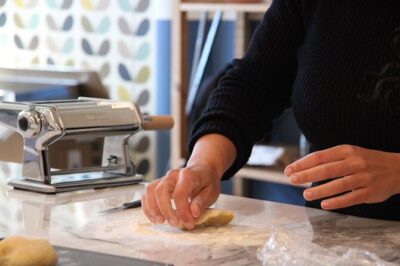
Cooking Class : Fresh pasta and TIRAMISÙ with Lake Garda wines
Read our review →
Pasta & Tiramisu Cooking Class with Premium Products
Read our review →
Choose three recipes to cook from all the traditional cuisine
Read our review →Browse the lists this tour appears in