
Reviewed · MUSEUMS
Milan: Natural History Museum Entry Ticket & Audio Guide
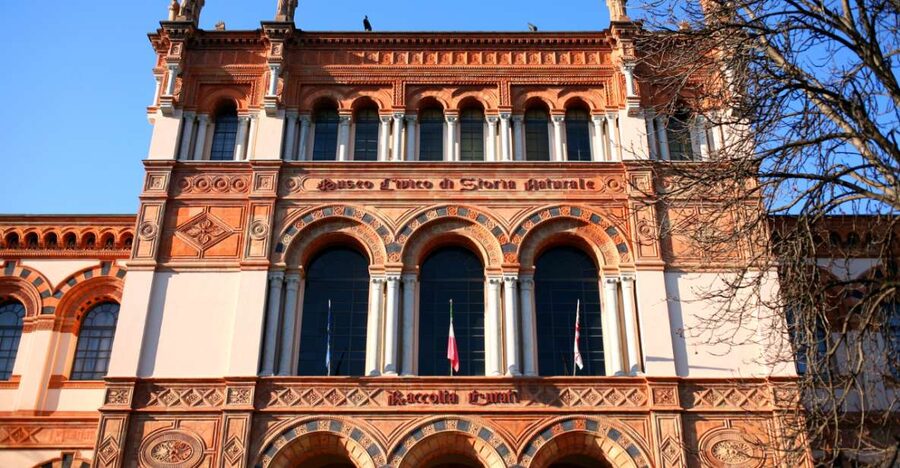
Milan’s Natural History Museum offers a welcome change from the city’s famous churches and fashion streets. Inside the historic building, you’ll find fossils, minerals, animal specimens, plants, and stories about how life on Earth has changed. The 40-plus audio stops and digital map give you a clear route without tying you to a group.
I like the freedom of a self-guided visit, especially when you want to pause at a specimen or move quickly through a section. I also like the location inside Indro Montanelli Gardens, where you can pair the museum with an easy stroll through one of central Milan’s public parks.
The main caution is the booking value and digital setup. A direct museum ticket has reportedly cost about €5 at times, while this experience is listed at $12, and you need a charged phone, headphones, and a working QR-code download. Check the price difference before paying.
In This Review
- Key points to know before you go
- What you are really buying for $12
- Arriving at Corso Venezia 55
- The museum building and garden setting
- A two-hour route through natural history
- How the smartphone audio guide works
- Who will enjoy this museum most
- Accessibility, timing, and practical details
- How this compares with a live museum tour
- Booking advice for the best value
- Should you book Milan’s Natural History Museum audio tour?
- FAQ
- Where is Milan’s Natural History Museum located?
- How long does the museum experience take?
- Is a guided tour included?
- Which languages are available for the audio guide?
- How many audio stops are included?
- What subjects does the museum cover?
- What should I bring?
- How do I enter the museum?
- Is the experience wheelchair accessible?
Key points to know before you go
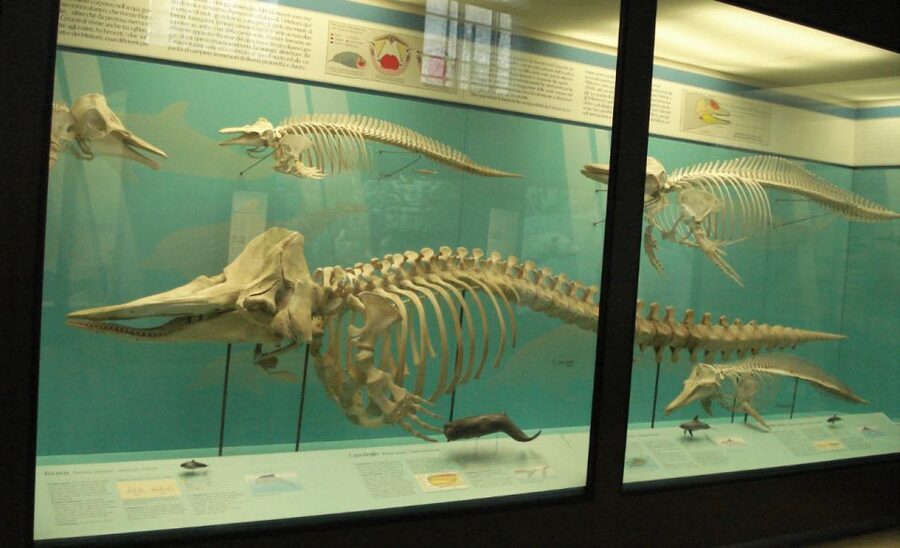
- Over 40 audio points: Use the digital map to choose your route through paleontology, mineralogy, zoology, and botany.
- A calm central setting: The museum sits at Corso Venezia 55, inside Indro Montanelli Gardens.
- About two hours: The suggested duration works well for a focused visit rather than a whole-day museum outing.
- Four listed languages: The audio guide is available in English, Italian, French, and German, with German specifically noted as becoming available from April 15.
- No live guide: You explore at your own pace, but there is no person leading the visit or answering questions in the galleries.
- Bring your own headphones: They are not included, and your phone should be fully charged before arrival.
What you are really buying for $12
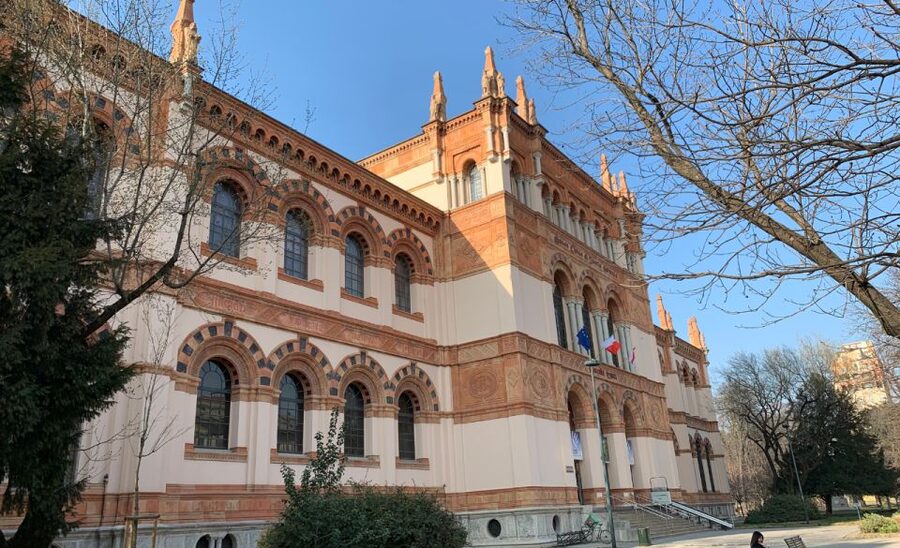
At $12 per person, this is a modestly priced museum activity by Milan standards, but it is not automatically the cheapest way inside. The value comes from the audio content and the convenience of a mobile ticket, not simply from admission.
A direct booking may sometimes be cheaper. One booking experience reported paying more than double the museum’s own €5 price, with no discount applied through the outside booking channel. Prices can change, so I would compare the current museum rate before you commit. If the difference is only a few euros, the audio guide and skip-the-ticket-line feature may justify it. If you are visiting with several people, the gap adds up quickly.
The audio guide is most useful if you like context while you look. A museum full of bones, rocks, preserved animals, and botanical material can otherwise feel like a collection of unrelated cases. The commentary links objects to evolution, past epochs, scientific study, and conservation.
Still, this is not a private tour. You are paying for admission plus a digital narration, not for a guide who adapts to your interests. If you already know natural history well, or prefer to read labels at your own pace, the extra cost may be less attractive.
A few more Milan trips worth weighing up
- Milan: Leonardo3 The World of Leonardo Museum Entry Ticket
★ 4.4 · 3,241 reviews - Milan: La Scala Theater & Museum Guided Experience
★ 4.1 · 2,931 reviews - Milan: La Scala Theater and Museum Tour with Entry Tickets
★ 4.7 · 1,722 reviews
Arriving at Corso Venezia 55
You go directly to the Natural History Museum at Indro Montanelli Gardens, Corso Venezia 55. There is no separate meeting point in a hotel, square, or tour office. That makes the arrival simple, but it also means you need to be comfortable finding the museum entrance yourself.
Your e-ticket is sent for download through WhatsApp within 24 hours of your travel date. Show the ticket on your phone to the staff at the venue. The experience includes skip-the-ticket-line entry, which can save time when the entrance is busy, though it does not remove the need to follow the museum’s entry procedure.
The digital side needs a little care. Scan the QR code on your voucher before arrival to download the audio guide. Do this while you have a reliable connection, and check that the audio opens correctly. Bring headphones, since they are not supplied, and charge your phone fully.
There was one especially serious technical complaint involving unclear instructions and an audio-guide link that appeared unsafe, followed by an incorrect link leading to the Natural History Museum in London. I would not click a strange address. Use the QR code supplied with your voucher, confirm that it identifies Milan’s museum, and ask venue staff for help if anything looks wrong.
The museum building and garden setting
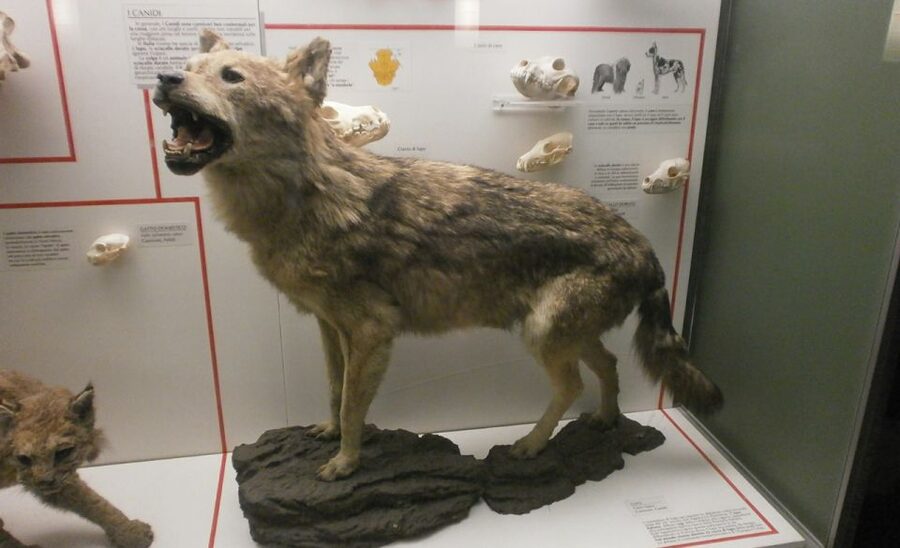
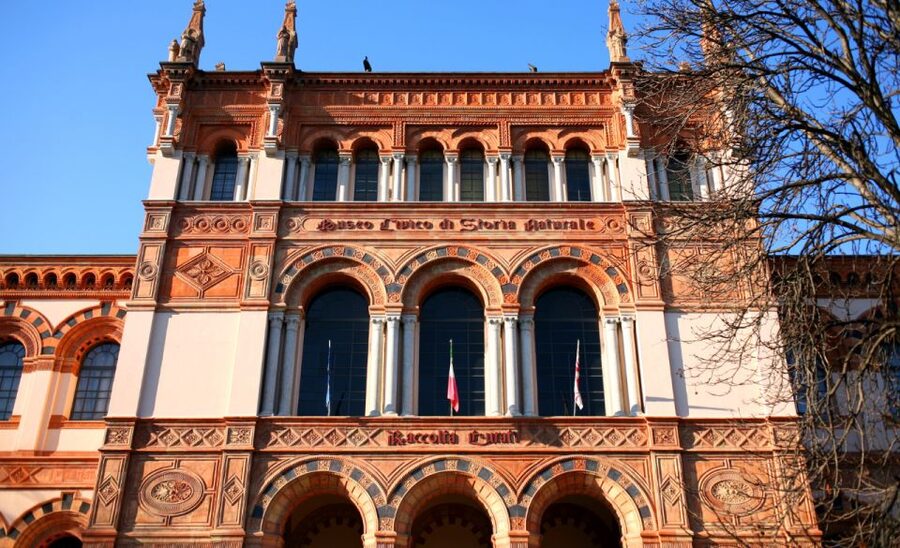
Before you focus on the displays, take a moment to notice the building itself. The museum is housed in a historic 19th-century structure, and the architecture is part of the experience. The setting gives the visit a quieter rhythm than Milan’s busiest central sights.
The museum’s position in Indro Montanelli Gardens is also useful for planning. You can visit the galleries, then step outside for a break among the public gardens. The surrounding greenery gives children and restless companions room to move, although the ticket covers the museum rather than food, drinks, or any separate garden service.
The building’s age may appeal to you if you enjoy museums where the setting has character. It may feel less polished than a newly designed science center. One short assessment described the museum as vergane glorie, or faded glory. That is worth keeping in mind: you should come for the collections and subject matter, not expect a modern interactive attraction at every turn.
A two-hour route through natural history

There is no live guide setting a fixed order, so you can use the digital map to plan your own path. The audio guide has more than 40 points of interest, giving you plenty of short stops without forcing you to listen to every item.
A sensible visit begins with the museum’s general story and building. The audio content covers its foundation in the 19th century and its role in studying the natural world. This opening context helps explain why the displays bring together such different subjects, from fossils to plants.
From there, you can move into paleontology, where the focus is on fossils and life from earlier periods. Fossils are more than old bones in glass cases. They provide evidence of creatures and environments that no longer exist, and the audio commentary is intended to explain the evolutionary stories behind important specimens.
The mineralogy section changes the pace. Here you look at mineral formations and the forces that shape the planet’s solid materials. This is a good part of the museum to take slowly, since shape, color, and structure matter as much as the written explanation.
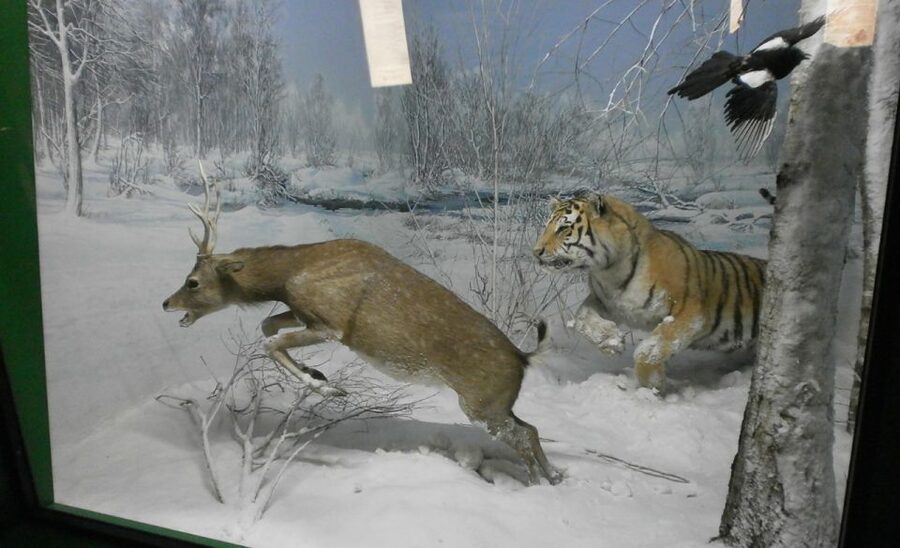
The zoology displays shift attention to the variety of animal life. You can use the audio points to connect individual specimens with larger ideas about adaptation and biodiversity. If you are visiting with children, this section may provide the most immediate visual interest, though the supplied information does not promise hands-on activities or special children’s programming.
The botany material adds plants to the picture. It is easy to think of natural history as mostly dinosaurs and animals, but plants are central to any account of life on Earth. The guide places the collections within a wider scientific story, including the importance of conservation.
Do not rush through the final audio points simply because you have seen the major collection areas. The conservation material gives the visit present-day relevance. It links the museum’s older specimens and scientific work to the need to protect living species and habitats now.
Two hours is a reasonable target if you listen selectively and keep moving. If you pause at every audio point, read every label, and spend time in the gardens, you may want longer. If you have only a short gap between Milan sights, you can choose the sections that interest you most.
A different sort of day out, same corner of Lombardy:
- Milan: Cathedral and Duomo’s Terraces Entrance Ticket
★ 4.6 · 61,054 reviews - From Milan: Como & Bellagio with Private Lake Como Cruise
★ 4.6 · 9,788 reviews - Milan: City Sightseeing Hop-On Hop-Off Bus with Audio Guide
★ 4.0 · 6,256 reviews - Milan Cathedral: Duomo Terraces Ticket (No Church Access)
★ 4.6 · 6,111 reviews
How the smartphone audio guide works
The attraction of this format is control. You can stop the narration, replay a point, skip a case, or move on when your attention fades. There is no group waiting for you, and no live guide setting the pace.
The digital map should help you find the audio points across the museum halls. That matters in a collection with several scientific fields, since you can otherwise lose time wandering between sections. The map is also helpful if you arrive with a clear priority, such as fossils or minerals.
The tradeoff is that your phone becomes both ticket and guide. A low battery, weak connection, missing headphones, or a failed download can spoil the smoothness of the visit. Download the guide before entering, not when you are already standing at the first case.
The listed audio languages are English, Italian, French, and German. The information provided specifies that German will also be available from April 15, so if German is important to you, confirm that the date of your visit falls after that release and that the language appears in the app.
Because there is no live guide, the experience suits independent visitors. You should not expect someone to answer a follow-up question, change the route for your family, or explain a display that catches your eye but is not covered by an audio point.
Who will enjoy this museum most
I would recommend this visit to you if you want a quiet indoor activity in central Milan and enjoy learning in small pieces. The two-hour length works well for a rainy afternoon, a family break, or a pause between major sightseeing stops.
It is also a good choice for anyone who prefers to avoid a fixed group schedule. You can arrive during an available starting time, choose your own order, and spend more time on the displays that hold your attention.
Families may appreciate the variety. Fossils and animals provide an immediate hook, while minerals, plants, and conservation broaden the visit. Keep in mind that the experience is an audio-guided museum visit, not a dedicated children’s tour.
The museum may be less satisfying if you want a high-tech science center, a polished modern design, or a live expert guide. The building has historic character, but one description of it as faded glory suggests that some areas may feel old-fashioned rather than freshly designed.
It is also not the best match if you want Milan’s headline sights. The museum is respected for natural history, but it does not replace the Duomo, La Scala, or the city’s art museums. Think of it as a change of subject, not a substitute for Milan’s major cultural stops.
Accessibility, timing, and practical details
The experience is listed as wheelchair accessible. If accessibility is essential to your visit, you should still confirm current access arrangements with the venue when booking, since the supplied information does not explain lifts, gallery routes, or restroom details.
The stated duration is two hours, and you should check available starting times before booking. This is a timed activity in practical terms, even though the audio route itself is self-guided.
Food and drinks are not included. Plan to eat before or after the museum, or use the surrounding garden setting for a break if local rules and conditions allow. Do not count on buying refreshments as part of the ticket.
Free cancellation is available up to 24 hours before the visit for a full refund. That gives you useful flexibility if your Milan schedule changes, but it does not solve a same-day problem, so keep the cancellation deadline in mind.
How this compares with a live museum tour
A live tour gives you a person to follow and question. This ticket gives you privacy, flexibility, and a set of prepared audio explanations. Neither format is automatically better.
I prefer the audio option when I want to avoid a group and keep the visit short. The ability to skip sections is valuable, particularly if you are combining the museum with other plans.
I would choose a live guide if the scientific subjects are a major interest and I want discussion. The supplied experience does not include a guided tour, so there is no personal interpretation beyond the recorded audio points.
The mobile format also makes the booking experience more important. With a live guide, a staff member usually helps you get started. Here, you need to handle the voucher, QR code, app download, phone battery, and headphones yourself.
Booking advice for the best value
Before booking, compare the $12 price with the museum’s current direct admission rate. The reported €5 direct price may not apply on every date, but it is enough reason to check. If the official ticket does not include an audio guide, calculate what convenience and commentary are worth to you.
I would book this version when the skip-line benefit matters, when you want an English, French, Italian, or German explanation, or when you prefer a ready-made route. I would look for a direct ticket when the price gap is large and you are happy reading displays without recorded commentary.
Use a charged smartphone and personal headphones. Download the guide from the voucher QR code before you leave for the museum, and do not use any suspicious link that does not clearly identify the Milan venue.
The provider is Vox City International. Since the visit is self-guided, the most important service details are the ticket delivery, QR code, language availability, and instructions for entry.
Should you book Milan’s Natural History Museum audio tour?
Book it if you want a calm, flexible two-hour museum visit with fossils, minerals, animals, plants, and conservation themes in one historic setting. The audio map adds useful structure, and the location in Indro Montanelli Gardens makes this an easy addition to a central Milan day.
Skip it if you are watching every euro and the direct museum ticket is much cheaper, or if you want a live guide and a modern hands-on science center. For the best chance of a smooth visit, confirm the current price, download the audio guide in advance, and bring your own headphones.
FAQ
Where is Milan’s Natural History Museum located?
It is at Indro Montanelli Gardens, Corso Venezia 55, in Milan.
How long does the museum experience take?
The stated duration is two hours. You can spend more or less time depending on how many audio points and displays you visit.
Is a guided tour included?
No. The experience is self-guided and includes a digital audio guide rather than a live guide.
Which languages are available for the audio guide?
The listed languages are English, Italian, French, and German. German is specifically noted as becoming available from April 15.
How many audio stops are included?
The audio guide includes more than 40 points of interest, supported by a digital map.
What subjects does the museum cover?
The collections and audio content cover paleontology, mineralogy, zoology, and botany. The commentary also addresses evolution, fossils, conservation, and the museum’s 19th-century foundation.
What should I bring?
Bring headphones and a charged smartphone. Headphones are not included.
How do I enter the museum?
Download the e-ticket sent through WhatsApp within 24 hours of your travel date, then show the ticket on your mobile device to the venue staff. You should also scan the voucher QR code to download the audio guide before arrival.
Is the experience wheelchair accessible?
Yes. The activity is listed as wheelchair accessible.
More Audio Tours in Milan
- Pinacoteca Ambrosiana audioguide
★ 4.2 · 32 reviews - Mantova Walking Tour with Audio and Written Guide by a Local
★ 5.0 · 26 reviews - Como: Digital Audioguide made with a Local for your Tour
★ 4.5 · 16 reviews - Milano Walking Tour with Audio and Written Guide by a Local
★ 4.5 · 13 reviews
More Self-Guided Tours in Milan
- Milan: Sforza Castle Entry Ticket with Digital Audio Guide
★ 4.0 · 2,675 reviews - Milan: Museum of the 900 Entry Ticket with Audio Guide
★ 4.4 · 72 reviews - Brescia Walking Tour with Audio and Written Guide by a Local
★ 4.5 · 44 reviews - Como Walking Tour with Audio and Written Guide by a Local
★ 4.5 · 30 reviews
Just added around Milan
- Milan: Food Tour with Pasta, Pizza, Cannoli, and Tiramisu!★ 4.3 · 3 reviews
- Varenna Walking Tour and Cooking Class★ 5.0 · 3 reviews
- 1-Day Personal Fashion Styling Course for Women★ 5.0 · 3 reviews
- Milan: 4-Hour Art and History Private Walking Tour★ 5.0 · 3 reviews
- Private Wine Tasting in Bellagio with Chef Luigi Gandola★ 5.0 · 3 reviews
- Walking Tour in Lake Como with Lierna Cooking Class★ 5.0 · 3 reviews
- Mantova: Private Walking Tour★ 4.3 · 3 reviews
- Wine and Food tasting PRIVATE Guided Tour★ 5.0 · 3 reviews
Museums, compared.
Leonardo3 The World of Leonardo Museum Entry Ticket
Read our review →
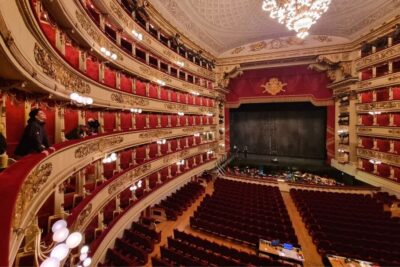
La Scala Theater and Museum Tour with Entry Tickets
Read our review →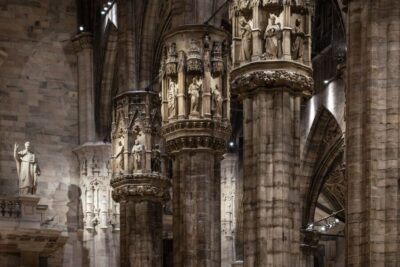
Cathedral, Archeological Area and Museum Ticket
Read our review →
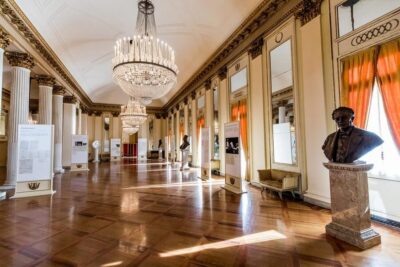
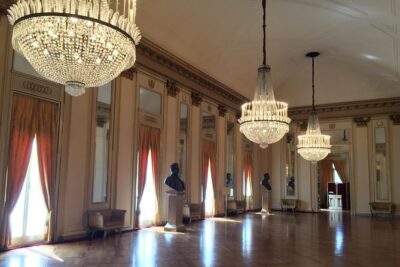
Browse the lists this tour appears in